You probably picture a great white shark or a massive orca when you think of ocean threats. But the most dangerous sea creatures aren’t always the big ones. They are often small. Innocent-looking. Packed with lethal venom.
The reality is quiet. Sea creatures don’t kill masses of humans. Box jellyfish claim about 20 to 40 lives yearly. Sharks take 10 to 20. Compare that to mosquitoes. They cause over a million deaths annually. Snakes kill more than 50,000 people each year.
The numbers are small for the ocean’s apex predators. But the pain is severe. The risk of hospitalization is real. If you see any creature on this list, leave the water. Immediately.
Venom shuts down the body. It targets the nervous system. It stops the heart. It paralyzes muscles. Marine animals use it for two reasons. To kill prey quickly. To defend themselves from larger predators.
1. The Box Jellyfish
This isn’t your typical jellyfish. It doesn’t drift aimlessly in a translucent blob. The box jellyfish has a cube-shaped body. It moves with purpose. And its sting is among the most painful known to science.
Its tentacles are covered in millions of microscopic harpoons called nematocysts. When they touch skin, these harpoons fire. They inject a cocktail of toxins. The effects are almost instant. Severe pain. Rapid swelling. Skin death. In severe cases, cardiac arrest.
Where does this happen? Australia. The Philippines. Vietnam. Japan. And parts of the Indian Ocean. These are the hotspots for box jellyfish encounters.
Why is it so dangerous? It doesn’t hide. It swims. It hunts in shallow waters. You can step right into its path. Unlike other jellyfish that might sting if you brush against them, the box jellyfish attacks. Or at least, its sting is so potent that contact with even a detached tentacle can be fatal.
There is no known antidote. Vinegar helps stop unfired stinging cells. But once the venom is in, time is the enemy. Doctors rush to save the heart. They manage pain. They wait.
It’s a stark reminder. The ocean holds power you can’t see. You can’t punch it. You can’t outrun its sting once it lands. Respect the water. Watch your step.
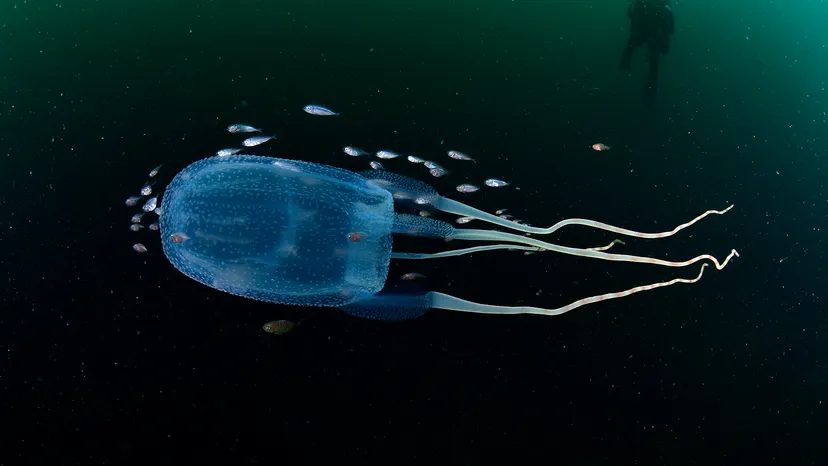

Pale blue. Transparent. Shaped like a floating cube.
Box jellyfish are mesmerizing to watch. They drift through warm waters like alien lanterns. But that beauty is a trap. Their tentacles can stretch up to 10 feet. That is three meters of lethal geometry. Every inch is covered in microscopic darts. These nematocysts inject venom that moves fast. Paralysis hits in minutes. Then comes cardiac arrest. Then death.
The worst among them is Chironex fleckeri. Known as the Australian box jellyfish, it is the largest and deadliest species in the group. One sting can kill a human in less than three minutes. It is not just pain. It is a systemic shutdown. The venom attacks the heart, the nerves, and the skin cells all at once. Survivors often bear keloid scars for life. The ocean looks inviting. The water hides a trap.
The Irukandji Jellyfish: Smaller, But Worse?
If Chironex is the brute force of the sea, the Irukandji is the silent assassin.
Discovered relatively recently by scientists, the Irukandji jellyfish is tiny. Often no bigger than a fingernail. You cannot see it coming. It slips past standard netting. It slips past your skin. And its venom does not kill you quickly. It breaks you slowly.
Stings from Irukandji jellyfish cause “Irukandji syndrome.” This is not a simple burn. It is a neurological and cardiovascular nightmare. Victims describe feeling like they are being tortured. The pain is often compared to having their skin ripped off or their bones crushed. Headaches become blinding. Vomiting sets in. Blood pressure spikes to dangerous levels. Anxiety turns to panic. Some victims report feeling an overwhelming sense of doom.
Unlike the box jellyfish, which kills through immediate heart failure, Irukandji venom triggers a massive release of adrenaline. It floods the body’s systems. The heart races. The lungs struggle. In rare cases, fluid builds up in the lungs. Pulmonary edema can be fatal if not treated in an ICU with the right medications.
Why Size Doesn’t Matter in the Water
We tend to fear what we can see. The massive Chironex is obvious. Its tentacles are visible from a distance. Swimmers avoid it. Life guards warn about it. The Irukandji is invisible. It is smaller than a thumbnail. It drifts in clear, calm water. It does not need to be big to be deadly.
This distinction matters. When you hear about jellyfish stings, you might assume only the large, visible species are dangerous. The Irukandji proves otherwise. It forces a change in how we protect ourselves. Standard stinger suits often have mesh holes too large for Irukandji larvae to be blocked. Specialized suits are required. The beach warnings change from “avoid the water” to “wear full protective gear.”
The Real-World Impact
Why do these creatures matter beyond the horror stories? They drive medical research.
Scientists are studying box jellyfish venom because it contains unique proteins. These proteins help deliver the toxin, but they also reveal how cells communicate and how muscles contract. Understanding this mechanism could lead to new treatments for
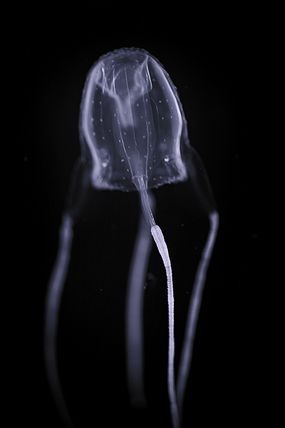

At first glance, the Irukandji jellyfish looks like harmless plankton. Adults are barely the size of a thumbnail. They drift through Australian coastal waters, almost invisible to the casual swimmer. This small size is exactly why they earned the nickname “invisible killer.” You rarely see them coming.
The danger lies in the delay. Your initial sting often feels like a minor mosquito bite or a mild brush against seaweed. It seems trivial. But wait. Thirty minutes to an hour later, the toxins hit. This triggers Irukandji syndrome.
It is not a joke. The symptoms are severe. Patients report intense cramping, burning pain, nausea, and vomiting. In worst-case scenarios, high blood pressure can cause brain hemorrhages. It is a medical emergency disguised as a mild irritation.
To avoid this nightmare, you have to read the weather. These jellies thrive in warm, calm waters. Their populations explode after storms or during specific seasonal shifts. Checking local forecasts before hitting the water is your best defense. If the conditions are right, stay out.
3. Blue-ringed Octopus
While the jellyfish hides in the water column, the blue-ringed octopus waits on the ocean floor. It is another Australian nightmare, but its mechanism is different. This small cephalopod is no bigger than a golf ball. It looks cute. It acts curious.
It carries tetrodotoxin, a nerve poison stronger than cyanide. A single bite can paralyze your diaphragm. You stay awake while you suffocate. There is no antivenom. The only treatment is artificial respiration until the toxin clears your system.
Like the Irukandji, avoidance is the only strategy. Do not touch unfamiliar marine life. The blue-ringed octopus changes color rapidly when threatened, flashing those distinctive blue rings. If you see the colors, step back. The beauty is a warning.
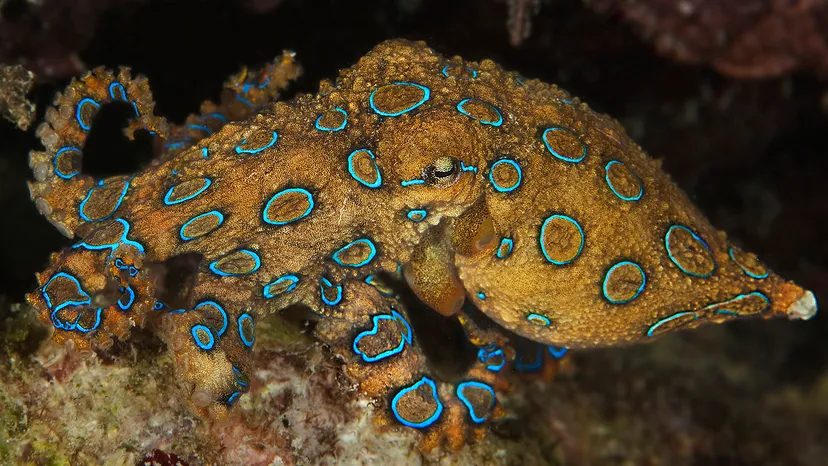
It looks like a psychedelic party prop. The blue-ringed octopus is bright yellow, covered in spots that flare into electric blue when it feels threatened. Think of it as a biological warning light. Most of these creatures are smaller than your hand. They hide in tide pools and reefs across the Indo-Pacific.
Underneath that cute exterior lies one of the most potent poisons in the ocean.
The Chemistry of a Fatal Bite
The danger comes from a neurotoxin called tetrodotoxin (TTX). It’s the same chemical found in pufferfish, but the blue-ringed octopus packs it differently. The toxin blocks sodium channels in nerve cells. Your nerves stop sending signals. Your muscles freeze.
The result is respiratory paralysis. You can’t breathe. Then your heart stops.
Here is where it gets truly terrifying. There is no antivenom. If you get bitten, modern medicine can’t neutralize the poison. Doctors can keep you alive with a ventilator and CPR until the toxin metabolizes out of your system. It takes days. If you can’t get to a hospital fast enough, you die.
Why This Matters Now
We often think of venomous animals as distant threats. You don’t find blue-ringed octopuses in your bathtub. But with coastal development and aquarium keeping, human-octopus encounters are rising. People touch them because they look harmless. They don’t realize that a single drop of venom is enough to kill an adult human within minutes.
The real lesson here isn’t just fear. It’s about respecting limits. We have technology to map genomes and land on Mars. Yet we still lack a cure for this tiny crustacean’s bite. It’s a humbling reminder that nature still holds cards we haven’t figured out how to play.
4. Stonefish
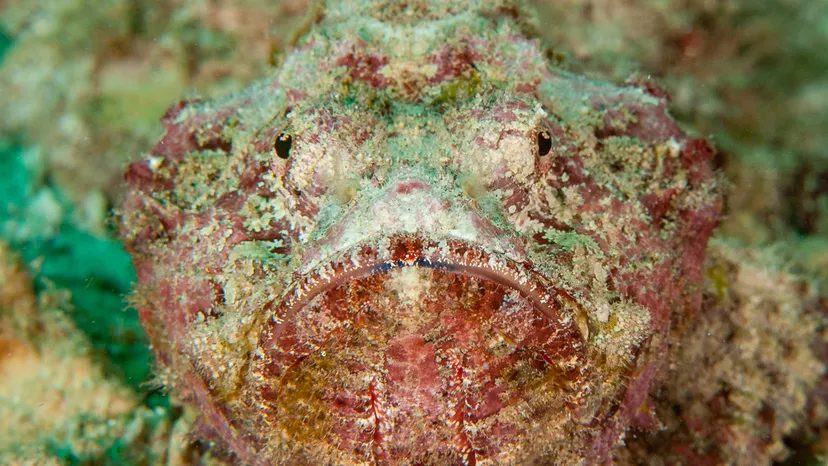
Guinness World Records officially crowned the stonefish the most venomous fish on Earth. You won’t find them swimming in open water. They hang out in the Indo-Pacific region, buried in the sand or resting on coral reefs. They are bottom-dwellers.
Don’t mistake their stillness for aggression. They aren’t hunting you. The stonefish relies on camouflage. Its skin looks like a lumpy rock. It blends into the seabed so well that most people never see it until it’s too late.
The danger is tactile. If you step on one with bare feet, the fish reacts instantly. It erects its dorsal spines. These needles are hollow and connected to venom sacs. The injection delivers a lethal dose. The pain is immediate. The consequences can be fatal without treatment.
5. Cone Snails
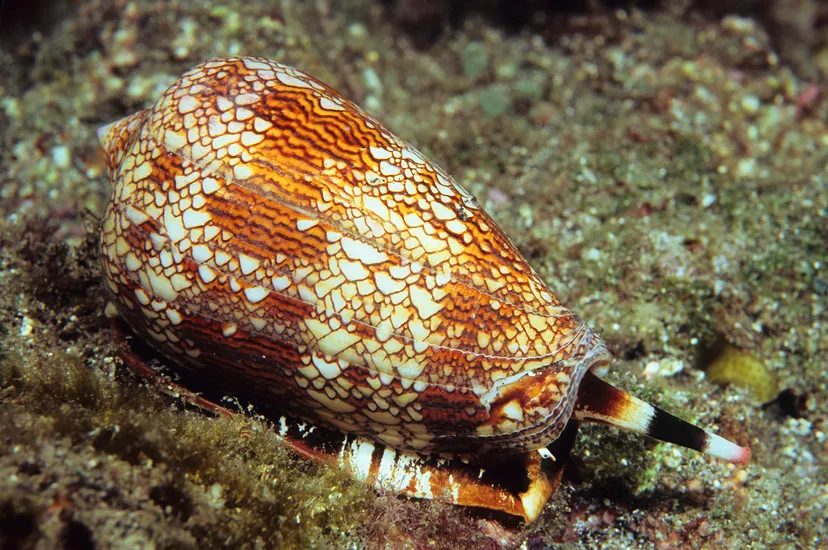
Moving from the ocean floor to the water column, we encounter the cone snail. This gastropod is no larger than a human thumb, but it packs a punch that rivals the stonefish’s spines.
Cone snails are predators. They hunt worms, fish, and even other snails. They do this using a harpoon-like tooth called a radula. This tooth shoots out like a barb. It injects a complex cocktail of toxins known as conotoxins.
The venom targets the nervous system. It paralyzes prey almost instantly. For humans, the sting is not just painful. It is dangerous. Some species produce enough toxin to kill a human in minutes.
The scientific community is fascinated by these snails. Their venom contains thousands of different chemical compounds. Researchers are studying these compounds for potential medical uses. Pain management is a major area of interest. Conotoxins are highly specific. They can target certain nerve receptors without affecting others. This specificity makes them valuable for developing new drugs.
But the immediate threat remains. Divers must watch their step. Cone snails often bury themselves in the sand with only their siphon exposed. They look like small, colorful shells. A curious diver might pick one up. That mistake can be costly.
The cone snail’s strategy is chemical precision. It doesn’t need size to be dangerous. It needs the right molecule at the right time. This balance of beauty and lethality defines its place in the marine food web.
“The venom of a cone snail is a complex cocktail of chemicals that can paralyze prey and hold potential for treating chronic pain.”
While the stonefish weaponizes its body, the cone snail weaponizes its chemistry. Both represent extreme adaptations to survival. One hides in plain sight. The other hides in plain sight and strikes from a distance.
The Indo-Pacific waters are rich with these hidden dangers. Stonefish and cone snails are just two examples of how evolution crafts lethal tools for small creatures. They remind us that the ocean floor is not just a landscape. It is a battlefield.
Human curiosity often leads people closer to these creatures than they should be. A look. A touch. A step. The consequences are written in pain.
The study of these venoms continues to yield new insights. But the immediate lesson is caution. Respect the camouflage. Respect the small things.
The line between a beautiful shell and a deadly weapon is thinner than you think.

The Hidden Lethality Of Hydrophiinae
We usually think of snakes as land-dwellers, coiled in dry grass or hiding under logs. But there is a group of reptiles that have fully embraced the sea, evolving into some of the most venomous animals on the planet. Beaked sea snakes, belonging to the subfamily Hydrophiinae, are not just adapted to saltwater—they are predators that have turned the ocean floor into their personal hunting ground.
These creatures are often mistaken for their less dangerous cousins, the banded sea kraits. The confusion is understandable. Both look sleek, both swim with that distinctive undulating motion, and both carry venom potent enough to stop your heart. But there is a key difference that changes how you should view them if you ever find yourself snorkeling in the wrong place.
How They Hunt And Why You Should Avoid Them
Unlike sea kraits, which spend most of their time on land and only come to water to feed, true beaked sea snakes spend their entire lives in the ocean. They don’t need to return to shore to lay eggs. They are viviparous, giving birth to live young in the water. This evolutionary shift means they are always close to their prey.
Their venom is a neurotoxic cocktail designed to immobilize fish and other marine life quickly. One bite can cause paralysis, respiratory failure, and death in humans. It is fast-acting. It is severe.
“Most people don’t even feel the bite immediately. The pain is minimal, which is terrifying because it means you won’t know you’ve been poisoned until it’s too late.”
Where To Find Them And How To Stay Safe
Beaked sea snakes are primarily found in the warm waters of the Indian and Pacific Oceans. You might spot them in the shallow reefs of Indonesia, the Philippines, or parts of northern Australia. They are bottom-dwellers, often hiding in crevices or under coral heads during the day.
If you are diving or snorkeling in these regions, the risk of an encounter is low. These snakes are shy. They will usually swim away if given the chance. However, they are easily startled. The danger often arises when a diver accidentally steps on a reef slope where a snake is resting, or when a fisherman accidentally pulls them into a net.
Unlike cone snails, which have those harpoon-like teeth and can kill with a single prick, sea snakes have smaller fangs. But do not let that small detail fool you. The venom output is significant. There is no antivenom widely available in remote areas where these snakes are common, making prevention the only real defense.
Which Snakes Are Actually Dangerous To Swimmers?
When people ask about marine venom, they often lump all sea snakes together. This is a mistake. The banded sea krait (Laticauda colubrina) is venomous but docile and spends most of its time on land. The true beaked sea snakes (genus Aipysurus and Hydrophis ) are more aggressive in their defense and more likely to be encountered during underwater activities.
The key is recognition. Beaked sea snakes lack the distinct dorsal keel that sea kraits have. Their tails are paddle-like
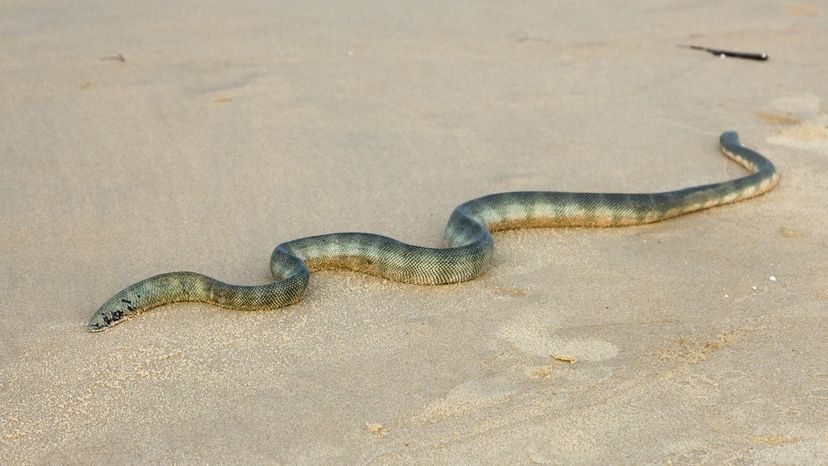
Sea snake venom hits with a force that makes cobra venom look like a mild sting. We are talking about potency that is ten times higher. It is not just strong; it is chemically aggressive in a way that few land predators can match.
The beaked sea snake stands out in this lethal group. It is one of the rare sea snakes that actually attacks rather than flees. This aggression has a cost. It accounts for about 90 percent of human deaths caused by sea snake bites. If you encounter one, the risk is not theoretical. It is immediate.
7. Puffer Fish
While sea snakes dominate the open water with neurotoxins, the puffer fish controls its defense through a different mechanism. The threat here is tetrodotoxin. This poison is found in the fish’s organs, skin, and sometimes its muscle if not prepared correctly.
Humans do not have natural immunity to tetrodotoxin. It blocks sodium channels in nerve cells. Without those channels firing, muscles stop working. Breathing stops. The heart follows. There is no known antidote.
The irony is culinary. In Japan, fugu is a delicacy. Chefs undergo years of training to remove the toxic parts. One mistake is fatal. This is why the question of “how safe is puffer fish” remains so loaded. It is not just about taste. It is about survival.
Other animals use toxins for hunting. The blue-ringed octopus delivers a similar neurotoxin. But the puffer fish accumulates it from its diet. Bacteria produce the toxin. The fish eats them. It stores it. This bioaccumulation means the danger is always there, waiting in the wrong cut.
Tetrodotoxin has no antidote. It simply turns off your nervous system.
The comparison between sea snake and puffer fish venom highlights two different evolutionary paths. One is injected. The other is ingested. Both lead to the same endpoint. Paralysis. Death.
Why do these toxins exist? For the sea snake, it is for catching prey in the ocean. For the puffer fish, it is a deterrent. But humans do not fit into either ecological role. We are just curious. And curiosity does not protect us from sodium channel blockers.
The line between food and poison is thin. Thinner than a fish scale. Thinner than a snake’s fang.
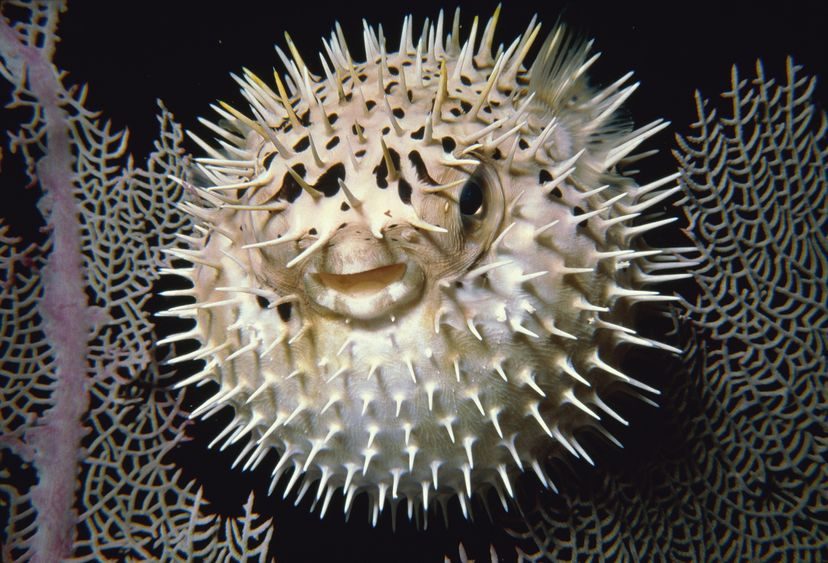

The name is literal. When a puffer fish senses danger, it swallows massive amounts of water and air. Its elastic stomach expands, turning the fish into a spiky sphere many times its original size. It is a visual defense mechanism, pure and simple.
But the inflation is not the real threat.
These fish carry tetrodotoxin (TTX), a potent neurotoxin. The same one found in the blue-ringed octopus. Just one puffer fish contains enough TTX to kill thirty humans. There is no antidote. The toxin shuts down nerve signals, leading to paralysis and respiratory failure.
In Japan, this danger is culinary tradition. The dish is called fugu. It is a delicacy. Chefs undergo rigorous training and licensing to prepare it safely. They must remove the toxic organs—the liver, ovaries, and skin—with precision. One mistake means death for the diner. It is a high-stakes gamble between gastronomy and mortality.
The Spiky Threat Below
8. Flower Urchin
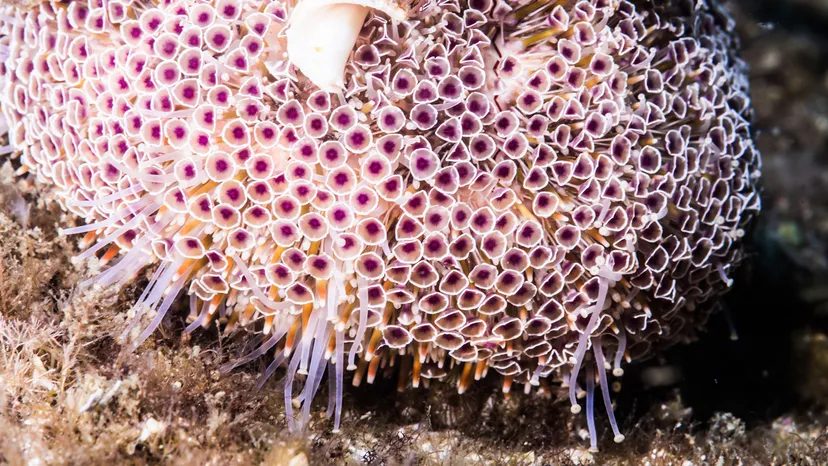
If puffer fish are the kings of surface-level toxicity, the flower urchin rules the ocean floor with a similar venomous reputation. These spiny creatures look like colorful sea grenades, often found in the Indo-Pacific reefs. Their beauty is deceptive.
Like the puffer fish, the flower urchin carries a neurotoxic punch. While not always as instantly lethal as the concentrated TTX in fugu, their venom is painful and potentially dangerous. The spines can break off in the skin, causing infection or severe pain. Some species carry venom that affects the nervous system, leading to numbness or swelling.
Divers and collectors often mistake these for harmless garden ornaments. They are not. The bright colors serve as aposematic warning signals. Nature is shouting: Do not touch.
Preparation for handling flower urchins requires thick gloves and caution. In some cultures, the roe (uni) is eaten, but only specific species are safe. The toxic varieties are strictly off-limits. The line between edible delicacy and hazardous waste is thin and often invisible to the untrained eye.
“Nature doesn’t care about your appetite. It only cares about survival.”
The connection between these two animals is not just their toxicity. It is how humans interact with it. We eat the puffer fish despite the risk, driven by status and flavor. We collect the urchins for their aesthetic, ignoring the warning. Both require respect. Both demand knowledge.
One wrong move with the knife. One careless grab with the net. The result is the same. A trip to the hospital. Or worse.
The ocean keeps its secrets well. And its deadliest weapons are often the most beautiful.
9. Lionfish
Move over, flower urchins. There is another marine resident with a deceptive beauty and a deadly sting. Enter the lionfish.
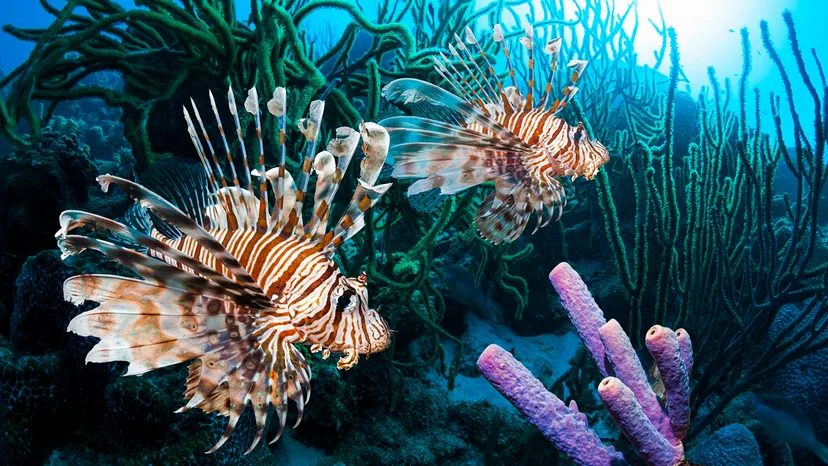
These invasive predators look like they walked out of a fantasy novel. They wear flowing, venomous spines that resemble a fiery mane or elegant fans. It’s a stunning display. It’s also a warning sign.
If you touch those spines, it’s not a gentle pinch. The venom causes intense pain, swelling, and in severe cases, can lead to respiratory failure. It’s the kind of encounter that ends your beach day fast.
But the danger isn’t just physical. Lionfish are ecological disasters. Native to the Indo-Pacific, they have taken over the Atlantic and the Caribbean. They have no natural predators in these new waters.
“They eat their way through reef ecosystems, wiping out juvenile fish populations before they can reproduce.”
One lionfish can reduce the number of young fish on a reef by up to 80 percent in just five weeks. They are voracious. They are fast. And they are everywhere.
Why does this matter to you? Healthy reefs mean healthy oceans. They protect coastlines from storms and support fisheries. When lionfish decimate a reef, the whole system wobbles.
Is there a way to fight back? Yes, but it’s not just about hunting. It’s about eating them. Chefs are turning lionfish into a delicacy. It’s the only sustainable way to control their population.
“Eat the enemy.”
The meat is white, flaky, and mild. It tastes like a mix of lobster and cod. If you want to help the ocean, look for lionfish on menus. If you’re diving, respect the spines.
It’s a weird twist. The most beautiful fish in the sea is also the most destructive. And the best way to stop it is on your plate.
You might never see one up close. You might never get stung. But the damage they cause is already done in many parts of the world. The question isn’t whether they are dangerous. It’s whether we can eat them fast enough to matter.
Probably not. But we can try.
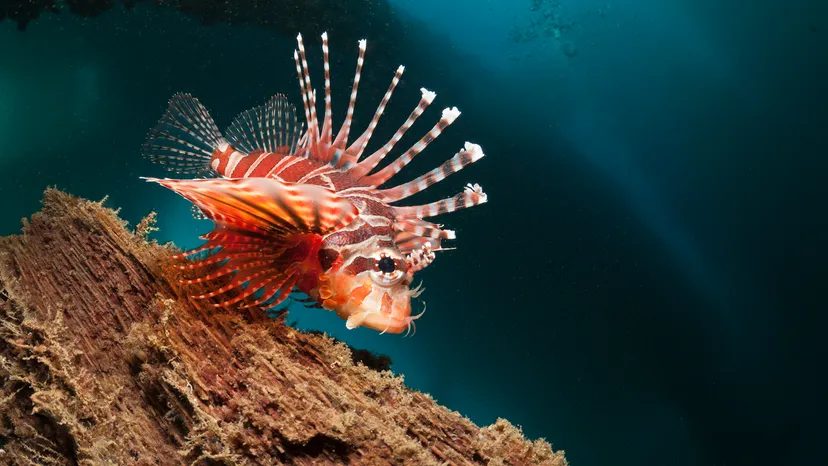
The lionfish doesn’t just look dangerous. It is dangerous. Those fan-like pectoral fins? They are part of a predatory design that includes long, venomous spines loaded with poison. One touch and you are in trouble.
But the real threat isn’t just to swimmers. It is to the ecosystem. As an invasive species, lionfish decimate coral reefs. They eat everything in their path and outcompete native fish. It is a one-two punch of physical danger and ecological destruction.
10. Stingrays
If you think lionfish are the only hidden menace in shallow waters, think again. Stingrays are often the reason tourists walk away from beaches with a limp.
The mechanism is simple and brutal. The ray lies buried in the sand, waiting for an unsuspecting foot to step nearby. When pressure is applied, it thrusts its tail upward, driving the serrated spine into the victim.
The venom causes intense pain, swelling, and sometimes necrosis. Unlike a shark bite or a lionfish sting, a stingray injury is often worse because the spine can break off inside the wound. Surgeons have to dig it out.
Why do they do it? They are not aggressive by nature. They are defensive. They cannot flee easily when buried. The spine is their only weapon against predators, including humans who treat them like stepping stones.
The injury itself is messy. The barbs on the spine tear tissue as it enters and can snag when pulled out. This is why immediate medical attention is recommended to prevent infection and ensure complete removal of the spine fragments.
It is a stark reminder that the ocean floor is not just sand. It is a battlefield. And you are walking right through it.
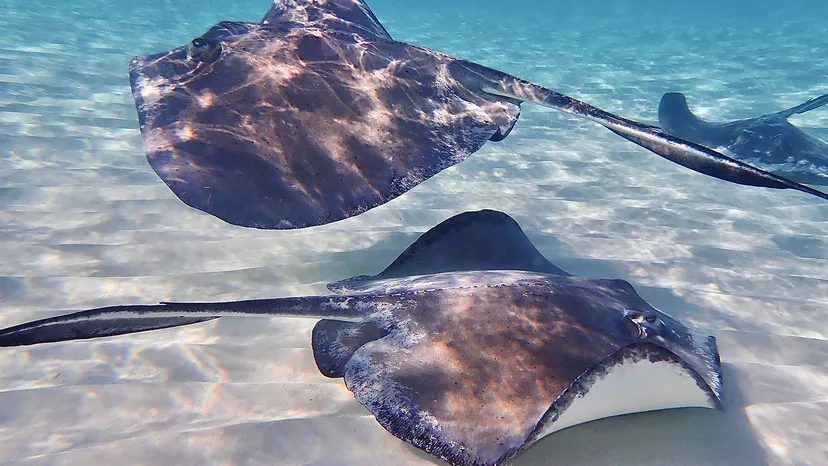
Stingrays aren’t looking for a fight. They’re generally docile, drifting through the sand like living kites. But step on one, or corner it, and the dynamic shifts instantly. The tail whip is a reflex, not a strategy, yet the result can be catastrophic. The barb isn’t just a spike; it’s a venomous dagger. Steve Irwin didn’t just get pricked. The barb bypassed his skin entirely, punching through his chest cavity to puncture both his heart and lungs. One moment he was hosting The Crocodile Hunter. The next, he was gone.
It’s a brutal reminder that even the quietest ocean dwellers carry a price for contact.
8 Dangerous Sea Creatures That Could Bite or Impale You
We tend to feel safe in the water. We assume the vastness protects us. But marine predators actually have lower human death counts than animals like dogs, snakes, or even cows. Why? Because most humans don’t wander into the deep, dark zones where these creatures thrive. They are ambushers, not stalkers. Most encounters happen because we got too close, too loud, or too careless. The sea creatures don’t want you. They just defend themselves when they feel cornered.
1. Sharks
They aren’t mindless killing machines. That’s the first thing to understand. A shark bite is often a case of mistaken identity or curious investigation. But the damage is real. The great white, for instance, has a bite force that can crush bone. The tiger shark? It has a diet so varied it’s nicknamed the “trash can of the sea.”
Which species is the most dangerous? It’s not always the biggest. The bull shark hangs out in shallow, murky waters near shorelines, making encounters more likely. The great white dominates the headlines, but the bull shark is statistically more aggressive in human habitats.
Most shark attacks are unprovoked, stemming from curiosity or confusion, not predation.
The water doesn’t care about your respect for nature. It only responds to movement. And when a shark decides to bite, it doesn’t let go easily. The serrated teeth act like steak knives, tearing through muscle and tissue. The question isn’t just how to avoid them. It’s what happens when avoidance fails. The adrenaline dump is real. The panic is real. And the survival rate? It’s higher than you think, but the trauma isn’t something you forget.
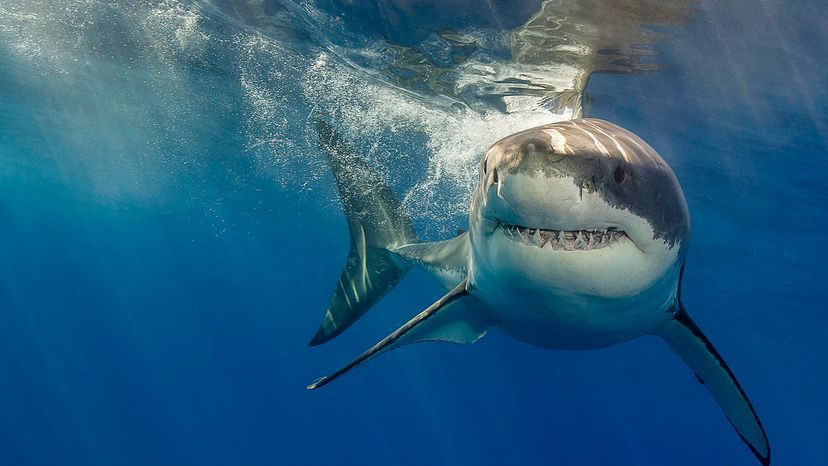
Sharks have a bad reputation. We see them in movies. We read the headlines. But the truth is they mostly ignore us.
They kill about 20 people annually. That’s it.
Meanwhile, humans are the real monsters here. We slaughter an estimated 100 million sharks every year. The numbers don’t lie.
Still, don’t get cocky. Some sharks are absolutely lethal. If you’re swimming in the wrong waters, you need to know which species to fear.
3. Great White Shark
The great white is the poster child for shark attacks. It’s not just a myth. This predator has teeth designed to shear through flesh. One bite can crush bone.
4. Tiger Shark
Tiger sharks are opportunistic eaters. They bite first and ask questions later. Their serrated teeth act like steak knives. They don’t just puncture. They tear.
5. Bull Shark
Bull sharks can swim in fresh water. They hang out in rivers. They are aggressive. They have a boxy head and short snout. This makes them surprisingly maneuverable in shallow, murky water where visibility is low.
The Real Danger
The danger isn’t just the size. It’s the mechanics. These sharks have teeth built for grinding and crushing prey. A tiny bite from a great white or tiger shark can cause immense damage to a human limb. It’s not a clean cut. It’s a mauling.
3. Goliath Tigerfish
If the shark is the apex predator of the open ocean, the Goliath Tigerfish is the nightmare of African rivers.
This fish doesn’t just eat other fish. It eats anything that fits in its mouth. And its mouth is lined with interlocking, razor-sharp teeth. Think of a crocodile’s smile crossed with a shark’s jaw.
They grow massive. Up to 1.5 meters long. Weighing over 50 kilograms. They are ambush predators. They wait in deep pools. Then they strike.
Unlike sharks, which are often mistaken for attacking humans, the Goliath Tigerfish has a specific reason to be wary. It’s territorial. It’s aggressive. It’s powerful.
You don’t swim with Goliath Tigerfish. You don’t even wade near them in the Congo River basin. The risk isn’t just a bite. It’s a severed limb.
So next time you see a shark documentary, remember. The shark probably isn’t looking at you. But if you’re in the Congo, something far more jagged is looking at you.
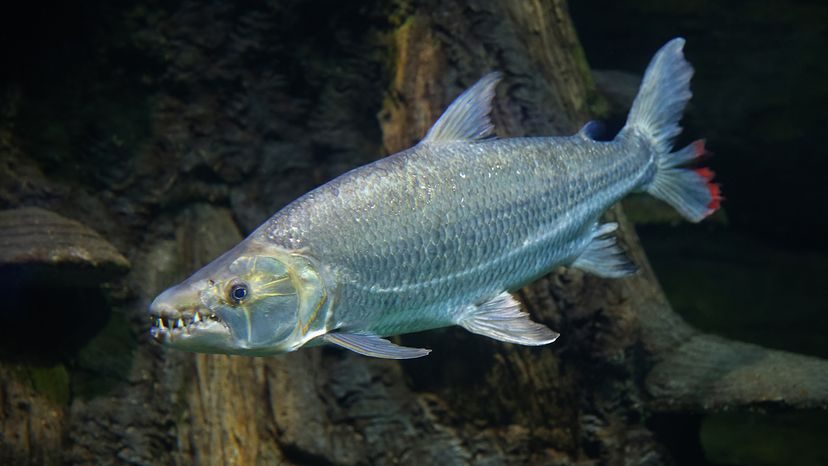
You have to respect the bite. Native to the Congo River basin in Africa, the goliath tigerfish isn’t just big. It’s a biological weapon wrapped in silver scales. National Geographic dubbed them the “Monster Fish of the Congo” for good reason, but locals already knew the truth long before Hollywood cameras arrived. Their Swahili name, mbenga, translates simply to “dangerous fish.” That’s not an exaggeration. It’s a warning label.
These predators are built for violence. They sport 32 jagged, dagger-like teeth designed to shred anything that swims by. We’re talking about animals that can hit 130 pounds (60 kg). That’s heavy. That’s dangerous. And they don’t just stay away from threats. They attack smaller crocodiles. Think about that. A fish taking down a reptile that eats fish.
The fear is so deep in the region that some believe the Goliath tigerfish to be an evil spirit. Maybe that’s why they’re so hard to catch. Maybe that’s why they’re so elusive. They are rare, but when they show up, the water changes.
3. Great Barracudas
Speaking of things that bite, let’s talk about the Great Barracuda. While the tigerfish rules the murky depths of Africa, this species owns the open ocean’s mid-waters. They’re sleek. Fast. And they look like they’re smiling even when they’re about to strike.
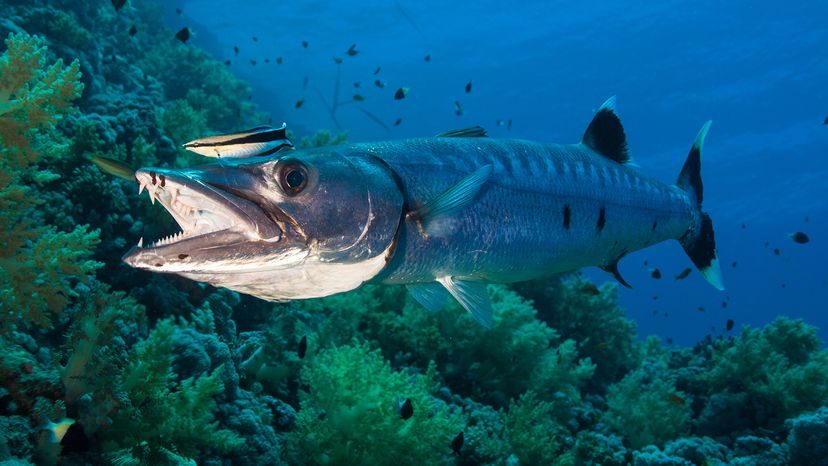
The great barracuda is a creature built for terror, even if it doesn’t mean to be. It can hit 10 feet (3 meters) long. It can weigh over 100 pounds (46.72 kilograms). That is heavy. It is fast. It has multiple rows of teeth that look like a meat grinder in motion.
This reputation sticks. People fear the barracuda.
But the reality is quieter. They don’t hunt humans. They aren’t looking for us. The danger comes from confusion. A barracuda might mistake a flailing arm or a splash for a fish. This happens most often in shallow waters. Visibility drops. Light refracts weirdly. The fish sees a shape. It attacks.
It is a case of mistaken identity, not malice. But the damage is real. So we move on to something with a name that sounds like a tool.
4. Sawfish, aka Carpenter Sharks
Wait. A shark with a saw?
Sawfish are not sharks. They are rays. Close cousins. But they share the same cartilaginous skeleton. The big difference? Their snout. It is elongated and lined with teeth-like denticles on both sides. It looks like a carpenter’s tool. Hence the nickname.
They look prehistoric. They move slowly through the sand. But that snout is not for decoration. It is a sensory weapon. The saw is covered in electroreceptors. It can detect the electrical fields of buried prey. Clams. Crabs. Shrimp. The saw sweeps side-to-side. It stuns or wounds the prey. Then it eats.
This is not an aggressive animal. It is a bottom-feeder. It lives in coastal waters. Estuaries. Mangroves. Shallow bays. Where humans swim. Where humans fish.
The danger here is different. It is not about being hunted. It is about being in the way. A sawfish can grow up to 16 feet (5 meters) long. That saw can be nearly 3 feet (1 meter) of it. If you swim near the bottom. If you kick up sand. You might hit that snout.
It is a blunt force. A slash.
We call them Carpenter Sharks because we want to categorize them. We want the scary name. But they are shy. They are endangered. Habitat loss hits them hard. They get caught in nets. By accident. By design.
So why do we care? Because the ocean is full of things we misunderstand. We see teeth. We see spikes. We assume malice.
The barracuda mistakes us for food. The sawfish mistakes us for part of the seabed.
Neither wants a fight.
But the water is murky. The light is dim. And the animals are big.
We keep swimming. They keep hunting. The line blurs.
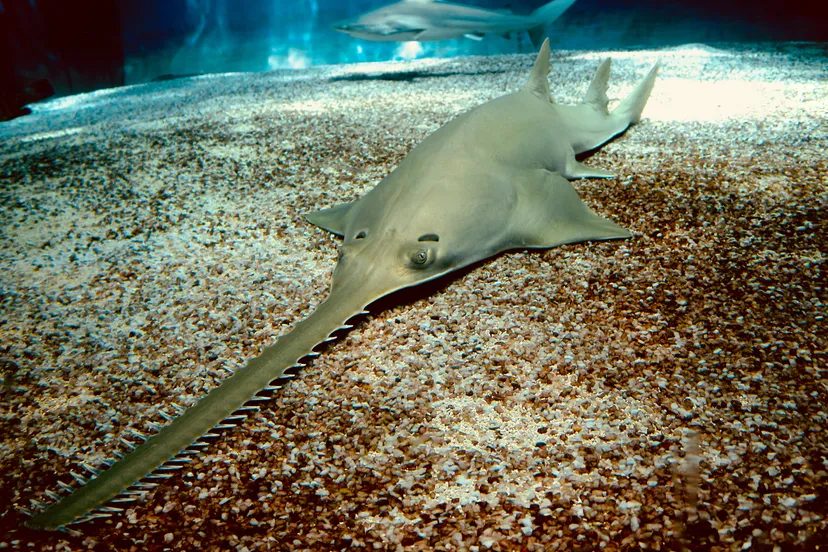

The sawfish, sometimes mistakenly called a carpenter shark, gets its name from the long, narrow rostrum extending from its snout. This “beak” is lined with tooth-like denticles on both sides, giving it the distinct appearance of a double-sided hand saw.
The large-tooth sawfish is the largest of its kind. These fish can grow up to 24 feet long, which is roughly 7 meters. They generally avoid humans. But when they feel threatened, they thrash side to side. This creates a significant risk of injury. The saw’s teeth are sharp. The force of the thrashing can cause deep lacerations.
5. Killer Whales
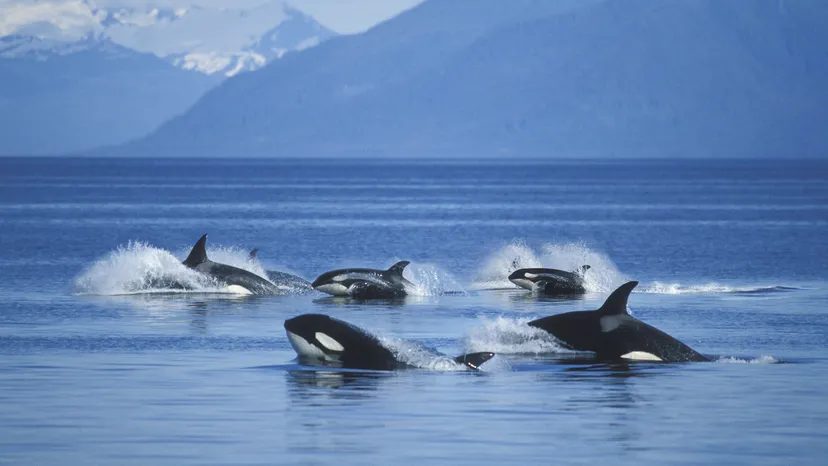
Most whales are gentle giants. They filter feed, migrate peacefully, and generally ignore humans unless we get in the way. There’s even a rise in orcas attacking boats in recent years, a trend that has sent shockwaves through coastal communities and maritime industries alike. This shift highlights a stark reality: orcas, aka killer whales, are the aggressive exception to the peaceful whale standard. They are not just large dolphins; they are hyper-intelligent, social hunters with a capacity for complex behavior that makes them far more unpredictable than their baleen cousins.
6. Saltwater Crocodiles
If orcas rule the open ocean with intelligence and social coordination, saltwater crocodiles (Crocodylus porosus ) rule the shallows with brute force and ambush tactics. They are the largest living reptiles on Earth, and unlike many other crocodile species, they don’t shy away from open water.
Where saltwater crocodiles live
These reptiles are found across northern Australia, Indonesia, Papua New Guinea, and throughout Southeast Asia. They thrive in both freshwater and marine environments, which is what gives them their name. Their range extends from the eastern coast of India to northern Australia, making them one of the most widespread crocodile species.
How big do they get?
Male saltwater crocodiles can grow up to 20 feet long and weigh over 2,000 pounds. Females are smaller but still formidable, often reaching lengths of 10 to 13 feet. Their size isn’t just for show; it allows them to take down prey much larger than themselves, including water buffalo, wild pigs, and occasionally, humans.
Why are they so dangerous?
It’s not just about size. Saltwater crocodiles are ambush predators with a bite force estimated at 3,700 psi. That’s enough to crush bone like a twig. Their hunting strategy is simple: wait. They can remain motionless for hours, blending into the murky water, before launching a lightning-fast strike. This “death roll” technique allows them to dismember large prey quickly.
Human encounters
Unlike orcas, whose boat attacks are often linked to play or curiosity, crocodile attacks are almost always predatory or defensive. In Australia’s Northern Territory, crocodile attacks on humans are a serious concern, particularly during the wet season when water levels rise and human activity near waterways increases. Unlike orcas, which are protected under international law in many regions, saltwater crocodiles are often managed through culling programs or strict warning signage in high-risk areas.
Key differences from other crocodiles
Saltwater crocodiles are more aggressive and tolerant of saltwater than Nile crocodiles, their closest counterparts in Africa. This adaptability allows them to inhabit a wider range of ecosystems, from rivers and swamps to mangroves and even the open sea. They can travel long distances across the ocean, which is how they’ve colonized islands across the Pacific.
How to stay safe
If you’re traveling in saltwater crocodile habitat, the rules are non-negotiable. Stay out of the water unless you’re in a clearly marked, safe zone. Never swim at night. Avoid swimming near riverbanks or estuaries where crocodiles often bask. Listen
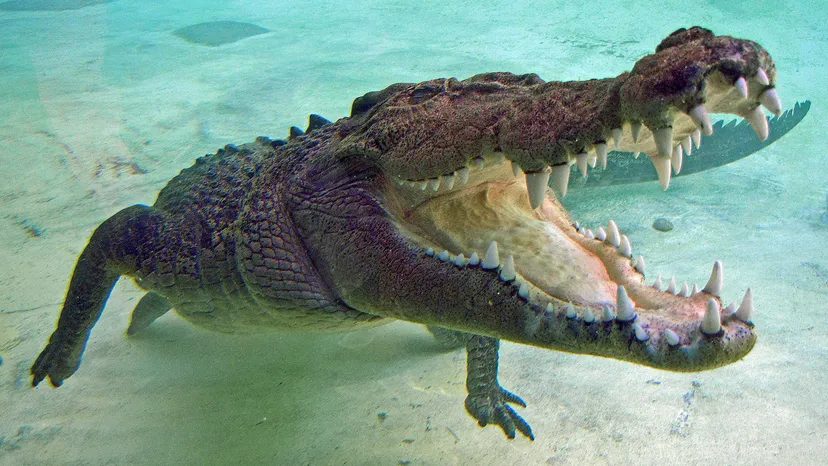
Saltwater crocodiles aren’t true marine animals. They are semiaquatic reptiles. But that distinction offers zero protection if you are swimming in their range. These apex predators are highly aggressive. They will chase you out of the water. They will follow you onto the sand. The attack does not stop when you leave the sea. It often intensifies on land.
7. Piranhas
Moving from the coastal ambush of the crocodile to the freshwater traps of South America, we encounter the piranha. The media loves them. Movies paint them as mindless eating machines. The reality is more nuanced, but no less dangerous.
Piranhas are freshwater fish. They live in the Amazon and Orinoco basins. You won’t find them in the ocean. That is a common misconception. Their teeth are sharp. Their jaws are strong. But they are not mindless killers.
They are opportunistic scavengers. Most piranha species feed on insects, crustaceans, and plants. They only turn to flesh when food is scarce. Or when the water is low. Crowded conditions can trigger a feeding frenzy. This is not a coordinated hunt. It is panic.
So, can a piranha strip a human to the bone in minutes? Rarely. Stories exist, of course. But the fish are small. A healthy adult can fight them off. Kicking and thrashing usually ends the encounter. The risk is highest for people with open wounds. Blood in the water attracts them. Also, small children. Their skin is thinner. Their movements are slower.
Where exactly do they live? In the murky, slow-moving waters of Central and South America. Brazil is a hotspot. Peru is a hotspot. The Amazon River itself is a hotspot. Avoid swimming in these waters. The local advice is simple. Don’t enter the river. If you must cross, do so quickly. Don’t splash. Don’t bleed.
Which species are the most dangerous? The red-bellied piranha is the most famous. But the black piranha is stronger. Its bite force is higher. It can crush bones. The yellow-bellied piranha is less aggressive. Size matters. A two-foot piranha is not a threat to an adult. A school of them is.
Why do they have such a bad reputation? Because people put them there. Tourists feed them. They learn to associate humans with food. This changes their behavior. It makes them bold. It makes them dangerous. Leave them alone. Let them be scavengers. Do not treat the river like a buffet.
The fear of piranhas is often exaggerated. The fear of the crocodile is not. Both require respect. Both require awareness. One hides in the mud. The other hides in the school. Neither forgives a mistake.
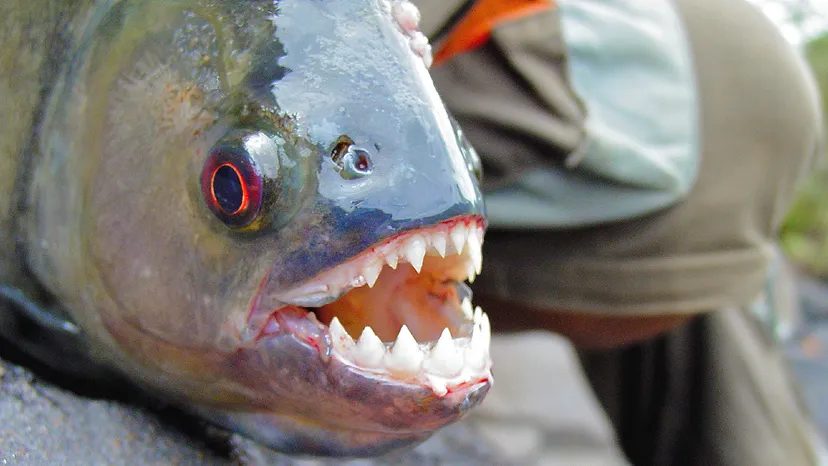
Hollywood has done a number on the piranha. You’ve likely seen the films where these fish descend upon humans like underwater buzzsaws. The reality is far less cinematic. Piranhas don’t typically hunt people. They lack the appetite for human flesh, despite their fearsome reputation.
But don’t let the movie monsters fool you into thinking they are passive. When a pack enters a feeding frenzy, the rules of engagement change entirely. Aggression spikes. They become erratic. They will bite anything that moves. If you are near them during a frenzy, you are part of the food chain. It isn’t personal. It is just instinct.
8. Swordfish and Needlefish
Then there are the fish with built-in weaponry. These aren’t just large scales. They are armored with bone and keratin. The swordfish is the poster child for this category.
It has a long, flat bill. Actually, it’s a modified snout. This structure isn’t for show. It cuts through water with minimal resistance. But more importantly, it is a weapon. A swordfish can hit speeds of up to 60 mph. Combine that velocity with a bill hardened by calcium deposits, and you have a living spear.
The needlefish takes a different approach. Instead of brute force, it relies on precision. Its jaws are lined with sharp, needle-like teeth. It hunts near the surface. It snaps at prey with lightning speed. If you’ve ever swum in warm waters and seen a fish darting just below the surface, steer clear. The needlefish doesn’t hesitate. It strikes first.
Both species represent evolution’s answer to predation. One charges. The other snipes. Neither wants to be touched by a human. The risk of injury is high for both parties. The fish risks damage to its delicate bill. The human risks a puncture wound that could lead to infection or worse.
It’s not about malice. It’s about survival. These creatures have spent millions of years refining their tools. We are not part of their ecosystem in a way that invites interaction. We are intruders. And when we step into their world, they defend their space.
“A swordfish hitting at 60 mph with a bone-hard bill turns a simple swim into a high-stakes gamble.”
The danger here isn’t mythical. It’s biological. You are dealing with animals that have evolved to be lethal. They don’t need to be aggressive in the emotional sense. They just need to be efficient. And efficiency, in their case, looks like violence.
So, if you find yourself near these species, keep your distance. Don’t test the waters. Their reputation isn’t built on movies. It’s built on anatomy. And anatomy doesn’t lie.
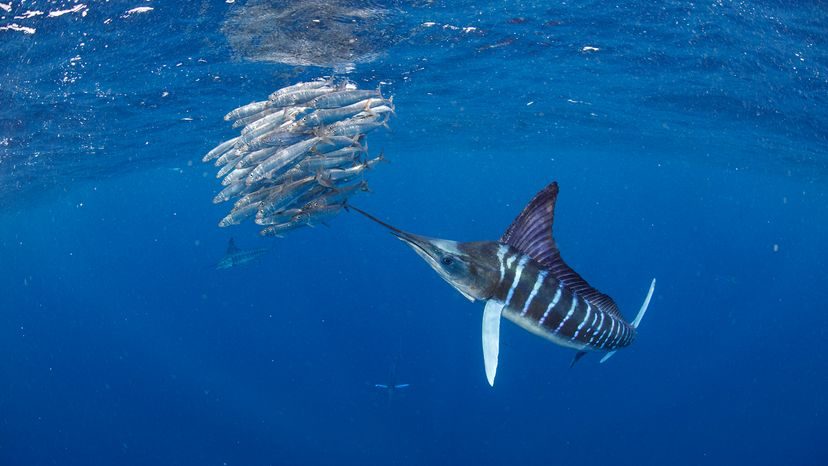
Swordfish and needlefish rely on blunt force trauma. Their weapons are physical, hard, and unforgiving. A jump at twenty miles per hour can turn a human ribcage into powder. The record for a swordfish impaling a small boat’s hull is not just a story; it’s a cautionary tale about physics meeting flesh.
But nature has a different kind of horror story. One that doesn’t bruise you. It stops your heart from the inside out.
The Living Battery
Let’s clear up a taxonomy error right away. The electric eel isn’t an eel. It’s a type of knifefish. Electrophorus electricus. Native to the murky, slow-moving waters of the Amazon and Orinoco basins in South America.
This distinction matters because it changes how you understand the creature’s design. Eels are fish with lateral lines. Electric eels are built like a biological battery pack.
How does it work? Specialized cells called electrocytes line the eel’s body. Thousands of them. When the animal decides to discharge, these cells fire in unison. It’s not a random spark. It’s a coordinated symphony of electrical potential.
How Much Voltage Are We Talking About?
Most people think “zap.” They think of a static shock from a doorknob. Or the mild tingle of a shock collar.
The electric eel delivers up to 860 volts.
That is not a typo.
For context, a standard US household outlet is 120 volts. The eel’s discharge is seven times more powerful than what powers your refrigerator. And it doesn’t just shock once. It can deliver a series of pulses. Rapid-fire jolts that can leave a human muscle paralyzed.
Why does it need so much power? To stun prey. The eel lives in muddy water where visibility is near zero. It can’t see its prey. It can’t hear it well. So it creates an electric field around itself. Tiny disturbances in that field tell the eel exactly where a fish is hiding. When it strikes, the pulse hits the prey’s nervous system, causing involuntary muscle contractions. The fish freezes. The eel eats.
Simple. Efficient. Terrifying.
The Human Cost
Humans are not prey for electric eels. We are too big to eat. But we are conductive.
There have been documented cases of fishermen being knocked unconscious after wading into shallow waters where eels are active. The voltage isn’t always fatal. But it can cause drowning. If your chest muscles lock up underwater, you inhale. That’s how you die. Not from the shock itself, but from what follows.
There are rarer cases where the discharge has been strong enough to induce cardiac arrest. In remote villages along the Amazon, the threat is real. Locals know to avoid wading in deep, dark pools during low water seasons. They use sticks to probe the mud before stepping in. A simple precaution. One that saves lives.
Torpedo Fish Confusion
Some articles lump electric eels in with torpedo fish. Don’t be fooled. They are different.
Torpedo fish, or electric rays, are cartilaginous fish. They look like flattened discs. They generate electricity for defense
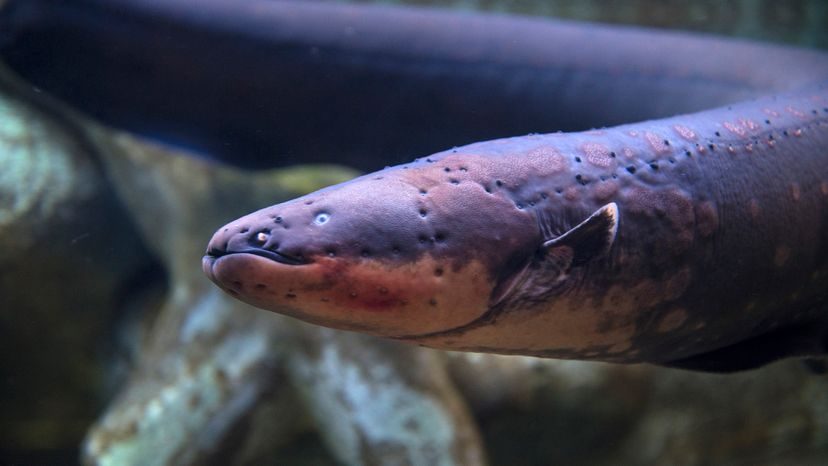
It is easy to see why people confuse the electric eel with a serpent. The name suggests it. The sinuous body suggests it. But the electric eel is technically a fish. It lives in the murky waters of the Amazon and Orinoco basins. And it carries a weapon built into its own flesh.
Three separate electric organs make up 80 percent of its total body mass. That is not a small margin. It is a biological battery pack running through its spine. When threatened, it can discharge up to 600 volts. Consider that 42 volts is enough to kill a human. The eel doesn’t just sting you. It overloads your nervous system.
The danger isn’t just the peak voltage. It is the repetition. An electric eel can deliver multiple shocks in rapid succession. A single zap might knock the wind out of you. Several in a row can cause immediate muscle paralysis. You can’t swim. You can’t tread water. If you are in deep water, the result is drowning. The eel isn’t trying to murder you. It is trying to disable a predator. But the outcome for humans is often fatal anyway.
2. Marbled Electric Ray
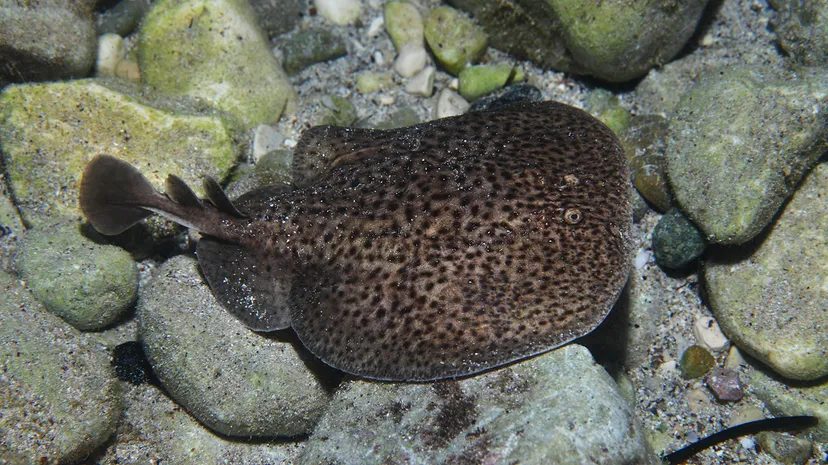
While the eel relies on its entire body as a conduit, the marbled electric ray uses a more concentrated approach. Found in the shallow coastal waters of the Indo-Pacific, this ray is a master of ambush. Its electric organs are located in its tail, not its main disc. This allows it to deliver a precise, high-voltage jolt when stepped on or threatened. The voltage is lower than the eel’s, but still potent enough to cause severe pain and temporary paralysis in humans. The “marbled” name comes from the distinctive pattern on its dorsal side, which helps it blend into the sandy seabed. It’s a different strategy. Less volume. More precision. And just as dangerous if you get too close.

The Ancient Origins of Electric Shock
The ancient Greeks had a name for the electric ray that says it all: the numbfish. They weren’t just being dramatic. The creature delivers up to 220 volts of pure electricity, enough to make you think twice about swimming in its vicinity.
These rays are built like walking batteries. They have electric organs located on either side of their heads. You might not notice them at first glance. But one touch changes everything.
The jolt is painful. It’s not just a static shock from a doorknob. It’s a full-body event. Muscles hurt. They spasm involuntarily. You can’t move them. Numbness sets in fast. In severe cases, temporary paralysis follows.
Why does this matter today? Because understanding how these fish generate power helps us map the nervous system. It’s not just about avoiding pain. It’s about learning how electricity moves through biological tissue.
We still use the same principles. Engineers study these organs to design better medical devices. Think pacemakers. Think defibrillators. The ray’s natural circuitry inspired human innovation.
So next time you hear about a “numbfish,” remember the 220 volts. Remember the ancient Greeks watching this happen. And consider the ripple effect on modern medicine.