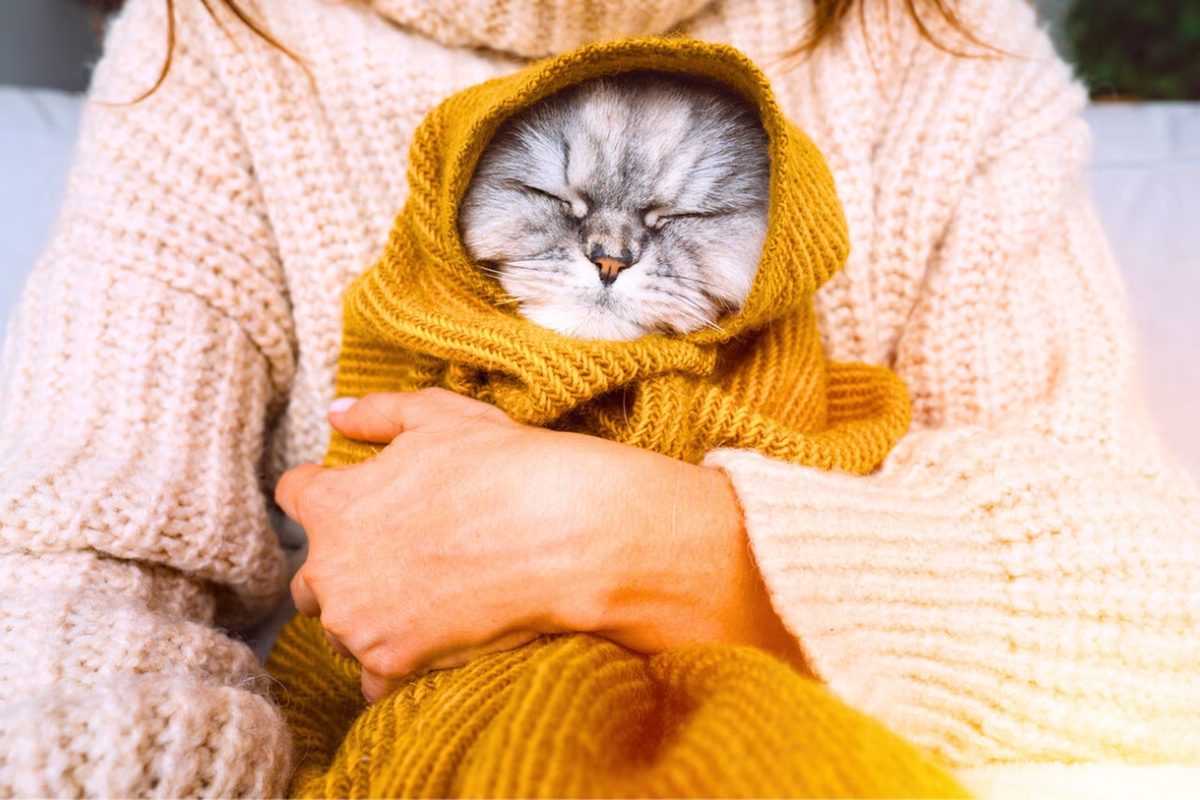
Cats are notoriously cold-blooded survivors, or so we think. But when the temperature drops, reality hits certain groups of people harder. It’s not just sitting in a corner and shivering. Some cats are biologically disadvantaged in cold winter weather.
Consider the case of the kitten. Their fur has not yet thickened. Their temperature regulation system is still under development. I don’t have an internal stove that older cats have. The rest are pensioners. Their fur has thinned over the years. Insulators simply aren’t what they used to be. It’s easy to break.
We often mix size with heat. Maine Coon cats look like winter tanks. Something big. Fluffy. impressed. But looks lie. Many large breeds lack the dense undercoat needed for real protection. The outer hair can be long, but the hair on the underside can be sparse. Without this density, the wind simply passes through.
This leads to deviations. A hairless breed. The Sphinx exists without natural barriers. They do not have the evolutionary advantage of fur. They completely rely on us to provide the heat that insulation cannot provide.
Ignoring these vulnerabilities is dangerous. Winter does not depend on the popularity of the variety. Target the unprotected.
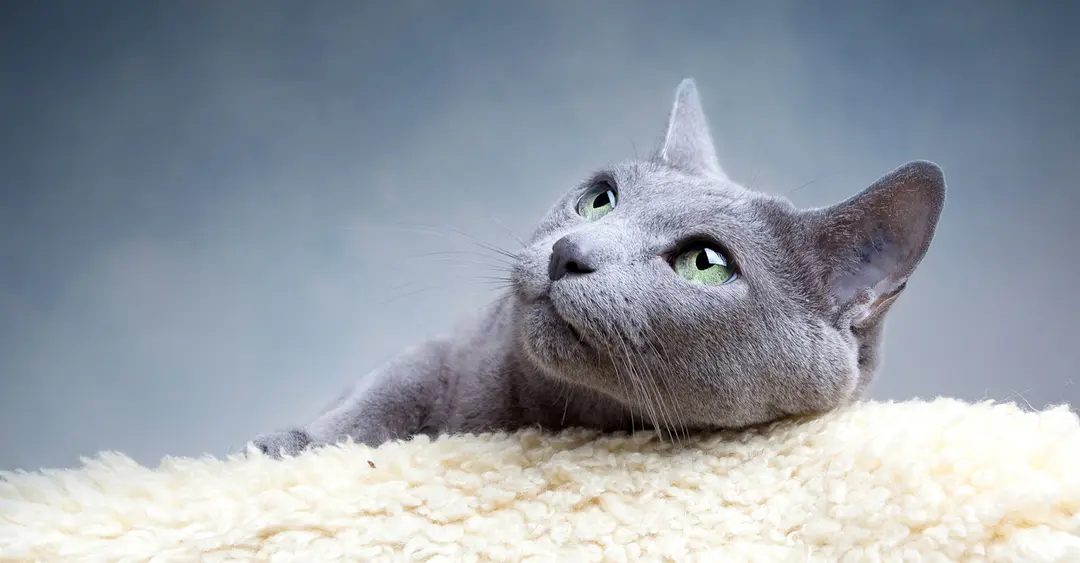
When the temperature drops, the cat’s fur just doesn’t change. It will get thicker. It is naturally a built-in insulator. However, this biological switch only turns on if the cat actually lives outside. For indoor cats? There aren’t that many of them. Because the environment is stable, the fur remains relatively uniform.
Here is a dangerous misconception. Some owners believe that if you let your cat out of the apartment in January, it will naturally get used to it. No, that coat is not suitable for freezing. If your cat is adventurous, he may enjoy the novelty of snow. You won’t learn about the risks of hypothermia until it’s too late. For cats used to central heating, sudden exposure to winter cold is not good.
Even if your cat is a veteran of the outdoors, coming indoors in winter should not be overlooked. The cold drains your energy faster than you think. Cats should always return to a warm place.
Provide a safe heating path
How do you deal with this problem? You have a choice.
–Break the window. Use safety netting to prevent escape while providing fresh, cool air to an area where your cat can take shelter.
– Attach the cat flap. ** This allows them to come and go freely.
– ** etc. If you don’t have a hardware solution, be ready to answer as soon as you get back.
The goal is simple. Let your body escape the cold when it needs it.
Amount of heat needed in winter
Cold weather is a metabolic beast. Outdoor cats burn more calories just to maintain their body temperature. This is not a subtle addition. We are talking about significant changes in nutritional needs.
Their diet should be adjusted.
The usual advice is to increase the daily chip by about 10%. It’s not a huge increase, but it adds up after a few weeks. You can also switch to slightly more energy-dense food. Look for options that are high in fat and protein. This gives your body dense fuel to burn to keep you warm.
It’s not just about staying full. This will keep you warm from the inside out.
Protect his paws from winter damage
Dog paws take up most of your winter travel. This doesn’t just mean a quick trip to the backyard. This means hiking through deep snow and walking on sidewalks covered in anti-icing mud. As a result, the cushions crack. It’s painful.
When your dog comes in, be sure to clean and wash his paws with warm water. Remove the salt. Salt burns. It can dry out the delicate skin between the toes. Remember to dry his paws as well. When the weather gets colder, the fur’s moisture can freeze again.
Consider investing in a paw balm. These protective balms form a barrier against the cold. Repair existing damage. If the soles of the feet are red or rough, a healing cream is essential. This is not luxury. This is basic care for animals that walk on ice.
Fight indoor dryness
Heating systems dry the air. you know it. The skin cracks. It dries out your throat. Even your dog feels it. Hydration in winter is more than just drinking water. It’s about the environment.
Dehydration makes everything worse. Affects the kidneys. Affects digestion. Affects skin health.
Always have a bowl of fresh water handy. It’s not just the kitchen. Place the bowl in his favorite room. Make hydration easy. It would drink more if he didn’t have to walk far to drink. This simple step can prevent many health problems during the coldest season.
Joint pain treatment
Cold air can have a negative effect on joint stiffness. If your dog has arthritis or rheumatism, a drop in body temperature can be a trigger. This causes pain.
Do not place the bed where there is a draft. Check cold spots under doors and windows. It removes heat from the aging body.
Create a warm sanctuary. Use a heating pad or thick blanket in a quiet room. Dogs seek comfort when they are in pain. Give him a warm place to rest all the time. There are no gusts of wind. Just a steady amount of heat.
The goal is not just to survive the winter. It is comfortable. This is animal comfort.
Does your dog limp when jumping up? Watch out for subtle signs. Changes in treatment habits. I don’t want to move. These are all hints. The cold strengthens what is already there.
You can’t control the weather. But you can control the space it inhabits. Clean his paws. Fresh water. A warm place.
Please add more.