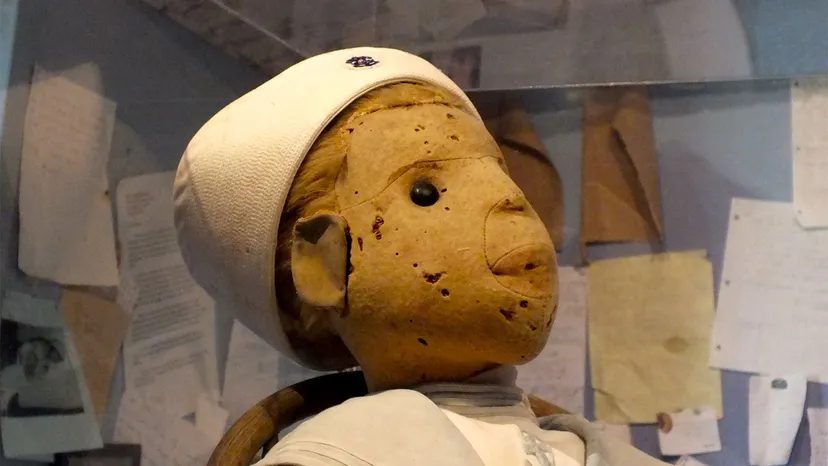
In 1899, Thomas and Minnie Otto moved into a spacious Queen Anne style colonial home in Key West, Florida. They brought their three sons, including a young Robert Eugene Otto, known as Gene. In addition to furniture and heirlooms, the boy has a curious companion. a life-sized doll standing three feet tall stuffed with straw and dressed in a sailor suit. What is its name? Robert.
Its origin story is special and strange. Gene’s grandfather bought the doll during a trip to Germany. Although this product was manufactured by the Steiff company responsible for inventing the teddy bear, this product was not part of the company’s commercial toy line. Experts believe it was originally designed as a jester or clown figure, a prop to store window display before Otto entered the house.
On the surface, this is just a story about Victorian child and his toy. But for 117 years, Robert was anything but ordinary. The doll is the centerpiece to a supernatural legacy that arouses curiosity, skepticism, and fear in equal measure. Jessica Schreckengost is the general manager of Key West’s Artist House, where she runs the bed and breakfast that now houses the doll. She has spent years navigating the story of Robert the Doll, who became synonymous with supernatural unease in the Florida Keys.
Gene’s Shadow Self
For Gene, Robert was no plaything. It was a confidant.
To anyone observing the Otto household, the two were inseparable. Gene treated the doll with the same respect he had for living people. He didn’t just dress Robert for Robert; He shared a wardrobe. The iconic sailor outfit that the doll wears today is actually Gene’s own hand-me-down, passed down from boy to toy.
But this behavior raised eyebrows. Gene is a typical mischievous kid who likes pranks and getting into trouble. Yet, his parents and neighbors soon started blaming the doll for everything. Whenever the vase broke or the candy went missing, Robert was always to blame.
“I think Robert was Eugene’s scapegoat,” Schreckengost explained. “I think he had a reputation for being mischievous, but that changed as the story was told and retold.”
This dynamic creates a strange feedback loop. Gene projects his own dark impulses onto this character, allowing Robert to act out, but Gene remains an innocent bystander in the eyes of the community. Over time, local legends developed. Robert is more than just a stuffed prop. he was an alter ego, a vessel for the boy’s unlived experiences. According to those familiar with history, that spirit still lingers. It was generally agreed that Robert demands respect. Those who laughed at him or despised him often reported that immediate, unexplained misfortune.
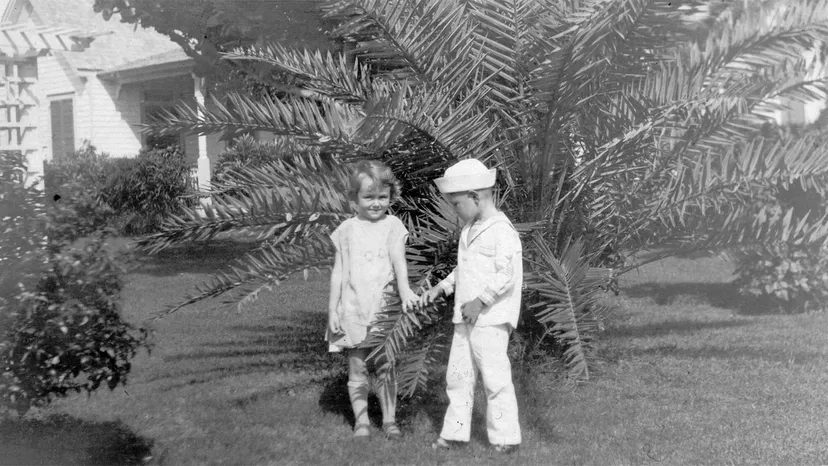
Horror doesn’t start with fear. It started with a whisper.
A servant at Otto’s house said he heard Gene Otto talking to someone in his room. There is only one voice. No answer. Nobody answered. Then came the screams. Gene woke up so violently that his parents worried he was having nightmares. Instead, furniture was found overturned. Gene curled up into a ball. Blaming the doll sitting motionless on the bed.
When children grow up, they no longer need imaginary friends. Gene didn’t.
The obsession followed him. Robert is no longer just a toy. he is a friend. shadow.
“Everyone has had a doll or a toy, and at some point in their growth they imagined it was alive or wished it was alive,” says researcher Schreckengost. “Robert’s story really caught people’s attention because it was a relatable story where things just didn’t work out.”
Artists’ house
Gene has grown up. He attended the Art Institute of Chicago. Then there was the Art Students League of New York. He traveled to Europe. In Paris, he met Anne Parker. They married in 1930.
Robert didn’t get an invitation to the wedding. But there he is.
Anne didn’t like this. The doll’s presence made her uneasy. But Gene kept him close. After the death of her parents, Gene inherited the home on Eaton Street. He called it the artist’s home. He worked there. He lived there. Robert lived there too.
Anne demands that Robert be locked in the attic. Dusty. dark. Forgotten.
Robert refused.
Schreckengost cited reports of passers-by seeing the sun-faded doll in Gene’s bedroom window. Gene had locked him away. He checked the room. Robert is back. Sit in the rocking chair. Staring.
Gene moved him again. He returned.
It’s not just Gene. After Gene died in 1974, Myrtle Reuter bought the house, but the behavior didn’t stop. Myrtle arrested Robert. The guests heard footsteps. Giggling from above. Some claim that his facial expressions have changed.
After six years, Myrtle left home. He held Robert back. Twenty years. He said he “walked around the house by himself.” she urged him.
In 1994, she donated him to the Fort East Martello Museum.
Robert’s life continues in the East Martello Museum
Robert has lived in the museum since 1994, but is now retired. Not from mischief.
Museums have rules. Permission must be obtained before taking pictures. Don’t ask? Misfortune follows. It’s a curse. Or a prank. Or both.
Schreckengost worked for many years at Artist House. She avoided Robert. Finally, she visited.
He didn’t ask permission. She used a digital camera. She left. She checked the photos. Only the last few were there. The camera refuses to record anything else. Ever again.
Most tourists are just curious. They want to see the century-old doll.
“I think he has an attractive side,” Schreckengost said. “I think a lot of people have feelings for him. He’s not completely evil, he’s more of a funny guy than anything else.”
But playful dolls don’t ruin cameras. They don’t knock over furniture. When they are locked in the attic, they do not sit on the window.
Robert, how do you like your pictures? Or does he just want you to see him?
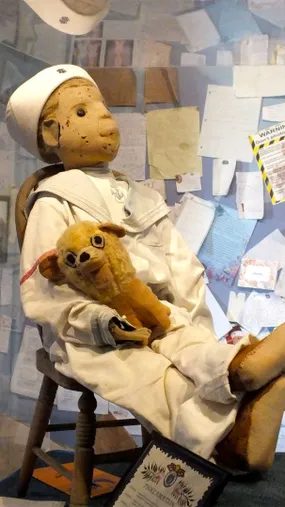
Artist House is more than just a place. This is a lively scene of paranormal activity. People don’t just come to see Robert the Doll. They pay to sleep in his room. Ghosthunters. Film crew. People devote their lives to studying the doll. They all come to the artist house.
“It’s fun,” said Schreckengost, the current custodian. “People love staying in Robert’s room.”
The property is the perfect place for nightly ghost tours. The story of the doll is so universal that Schreckengost believes that even if the specific tales were to disappear, it would still be famous. But the legend lives on.
Technology Fails in Robert’s Presence.
The haunting are not limited to cold spots or moving shadows. It gets technical.
Schreckengost described a brand-new computer. Worked well for 3 months. Then one day the keys started typing backwards.
She swapped his keyboard. She swapped the mouse. She reset the computer. Nothing worked. A technician was called and he was confused. He had no explanation.
This Robert the Doll paranormal activity is not limited to staff. Guests reported strange and unexplained events in the guest book. This is usually not a scary stuff. It really defies logic. Schreckengost recorded these stories a logbook. She asks people who had experienced something to write about it.
So what does Robert do? Does he play games? Does he lurking in the shadows and look for a comfortable chair by the window?
A Cinematic Legacy
The fame of this doll fueled a horror franchise. In 2015, a movie called “Robert” was released. It wasn’t the end.
Four sequels followed. The Curse of Robert the Doll was released in 2016. Toymaker was released in 2017. The Revenge of Robert the Doll was released in 2018. Robert Reborn ended the decade in 2019.
The cultural appetite for Robert was insatiable. People wrote to him from all over the country. The museum received more than a thousand personal letters.
Some letters are apologies. People regret not respecting him in the past. They want him to stop wreaking havoc on their lives. Some just want to say hello. They wanted to visit the well-loved doll.
The Bond with Robert
Over time, Schreckengost saw the doll change.
“I think he’s gotten better as he’s gotten older,” she said. “The wear and tear become endearing.”
She believes Robert doesn’t interact with everyone. He chooses people. He chooses who he wants to be around. A bond is formed.
It’s a strange relationship. fear of dolls, known as pediophobia. Pedophilia is a type of phobia. This is an irrational fear of something that poses no real threat. But when it comes to Robert, fear often turns to fascination.
The letters continued to arrive. The story continues to grow. The doll stayed in the room and watched. Waiting for the next guest to check in.