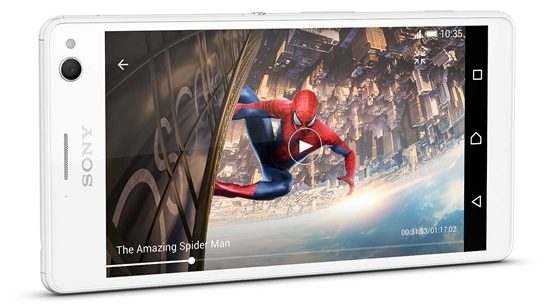
Selfies went from a quirky trend to a daily habit faster than anyone predicted. Manufacturers noticed. They stopped treating front-facing cameras as an afterthought and started boosting their quality. Sony, a company that has left its mark on successful image sensors in the industry, decided to shake things up with the Xperia C4. This isn’t just another phone. It’s a device designed to revolutionize how we see ourselves on screen.
The Xperia C4 catches attention with its specs and pricing. Here is what it actually brings to the table.
Sony Xperia C4 Specifications
Before diving into the design, let’s look at the hardware that powers the experience.
- 5.5-inch IPS LCD display with 1080p Full HD resolution
- Scratch-resistant glass and Bravia 2 technology
- 71.68% screen-to-body ratio
- MediaTek MT6752 processor running at 1.7 GHz
- 8-core CPU architecture
- 2 GB of RAM
- Mali-T760 MP2 GPU
- 16 GB internal storage
- MicroSD support up to 128 GB
- 13 MP rear camera with LED flash
- 1080p Full HD video recording capability
- 5 MP front camera with 80-degree wide-angle lens and flash
- 1080p Full HD video recording from the front
- 2,600 mAh non-removable battery
- 4G LTE connectivity
- Internal radio tuner
- SteadyShot stabilization
- NFS (No Frame Skip) technology
- Sony audio technologies
Screen and Design
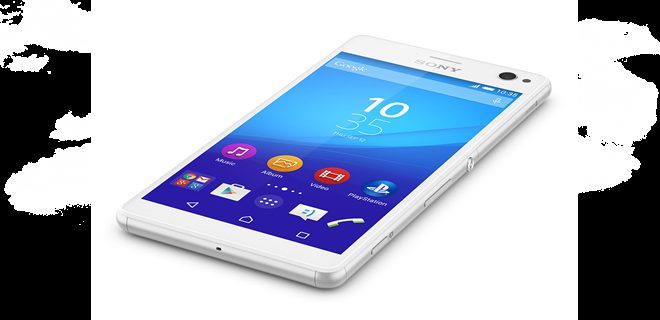
The display is a 5.5-inch IPS LCD panel. It offers Full HD resolution. That is 1080p. The screen is protected by scratch-resistant glass. Sony added Bravia 2 technology to enhance image processing. The result is a vibrant picture. The screen-to-body ratio sits at 71.68%. This means the phone feels substantial but not unwieldy.
The hardware inside is solid for mid-range performance. The MediaTek MT6752 chip runs at 1.7 GHz. It has eight cores. That is a lot of processing power for a device at this price point. The GPU is a Mali-T760 MP2. It handles graphics without breaking a sweat.
Memory is standard. You get 2 GB of RAM. Storage is 16 GB internally. That might feel tight today. But you can expand it. A microSD card supports up to 128 GB. So you can store photos, videos, and apps without worrying about space.
The camera setup is where things get interesting. The rear camera is 13 MP. It has an LED flash. It records video in 1080p Full HD. Standard stuff for a main camera.
But look at the front. The front camera is 5 MP. It has an 80-degree wide-angle lens. It also has a flash. This is rare. Most phones in this class don’t have a front flash. They rely on screen brightness or software processing. The Xperia C4 has a dedicated LED flash for the front camera. Why does this matter? Because selfies in low light are usually terrible

Why This Smartphone’s Front Camera and Screen Setup Defies Convention
The first thing you notice when you pick up this device isn’t the sleek silhouette or the hardware placement. It’s the camera.
Usually, we are conditioned to expect the rear module to house the primary imaging sensor and the LED flash. Here, that setup is mirrored on the front. Yes, you read that correctly. The front-facing camera and its accompanying flash sit prominently on the top bezel. It is an unusual choice that forces a reevaluation of how we think about smartphone ergonomics and selfie culture.
Beneath this dual setup lies the display. It is a 5.5-inch 1920x1080p panel. We are talking about Full HD resolution here. Not just HD. Full HD. The screen is treated to be scratch-resistant, which is a basic requirement for a high-end device, but the real story is under the glass.
Sony has integrated its proprietary BRAVIA Engine 2 image processor directly into the display chain. This is not just marketing fluff. This engine actively works on color reproduction and contrast ratios. It sharpens text and corrects line artifacts. The result is a reading experience that is significantly cleaner than standard LCD panels.
The design team squeezed every millimeter out of the chassis to achieve a 71.68% screen-to-body ratio. The borders are thin. The aesthetic is bold. It prioritizes immersion over traditional symmetry.
The Reality of Front-Facing Flash and Processing
Why put a flash on the front? It seems counterintuitive until you consider low-light selfies. Most phones struggle with shadowy faces in dim environments. This hardware configuration attempts to solve that by providing direct illumination for the front sensor.
The BRAVIA Engine 2 does the heavy lifting for visual quality. It takes the raw data from the screen and enhances it.
- Contrast enhancement makes blacks deeper and colors pop.
- Line correction ensures that text and UI elements look crisp, not jagged.
- Color accuracy is pushed to match Sony’s television standards.
The 5.5-inch size is substantial for a phone of this era. It offers a tablet-like viewing area without the bulk. The 1920x1080p resolution ensures that at a normal viewing distance, pixel density is high enough to hide individual pixels.
Screen-to-Body Ratio and Design Trade-offs
Achieving a 71.68% screen-to-body ratio required sacrificing some internal space for the front camera module and flash. The bezels are not non-existent. They are present. They house the sensors and the lighting.
But the trade-off is worth it for those who prioritize screen real estate. The thin borders create a sense of continuity. The eye is drawn to the content, not the frame.
The scratch-resistant coating adds a layer of durability. It protects the BRAVIA Engine 2 -enhanced surface from daily wear.
This is not a phone for purists who want minimal bezels at all costs. It is for users who want a bright, clear screen and better front-facing photography. The hardware choices are specific. They target a niche.
How BRAVIA Engine 2 Changes Viewing Experience
The BRAVIA Engine 2 is the
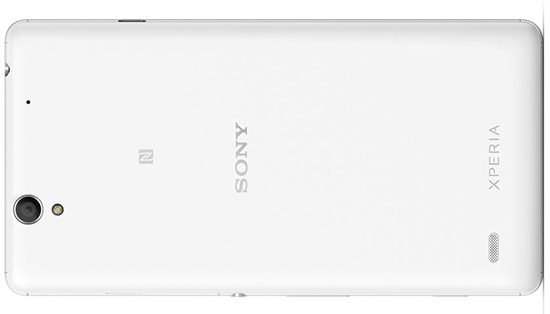

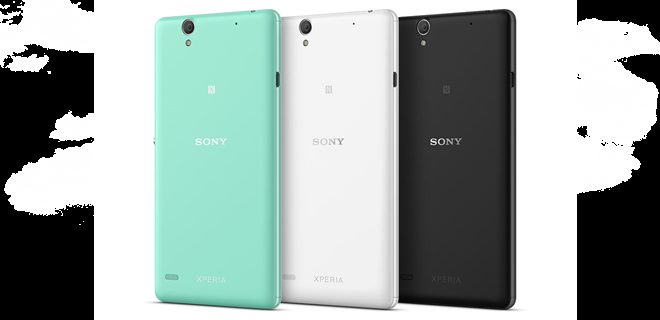
Look at the back. It’s not a total departure from the family aesthetic. You see the same DNA. But C4 steps away from the pack in subtle ways.
The camera module still lives in the top left corner. That’s standard Xperia protocol. Here, though, it’s nudged slightly toward the center. It feels less tucked away. Underneath the lens sits the LED flash. Straight down the middle, you’ve got the Sony branding and the NFC chip. Below that, the Xperia cluster logo. The speaker grill hides in the bottom left corner, right next to another logo.
Then there’s the frame. It’s plastic.
Given the price tag and the mid-range positioning, this isn’t a shocker. It makes sense. But it doesn’t lie about what it is. You don’t get that cold, solid click of metal. The quality feel just isn’t there. It feels like a compromise.
CAMERAS AND PERFORMANCE
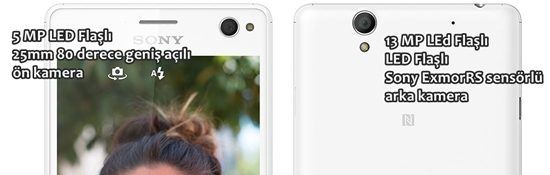

Telefon üreticileri her zaman kendi alanlarında iddialı oluyor. Sony için bu alan özçekim. Xperia C4’ün kalbi, tam da bu ihtiyaca cevap veren bir ön kamera. 5 megapiksellik bu lens, teknoloji dünyasındaki devlerden biri olan Sony Exmor R görüntü sensörüyle donatılmış. Bu ne anlama geliyor? Daha iyi ışıl işlem. Gündüz olsun gece olsun, yüzünüzün detayları daha net kalıyor.
Kamera 80 derece geniş açılı. Yani tek başınıza çekim yaparken yanınızdaki arkadaşınızı da kadraja sığdırmanız daha kolay. 25 mm odak uzaklığı bu açıyı destekliyor. Video çekmeyi sevenler için de iyi haberler var. Telefon, 720p HD formatında video kaydedebiliyor. Ama durun, sadece kayıt etmek yetmez. Steady Shot özelliği sayesinde titremeleri azaltıyor. Yürürken çekim yapsanız bile görüntü daha stabil kalıyor.
Otomatik özellikler de eksik değil. HDR desteği, yüksek kontrastlı ortamlarda dengeli bir fotoğraf çekmenizi sağlıyor. Peki ya gece? Karanlıkta çekim yaparken led flaş devreye giriyor. Bu, düşük ışıkta bile net sonuçlar almak için kritik bir detay. Yüz tanıma fonksiyonu ise odaklanmayı hızlandırıyor.
Arka kamera hikayesi ise biraz daha farklı. 13 megapiksellik Exmor RS sensör kullanılmış. Buradaki fark, hem görüntü sensöründe hem de dijital görüntü stabilizasyonunda yatıyor. Ön kameradaki Steady Shot ile karıştırmayın. Arka lens, daha gelişmiş bir stabilizasyon sistemi sunuyor.
LED flaş desteğiyle birlikte HDR, kırmızı göz düzeltme, yüz tanıma, gülümseme yakalama ve panorama modları mevcut. Sony’nin kendi kamera modları da bu listeye eklenince, kullanıcılar için üst düzey bir performans söz konusu. Peki video kalitesi ne düzeyde? Arka kamera sayesinde 1080p Full HD video kaydı mümkün. Bu da dijital görüntü stabilizasyonu ile destekleniyor. Yani hareketli sahnelerde bile akıcı bir video elde edebiliyorsunuz.
Bu özelliklerin gerçek hayatta ne anlamı var? Sabitlenmiş görüntü, izlerken başınızın dönmesini engeller. Geniş açılı ön kamera, seyahat anılarını tek başınıza bile kapsamlı şekilde kaydetmenizi sağlar. Exmor sensörleri ise her iki kamera tarafında da kalite standartını yükseltir. Sony, bu cihazda sadece sayılara odaklanmamış. Donanımı yazılımla harmanlayarak kullanıcı deneyimini ön plana koymuş.
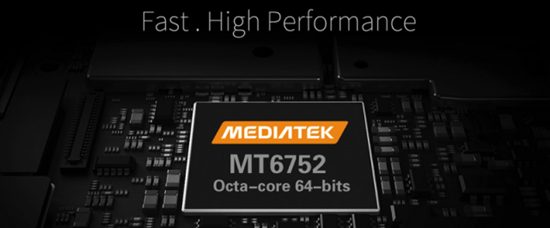

While Sony consistently turns to Qualcomm for its flagship devices, the strategy shifts for the mid-tier market. The company avoids the intense price wars by opting for MediaTek’s MT6752 chipset. This isn’t a random choice. It is a calculated move to keep costs down while maintaining acceptable performance.
You will see this specific processor across many mid-range phones. The specs are straightforward. It runs at 1.7 GHz with eight cores. Compared to Snapdragon alternatives, the MediaTek option offers a better price-to-performance ratio. It delivers enough power for daily tasks without breaking the bank.
Hardware Synergy Matters More Than Raw Speed
The processor does not work alone. It is paired with the Mali-T760 MP2 GPU and 2 GB of RAM. This combination is key. It ensures that gaming and app switching remain smooth. The system avoids the stuttering common in cheaper devices.
For most users, this setup is sufficient. You can expect fluid performance in standard applications. Heavy gaming might push it to its limits, but for everyday use, it holds up. Sony’s choice here prioritizes value over peak power. It is a practical solution for a market segment where every dollar counts.
The result is a device that feels responsive without the premium price tag. Is it the fastest phone on the market? No. But it balances cost and function in a way that appeals to the budget-conscious buyer. The hardware choices reflect a clear understanding of what mid-range users actually need.

Sony Xperia C4, temel konfigürasyonunda sadece 16 GB dahili depolama alanı sunuyor. Bu, günümüzün uygulama ve medya yoğunluğunda hemen dolu gelebilecek bir hacim. Ancak cihazın en büyük avantajlarından biri, 128 GB microSD kart desteği. Hafıza kartı desteği, özellikle fotoğraf ve video tutkunları için cihazın ömrünü uzatan kritik bir özellik. Yedekleme ve ekstra alan ihtiyacını bu sayede karşılayabiliyorsunuz.
Pil Ömrü ve Stamina Modu Etkinliği
Gövdeye sabitlenmiş 2.600 mAh kapasiteli pil, çıkarılamaz bir tasarıma sahip. Bu, kullanım sırasında fiziksel erişimi kısıtlasa da şarj ömrü yönetimi açısından Sony STAMINA modu devreye giriyor. Bu mod, arka plan aktivitelerini ve gereksiz bağlantıları optimize ederek 1 günü aşan kullanım süresi vaat ediyor. Yoğun kullanımda bile bir günün sonuna kadar rahatlıkla dayanabilen bu verimlilik, büyük ekranlı akıllı telefonlar için dikkate değer bir başarı.
Ses Kalitesi ve Radyo Özellikleri
Sony’nin kendi geliştirdiği ses teknolojileri Xperia C4’te de yer alıyor. Clear Bass, Clear Stereo, Clear Audio+, xLOUD ve Surround özellikleri, müzik dinleme deneyimini zenginleştiriyor. Özellikle bass ve stereo odalanma konularında belirgin bir iyileşme sağlıyor.
Ayrıca 4.5G desteği bulunan cihazda dahili radyo bulunuyor. Karasal yayını dinlerken internet bağlantısına veya mobil veri kullanımına ihtiyaç duymadan radyo programlarına erişebilmek, özellikle seyahat sırasında veya veri limiti durumunda büyük kolaylık.
Xperia C4 Fiyat ve Yorum
Xperia C4, sunduğu 16 GB dahili depolama ve microSD genişletilebilirlik seçeneğiyle giriş-orta segmentte yerini alıyor. 2.600 mAh pil ve STAMINA modu kombinasyonu, günlük kullanım için yeterli bir dayanıklılık sunuyor. Ses kalitesi tarafında Clear Audio+ ve Clear Bass gibi özellikler, müzik dinlemeyi seven kullanıcılar için cihazı öne çıkarıyor. 4.5G desteği ve dahili radyo, bağlantı ve medya tüketiminde esneklik sağlıyor. Fiyat/performans dengesini kurarken, depolama ihtiyacınızı microSD kartla karşılayabileceğinizi aklınızda bulundurmak, uzun vadede daha memnun kalmanızı sağlayabilir.
Bütçe dostu bir Android deneyimi mi arıyorsunuz? Sony Xperia C4 fiyatı genellikle 950 ile 1.100 TL bandında seyrediyor. Bu aralık, özellikle Türkiye piyasasında orta segmentte ciddi bir oyuncu olduğunu gösteriyor. Ancak sadece fiyat etiketine bakmak yanıltıcıdır.
Neden Android 6 Marshmallow beklenmeli?
Telefonun en büyük silahlarından biri donanımı değil, yazılım desteğidir. Sony, Sony Xperia C4 modeline Android 6 Marshmallow güncellemesi vaat ediyor. Bu, sadece bir sürüm artışı değil, uzun vadeli bir taahhüttür.
Peki bu neden önemli?
- Eski sürümlerdeki güvenlik açıkları kapanır.
- Uygulama uyumluluğu artar.
- Sistem kararlılığı yükselir.
Rakipleri çoğunlukla güncellenmezken, bu telefonun ayakta kalma şansı daha yüksek.
Kimler için uygun?
Cihaz hedef kitlesini net bir şekilde çiziyor. Gençler. Ve tabii ki özçekim (selfie) sevenler.
Ön kameradaki 5 megapiksellik sensör ve geniş ekran, sosyal medya etkileşimi için tasarlanmış gibi duruyor. Ekran boyutu büyük. Oyun oynarken veya film izlerken rahatsız edici bir sıkışma hissi yaratmıyor.
Editör Yorumu
Sony Xperia C4, özellikle düşük bütçeli kullanıcılar için stratejik bir tercih olabilir. Başarılı ön kameraları ve rahat ekran deneyimi, günlük kullanımı keyifli kılıyor.
Ancak asıl avantaj, fiyat-performans dengesi ve yazılım güncelliği. Eğer elinizdeki bütçe 1.000 TL ile sınırlıysa;
- Büyük ekran istiyorsanız.
- Sık sık selfie çekiyorsanız.
- İşletim sisteminizin güncel kalmasını önemsiyorsanız.
Bu model mantıklı bir tercih olacaktır. Piyasada daha ucuz alternatifler var mı? Evet. Ama Android 6 garantisiyle gelen bir seçenek değil çoğu.
Sonuç olarak, bu telefon her ihtiyaca cevap vermiyor. Ama spesifik bir ihtiyaç için — bütçe, ekran ve kamera odaklı bir kullanım — tam yerinde. Diğer taraftan, oyun performansından çok şey beklememek gerekir. Bu bilinçli bir alışveriş gerektiriyor.