It looks like a simple metal cylinder. To a soldier, it’s a delivery system for chaos. To a historian, it’s a timeline of engineering. The word shell covers a lot of ground. It can mean the case holding a bullet. It can refer to the entire cartridge in a shotgun. But its most violent history belongs to artillery projectiles. These things changed how wars were fought. They changed how we think about distance and destruction.
The Early Days of Bursting Fire
Artillery shells weren’t always explosive. In the 15th century, they were just containers. You’d fill them with metal balls or stones. The gun fired them out. The container burst. The stones scattered. It was crude. It was effective enough for its time.
Then came the explosion. By the 16th century, hollow cast-iron balls filled with gunpowder appeared. People called them bombs. A fuse was driven into the side. It was a slow-burning tube. It lit the powder. The shell detonated in the air. Or on impact. It depended on the timing.
For centuries, these weapons had limits. They were used for high-angle fire. Think mortars. They were confined to land warfare. You couldn’t really use them at sea with any real precision. That would take longer to figure out.
The 19th Century Shift
Everything changed in the 1800s. Artillery shifted to direct fire. This meant aiming straight at the target. Not arcing over walls. The shrapnel shell became notable here. It wasn’t just a big boom anymore. It was a spread of deadly metal. It changed the geometry of battlefields.
Inside the Modern Shell
Today, a high-explosive shell is a complex assembly. It isn’t just a can with powder. It has distinct parts.
– A shell casing.
– A propelling charge.
– A bursting charge.
The process is precise. A primer at the base ignites the propellant. It pushes the shell out of the barrel. Then, a fuse in the nose triggers the bursting charge. The timing matters. If the fuse is too slow, the shell might bury itself in the ground. If it’s too fast, it won’t reach the target.
Not all shells are designed to explode. Some are designed to punch through. An armour-piercing shell has a specific anatomy. It has a hollow pointed nose. This acts as a windshield. It cuts through the enemy’s armor. Behind that is a heavy, blunt cap. Then comes the steel core. The bursting charge is tucked at the base. It’s a secondary effect. The primary goal is penetration.
High-velocity types might use a tungsten carbide core. Tungsten is dense. It’s hard. It doesn’t deform easily. It hits with immense force. Steel has largely replaced brass for cartridge cases. Brass is expensive. Steel is cheaper. It works fine.
Rifle, Pistol, and Shotgun Terminology
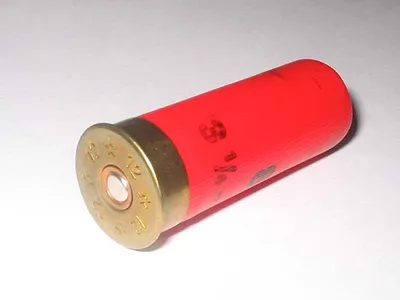
The word shell gets confusing when you move to smaller arms. In rifle, pistol, or machine-gun ammunition, the shell usually just means the casing. It’s the brass container. It holds the propulsive charge. The bullet sits in the neck. The primer is in a cup at the opposite end