


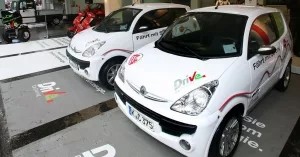
Gas prices climb. Parking spots vanish. The guilt of sitting in a stalled engine while watching the meter tick up. It is a familiar scene in almost every major city, and it is driving a quiet revolution. People are starting to ask a simple, uncomfortable question: why own a car at all?
The answer lies in efficiency. Or rather, the lack of it in traditional ownership.
A private vehicle sits parked for roughly 95% of its life. That is nearly four full days a week where the metal shell, the insurance policy, and the depreciation cost money without moving an inch. Carsharing flips this model. You pay for what you use. Not a month. Not a year. Just the minutes and kilometers that matter.
This isn’t just about saving cash, though that helps. It is about flexibility.
How Carsharing Works in Practice
The mechanism is straightforward but powerful. You download an app. You find a car nearby. You unlock it with your phone. You drive. You return it. Done.
No keys. No waiting in line at a rental counter. No hidden fees for minor scratches (usually covered by insurance packages). It feels less like renting a hotel room and more like borrowing a neighbor’s tool—except the tool happens to be a reliable sedan with a full tank.
For urban dwellers, this model solves the parking paradox. Why pay for a spot you don’t need every night? Why buy insurance for a car that sits in a garage for 23 hours a day?
Why the Shift is Happening Now
Several factors converge to make carsharing more than just a trend. It is a structural shift in how we view mobility.
- Rising Costs: Fuel and maintenance are expensive. Insurance premiums follow suit. When you add depreciation, the total cost of ownership becomes staggering.
- Urban Congestion: Cities are shrinking in available space. Parking garages are expensive to build and maintain. Street parking is a luxury few can afford daily.
- Environmental Awareness: Fewer cars on the road means less pollution. Carsharing fleets often include electric or hybrid vehicles, reducing the carbon footprint per trip.
- Convenience: The app-based model removes friction. You don’t need to plan ahead. You don’t need to coordinate with a friend who has the keys.
Is Carsharing Right for You?
It depends on your lifestyle. If you live in a dense city with good public transit, carsharing might be all you need. For weekend trips, grocery runs, or late-night errands, having access to a car without the burden of ownership is liberating.
However, if you commute long distances daily or live in a rural area with sparse service coverage, the math might not work out. Distance matters. Availability matters.
For many, though, the appeal is clear. It is about reclaiming time, money, and sanity. Imagine never worrying about an oil change again. Imagine never hunting for parking in a snowstorm. Imagine paying only when you actually use the vehicle.
This is not just a change in transportation. It is a change in mindset. From ownership to access. From burden to benefit.
The question is no longer whether carsharing works. It is whether you can afford to keep doing things the
The numbers don’t lie. Carsharing is exploding in popularity. What was once a niche hobby, occasionally met with skeptical eye-rolls a few years ago, is now a staple of urban mobility. But why the shift? As the number of cars on the road climbs and new operators flood the market, the value proposition has never been clearer. If you’re looking for a carsharing advantage over traditional ownership or rental, the reality is often simpler—and more convenient—than you might expect.
Modern tech is standard, not a luxury
Sure, cleanliness depends on the previous driver. We can’t control that. But the hardware itself? That’s usually top-tier. Most major providers don’t bother with beater cars. They stock their fleets with modern models that feel like an upgrade from your average commute vehicle.
Built-in navigation is basically standard issue now. No more fumbling with your phone on a mount that’s barely attached. You’ve got heated seats. You’ve got ports for charging your device. Need to stream music or check maps while a friend drives? The connectivity is there. And if something breaks? You don’t call a mechanic. You call the provider. The support structure is built into the app. It’s frictionless by design.
No hidden costs for insurance, fuel, or maintenance
This is the big one. The reason people switch. When you pay the rental fee, you’re paying for everything else. Insurance. Gas. Depreciation. Wear and tear.
In a traditional rental, you might get lucky with a fuel policy. In carsharing, the math is straightforward. You aren’t footing the bill for skyrocketing gasoline prices in the same way you would if you owned the car. Yes, there’s often a deductible (the Selbstbehalt ). You should compare these amounts across providers. But generally, the baseline cost covers the essentials.
Refueling is handled directly through the provider’s system. Drive to a partner station, swipe the provider’s card, and you’re done. Some even give you free minutes for the stop. It removes the mental load of calculating cost-per-mile vs. gas prices.
You don’t pay for the wrench
Old car owners know the dread. The check engine light comes on. Or the transmission slips. The trip to the workshop feels like a financial hit.
With carsharing, that risk vanishes. Regular maintenance? The provider covers it. Normal wear and tear? On them. If the car needs attention, you just return it. The administrative and financial burden of upkeep is entirely off your shoulders.
There is a caveat, of course. If you cause an accident due to your own negligence, that deductible comes into play. And cross-border travel? Often prohibited. If you drive into another country and crash, you’re on your own because the insurance doesn’t cover it. Keep it local. Respect the borders.
Parking is surprisingly forgiving
Urban parking is a nightmare for private owners. You pay for permits. You hunt for spots. You worry about scratch tickets.
Carsharers often have access to designated zones. In some cities, specific spots are reserved exclusively for shared fleets. Better yet? Many of these spots are free. You don’t need a ticket. You just pull in, lock the car, and leave.
But read the rules. Just because it’s a shared car doesn’t mean you can park anywhere. Illegal parking still results in fines. And unlike a private car where the fine is yours alone, carsharing companies add their own administrative penalties on top of the municipal ticket. It gets expensive fast. Park correctly, and the convenience is unmatched.
Flexible pricing models for every trip
Competition drives innovation. In big cities, providers are fighting for your business, which means pricing structures are evolving rapidly. You aren’t locked into a single rate.
Yes, you can still pay per minute. But for longer trips, hourly packages are often cheaper. Some operators even charge by distance rather than time. This matters if you’re sitting in traffic. Time-based billing punishes you for gridlock. Distance-based billing doesn’t.
There is no single “best” plan. It depends on what you’re doing.
- Duration: Do you need the car for 20 minutes or 6 hours?
- Space: Are you buying weekly groceries (need trunk space) or going to a concert (minimal gear)?
- Risk tolerance: What is the deductible?
- Availability: How many cars are in your immediate vicinity?
The right choice depends on matching the tool to the task.
The shift toward micro-mobility integration
It’s not just about cars anymore. The ecosystem is expanding. Many users now view carsharing as the heavy lifter in a multi-modal toolkit. You take the e-scooter or bike for the first mile. You switch to a shared car for the highway leg. You end with a walk.
This hybrid approach is changing how cities think about space. It reduces the need for private ownership. It lowers the barrier to entry for those who need a car occasionally but not daily.
The trend is accelerating. As more providers enter the market, prices may stabilize or drop. As technology improves, the experience becomes smoother. The question isn’t really if you should try it. It’s when you’ll stop buying fuel for a car you barely use.
The infrastructure is already there. The options are clearer than ever. The only barrier is the habit of ownership.
Why signing up for multiple car-sharing services makes sense
Most car-sharing companies don’t charge a monthly subscription fee. They only bill you when you actually drive a car. This pricing model changes the math for people who want more flexibility.
You can register with several providers at once. There is no penalty for having multiple accounts. If one service doesn’t have a car nearby, you can try another. This is a practical workaround for gaps in coverage. It works well for those who need a vehicle occasionally but want options.
The key is to avoid fixed costs. You pay only for the time you use. This keeps your expenses low if you drive rarely. It also reduces the risk of being stuck without a ride. When one app shows no cars, another might have one available.
This approach suits drivers who prioritize access over ownership. You aren’t locked into one brand. You can switch based on price or availability. It’s a low-commitment way to stay mobile. The more options you have, the easier it becomes to find a car when you need it.


