Heat hits hard. So does dirty air. Most people just go to work and try to ignore it. A new pilot study argues we can’t just guess how it’s hurting us anymore. Researchers at The City University of New City (CUNY) have a different plan. They want the data to come directly from the people walking through it.
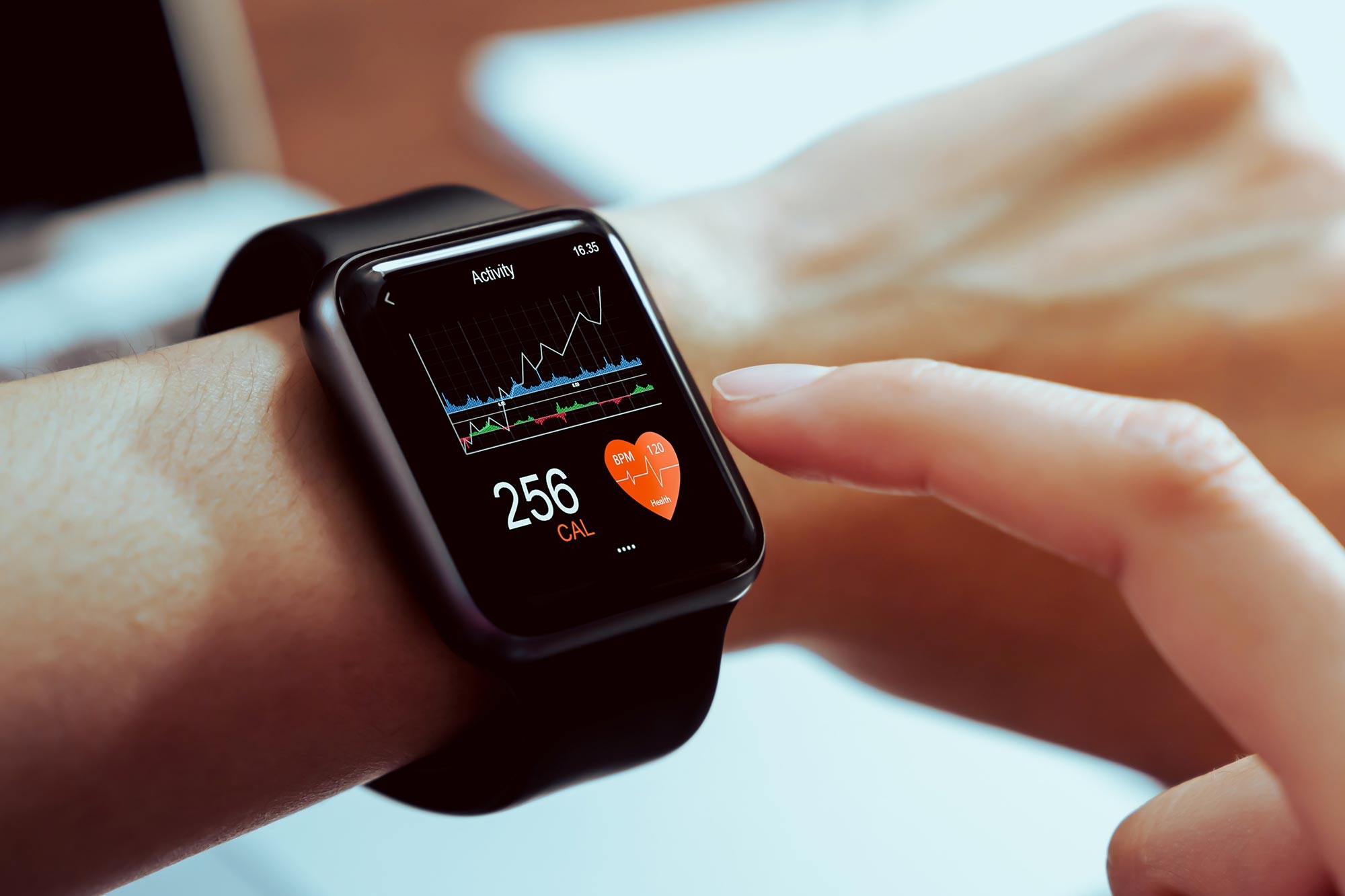
By stitching together Fitbit metrics, smartphone GPS tracks, and rapid-fire mood surveys, they mapped out the invisible health tax paid by urban dwellers.
“People move through many different environments each_day, and this approach lets us capture that in real time.” — Sameera Ramjan
It’s published in JMIR Formative Research. The team isn’t huge—Ramjan and Melissa Blum are co-first authors, alongside Rung Yu Tseng, Katherine Davae, Duke Shereen. Yoko Nomura steers the ship as senior author. They watched participants for roughly a month.
Numbers Don’t Lie (But They Do Surprise)
Here’s how it works. You wear the watch. You fill out those annoying but quick surveys on your phone a few times a day. The phone tells you where you are. The algorithm guesses the pollution mix based on your path.
Nitrogen dioxide. Sulfur dioxide. Particulate matter. The usual suspects.
The results came in faster than expected. Patterns emerged. When heat and NO2 spiked, heart rate variability dipped. That’s not just a stat; it means the body’s recovery from stress is slowing down.
Then there was the sulfur. SO2 went up. Feelings of nervousness and hopelessness followed closely behind. It makes sense in a grim sort of way. Breathe poison. Feel bad.
But wait.
Higher heat exposure actually linked to less reported sadness.
That sounds counterintuitive. Doesn’t heat stress people? Maybe. Or maybe people went outside more. Maybe they talked to neighbors. Social interaction helps. The authors note we need bigger studies to confirm this, but the idea stands: environment changes mood, and not always in the way you expect.
“We could see that the relationship is more complex than traditional methods can capture.” — Melissa Blum
Stationary monitors on street corners miss the individual journey. This method follows you.
The First of Its Kind?
Nomura calls it a first.
First to merge wearables, continuous GPS, and ecological momentary assessments into one cohesive picture. It’s small scale, sure. A pilot. But it bridges a gap. Consumer tech meets environmental epidemiology.
They didn’t get everything right immediately. Usability issues cropped up. People got lazy with the surveys. Adherence dipped.
That’s okay. It’s science. They fixed it. The system is updated.
Now the real work begins. The National Institutes of Health (NIHV) is backing the next phase. This isn’t about office workers anymore. The new target? Adolescent brain development. Pregnant people. The most vulnerable.
“This integration… could open the door to personalized approaches for preventive medicine.” — Yoko Nomura
Who Wins?
Think about the kids. Their brains are still forming. If toxic air or extreme heat alters that trajectory, the cost is measured in decades. Not days.
This technology might eventually end up in clinics. Imagine a doctor checking your air exposure log alongside your blood pressure. Maybe the advice shifts from “take medication” to “stay indoors on Tuesday afternoon.”
Is that a cure? No. But it’s visibility. And right now, vulnerable groups—the homeless, those in lower-income zones—breathe the worst air and feel the hottest streets first.
Nomura stays cautious. Small sample size. Don’t read too much into it yet. But she believes the tool works. She believes it scales.
We keep moving forward into warmer, thicker air. We have the devices to tell us how it hurts us now. The question isn’t really about the technology anymore. It’s what we do with the warning.
Reference:
“Feasibility of Integrating Werable Devices and Ecological Momentary Aessment for Real-Time Environmental Exposure estimation: proof-of-Concept Study” by Sameera Ramjan et al., May 8, 2026, JMIR Formative Research. DOI: 10.2916/86651. (Funding via PSC-CUNy research grant.)