A new study from the USC Leonard Davis School of Gerontology offers a compelling biological explanation for why the Mediterranean diet is so effective. The research suggests that this eating pattern doesn’t just provide nutrients; it activates specific mitochondrial microproteins within our cells that protect against aging and disease.
This discovery marks a significant shift toward “precision nutrition,” a field where biomarkers could eventually help doctors prescribe personalized diets to support longevity and health.
Unlocking the Cellular Mechanism
The core finding of the study, led by Instructional Associate Professor Roberto Vicinanza, is that individuals who closely adhere to a Mediterranean-style diet have significantly higher levels of two specific mitochondrial microproteins: Humanin and SHMOOSE.
Mitochondria are often called the “powerhouses” of the cell, responsible for generating energy. However, researchers are only beginning to understand that they also produce small proteins that act as molecular messengers. These microproteins influence how cells function, repair themselves, and age.
“These microproteins may act as molecular messengers that translate what we eat into how our cells function and age,” explained Vicinanza. “It’s a new biological pathway that helps explain why the Mediterranean diet is so powerful.”
Key Proteins and Their Protective Roles
The two proteins identified in the study have distinct roles in protecting the body:
- Humanin: Discovered in 2003 by senior author Pinchas Cohen, this peptide is linked to improved insulin sensitivity, cardiovascular protection, and preserved cognitive function.
- SHMOOSE: This microprotein is associated with brain health. While genetic variants of SHMOOSE are linked to an increased risk of Alzheimer’s disease, the normal form of the protein helps protect neurons from damage caused by amyloid buildup.
The study found that participants with the highest adherence to the Mediterranean diet had more of these protective proteins and lower markers of oxidative stress —a process that contributes to aging and chronic diseases like heart disease and diabetes.
Which Foods Trigger the Response?
Not all components of the diet appear to have the same effect. The researchers identified specific dietary triggers for these microproteins:
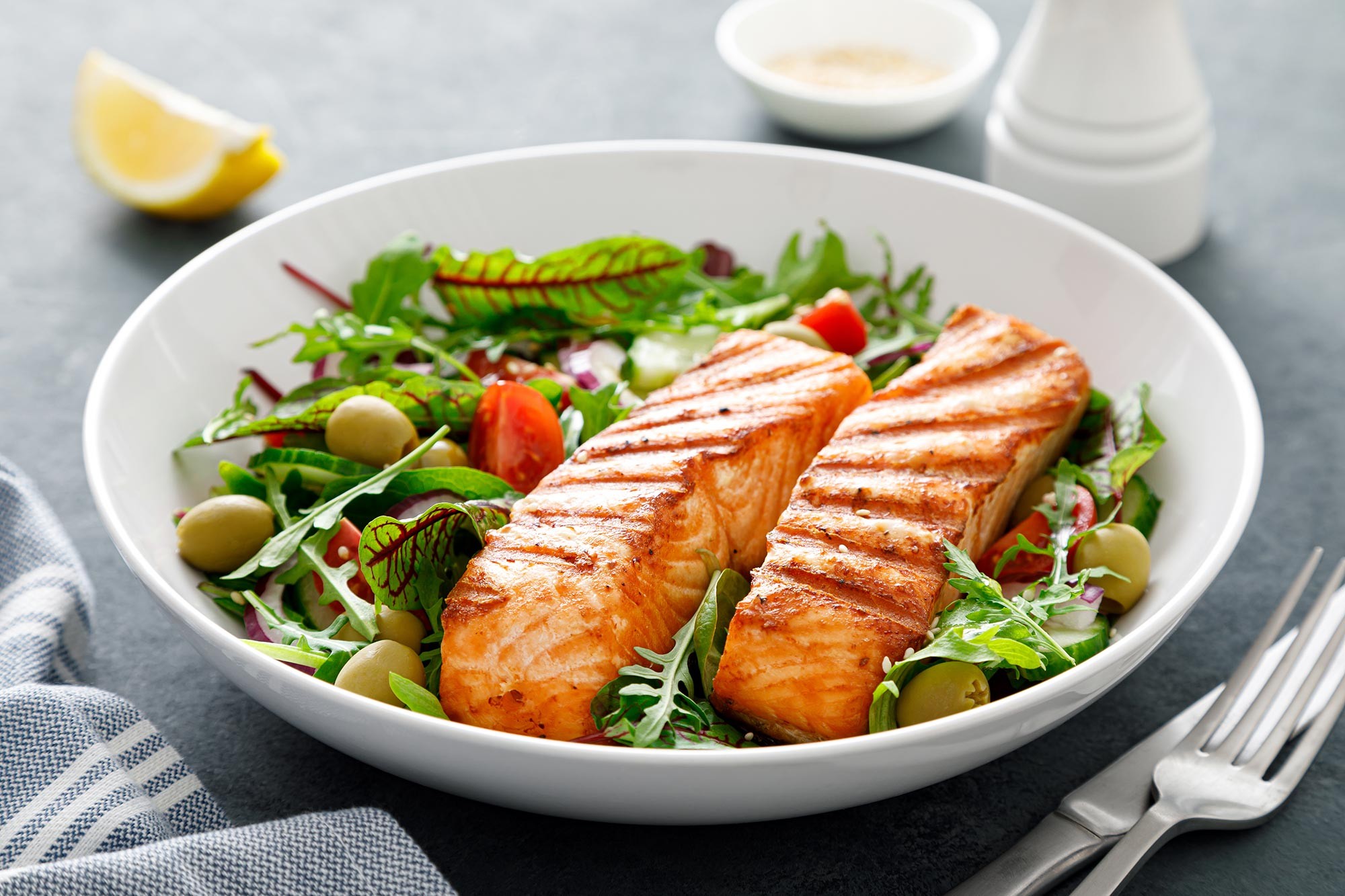
- Olive oil, fish, and legumes were associated with higher levels of Humanin.
- Olive oil and a lower consumption of refined carbohydrates were linked to higher levels of SHMOOSE.
This suggests that it is not just the general style of eating, but specific whole foods that directly influence mitochondrial biology.
A New Mechanism for Heart Health
The study also uncovered a potential link between Humanin and heart health through an enzyme called Nox2. Nox2 generates reactive oxygen species, which can cause harmful oxidative stress.
Higher levels of Humanin were associated with lower Nox2 activity. This implies a dual mechanism: the Mediterranean diet may reduce oxidative stress directly while simultaneously boosting microproteins that suppress damaging biological processes.
“This could represent a new cardioprotective mechanism of the Mediterranean diet,” noted Vicinanza.
From Ancient Traditions to Molecular Biology
This research bridges the gap between traditional dietary wisdom and modern molecular biology. Vicinanza, who has worked to promote the Mediterranean diet globally—including collaborating on the creation of the International Day of the Mediterranean Diet at the United Nations—sees these findings as validation of ancient eating patterns.
He argues that humans have evolved over millennia to process diets rich in whole, unprocessed foods. Consequently, our mitochondria—ancient cellular organelles—are adapted to thrive on such nutrition.
The Future of Precision Nutrition
While the current study was small and observational, meaning it shows association rather than cause-and-effect, it points to a promising future for healthcare. The next step is to determine if specific dietary interventions can deliberately raise Humanin and SHMOOSE levels to lower disease risk.
“Our goal is to move from observing associations to understanding causality,” said Vicinanza. “If we can harness these pathways, we may be able to design nutritional strategies that promote healthy aging at the molecular level.”
In summary, this research provides a tangible, cellular reason to embrace whole foods: specific components like olive oil and fish may activate the body’s own internal protection systems, offering a natural defense against aging and chronic disease.