A growing trend of patients requesting blood transfusions specifically from unvaccinated donors is creating significant logistical hurdles and serious medical risks. Recent findings from Vanderbilt University Medical Center reveal that these requests, fueled by misinformation regarding COVID-19 vaccines, are leading to treatment delays that can have life-threatening consequences.
The Rise of “Directed Donations”
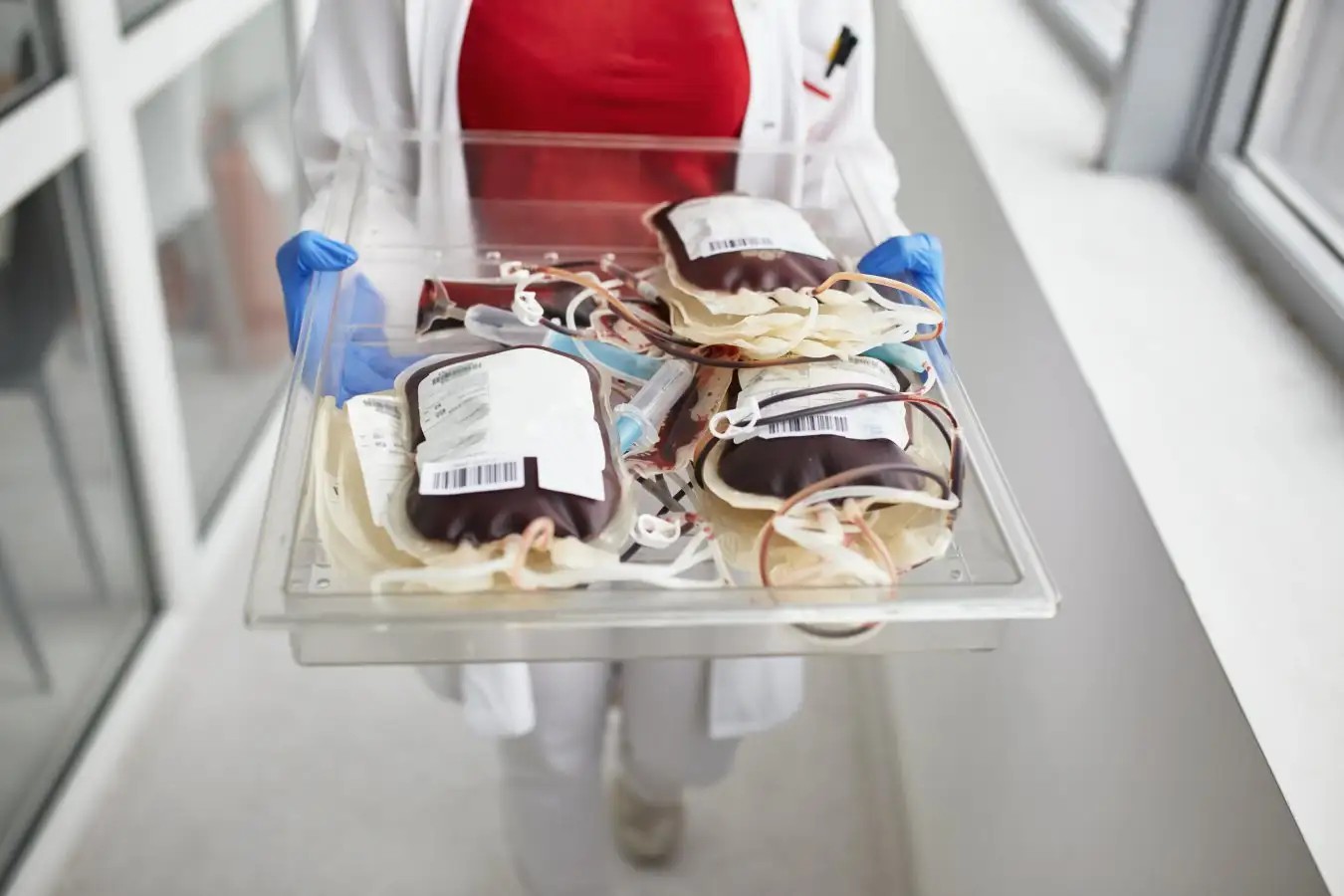
Researchers at Vanderbilt analyzed blood donation data between January 2024 and December 2025, identifying 15 instances where patients or their caregivers requested directed donations. Unlike routine transfusions drawn from a general community blood bank, a directed donation involves a specific individual—often a relative—donating blood for a single recipient.
While directed donations are permitted in the United States, they are generally discouraged by medical professionals due to their complexity. In countries like the UK and Australia, the practice is strictly limited to exceptional cases, such as patients with rare blood types.
The study found a consistent pattern: all 15 requests were driven by a desire for blood from donors who had not received the COVID-19 vaccine.
Medical Risks and Operational Burdens
The pursuit of “unvaccinated blood” is not merely a logistical inconvenience; it is a direct threat to patient safety. The study highlighted several critical issues:
- Treatment Delays: Finding specific, unvaccinated donors takes significantly longer than accessing the standard blood supply.
- Critical Health Declines: One patient experienced a life-threatening drop in hemoglobin levels—the protein responsible for transporting oxygen—which can lead to organ failure. Another patient developed anemia as a result of the delay.
- Increased Infection Risk: Directed donations can be riskier than routine donations. Because they are often one-off events rather than contributions from regular, screened donors, they lack the rigorous, long-term oversight associated with community blood banks.
“Directed donation is operationally more complex than using the routine blood supply,” explains Jeremy Jacobs of Vanderbilt University Medical Center. “It requires additional coordination, collection, processing, tracking, and timing.”
The Role of Misinformation
Medical experts emphasize that there is no scientific evidence to suggest that vaccinated blood is less safe. The blood supply is already subject to highly regulated screening processes designed to ensure safety regardless of a donor’s vaccination status.
The demand for unvaccinated blood appears to be a symptom of broader societal skepticism. Despite repeated research confirming the safety and efficacy of mRNA vaccines, conspiracy theories—ranging from false claims about fertility to unfounded rumors about DNA alteration—continue to influence patient decisions.
A Global Trend
This phenomenon is not isolated to a single hospital. The trend is surfacing across various regions:
– The UK: The Welsh Blood Service has reported inquiries regarding donor vaccination status, and a petition to split the blood supply by vaccination status was recently rejected.
– The US: In Oklahoma, legislators have even proposed laws to mandate patient access to unvaccinated blood.
Experts note that while these requests reflect a deep-seated public uncertainty, they create a “real operational burden” for the healthcare system.
Conclusion
The demand for unvaccinated blood donors is driven by misinformation rather than medical necessity, creating dangerous delays in care and placing unnecessary strain on hospital resources. Addressing these concerns requires a delicate balance of respecting patient autonomy while firmly communicating evidence-based medical facts.