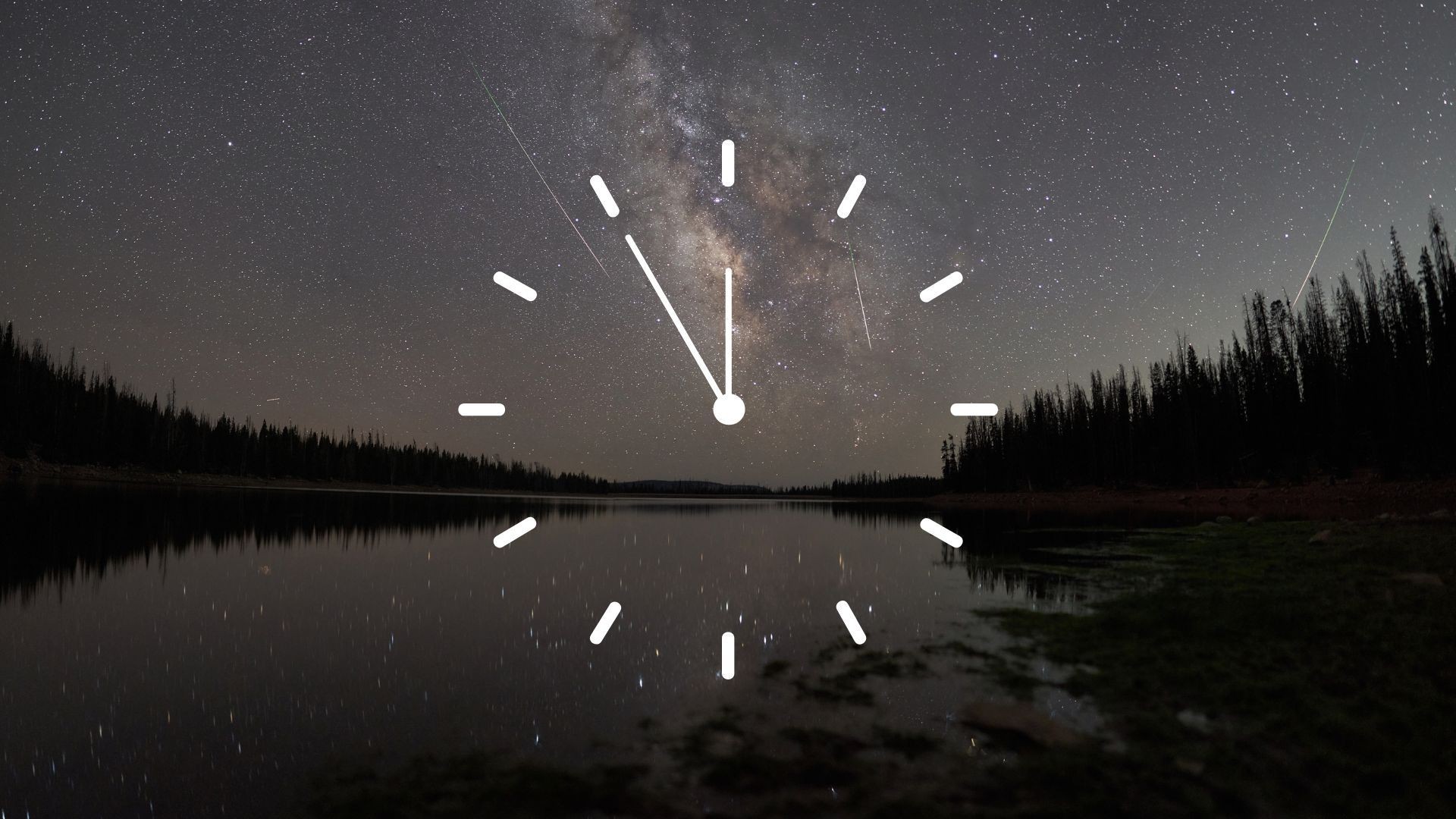
The Eta Aquarid meteor shower is approaching its peak, offering skywatchers a chance to witness the cosmic debris trail left behind by the famous Halley’s Comet. As Earth plows through this stream of cometary dust, fast-moving meteors will streak across the night sky. However, for many observers, the viewing experience will be significantly impacted by lunar interference.
Peak Activity and Global Viewing Conditions
In 2026, the Eta Aquarids are active from April 19 to May 28, with the broad peak occurring overnight on May 5–6. The optimal viewing window is during the predawn hours of May 6, particularly for those in the northern hemisphere, when the shower’s radiant point reaches its highest altitude.
Viewing potential varies drastically by location:
- Southern Hemisphere (Tropics): This region offers the best vantage point. Under ideal conditions, observers may see up to 50 meteors per hour, according to the American Meteor Society.
- Northern Hemisphere: Conditions are less favorable. While theoretical rates suggest 10–30 meteors per hour, practical sightings may be lower due to environmental factors.
The Moon Factor: A Major Obstacle
The primary challenge for northern hemisphere viewers is the moon. On the night of May 5–6, a waning gibbous moon (84% illuminated) will rise shortly after midnight from the southeastern horizon.
This bright lunar disk floods the night sky with light, washing out fainter meteors. Consequently, the actual hourly rate for northern observers could drop to under 10 sightings. The moon’s glare will make it difficult to spot the subtle, dimmer streaks that characterize much of the shower.
How to Locate and View the Shower
Despite the moonlight, the Eta Aquarids remain a worthwhile target for patient stargazers. Here is how to optimize your viewing experience:
- Find the Radiant: Locate the constellation Aquarius, which rises above the eastern horizon roughly three hours after midnight for U.S. observers. It will appear to the left of the bright waning moon.
- Use Technology: Due to the moon’s glare, using a smartphone astronomy app like Stellarium or SkySafari 7 Pro can help pinpoint the radiant point accurately.
- Look Away from the Radiant: Meteors do not only shoot out from the radiant point. Find a patch of sky approximately 40 degrees away from Aquarius (roughly the width of four clenched fists held at arm’s length). This is where meteors travel longest across the sky, making them more visible and impressive.
- Watch for Trains: Eta Aquarid meteors are known for their high speed and often leave persistent glowing trains in their wake. Look for these lingering trails, which can be more striking than the initial flash.
Capturing the Moment
While the naked eye provides a direct connection to the event, astrophotography can capture details invisible to human vision. If you are interested in documenting the shower, consider reviewing guides on photographing shooting stars and selecting appropriate cameras and lenses for astrophotography. Long-exposure shots can reveal the fainter meteors obscured by moonlight to the naked eye.
The Eta Aquarids offer a unique glimpse into the solar system’s history, connecting modern observers to the periodic return of Halley’s Comet. While the moon complicates viewing in the north, the shower’s speed and glowing trails make it a compelling celestial event for the dedicated skywatcher.