It almost disappeared. Gone. Erased.
Now it’s back.
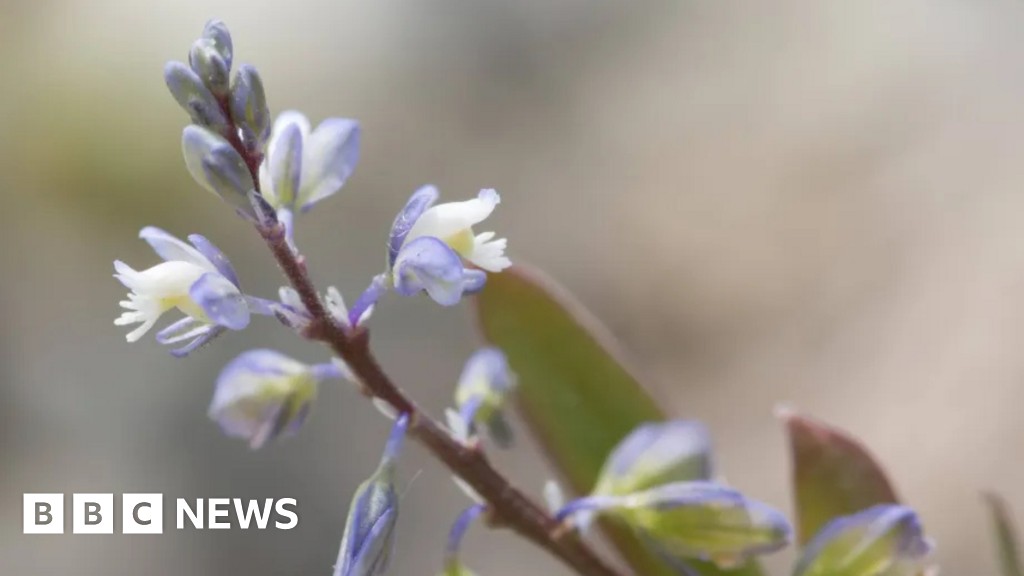
The Kentish milkwort has bounced back from the very edge of extinction. Seven-fold increase in population. That is a big deal.
At Queendown Warren near Sittingbourne in Kent, wildlife trackers counted 1,245 of these plants. Self-sown. Wild. This single spot holds the largest population of the species left in the entire UK.
“We hope the population will continue to continue to spread… allowing us to collect seed for future restortion work at other suitable locations.” — Rob Pennington
Who did it? It wasn’t magic.
The Kent Wildlife Trust led the charge. They partnered with The Species Recovery Trust. Royal Botanic Gardens, K was there too. Plus local volunteers. The people who actually show up in the mud.
Here is the history.
The plant was on the verge of total loss by 2013. Before that it had two strongholds: one in northern England and one in Kent. Then they vanished. Down to a handful of individuals across three sites. Barely clinging on.
To save them they didn’t wait for luck.
Seeds were ripped from the strongest remaining population. Taken to Kew. Grown. Cultivated. A secure seed stock was made so wild plants wouldn’t have to carry the entire species’ future on their fragile stems.
Then between 2018 and the next year new seed collections happened. More plants grew. More reintroductions occurred. Pennington called it incredible. He wasn’t exaggerating.
So where does it go from here?
It doesn’t just stop because we are happy. The ground has to stay open. That is what the milkwort needs. No dense scrub.
Pigs.
Yes, pigs. They go into Queendown Warren to trample and dig. Disturbed ground. They create the messy chaos the species requires.
Future plans involve moving the plant to other suitable chalk grassland sites. Strengthening the roots in Kent. Expanding the footprint.
It survives because people pushed back. The pig rolls the dirt. The volunteer bends over. The trust plans.
Will it last forever?
No plant does. But for now the count is ticking up.