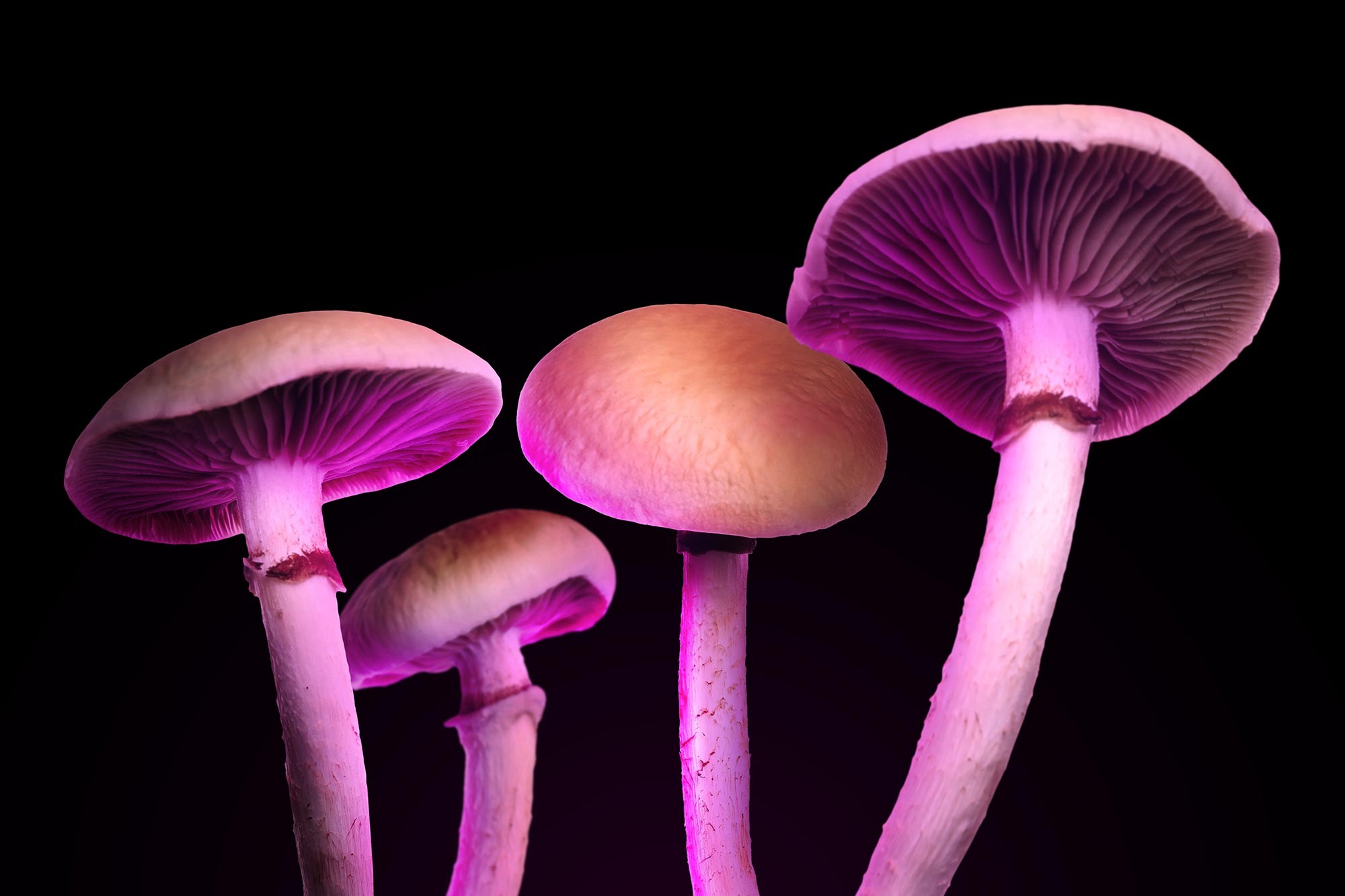
A single dose of psilocybin—the active compound in magic mushrooms—can trigger physical changes in the human brain that persist for at least a month, according to a groundbreaking new study. Researchers from UC San Francisco and Imperial College London found that this psychedelic experience increases brain “complexity,” potentially explaining why psilocybin shows such promise in treating depression, anxiety, and addiction.
Published in Nature Communications, the study offers a rare glimpse into the biological mechanisms behind psychedelic therapy. It suggests that the profound psychological insights experienced during a “trip” are not just subjective feelings, but measurable shifts in neural activity that may rewire the brain for the better.
The Link Between Brain Entropy and Insight
The core of the discovery lies in the concept of brain entropy. In neuroscience, entropy refers to the unpredictability or complexity of brain activity. A highly ordered brain follows rigid, predictable patterns; a high-entropy brain processes a wider variety of information simultaneously.
The researchers monitored 28 healthy volunteers who had never used psychedelics before. The study was designed as a crossover trial:
1. Phase 1: Participants received a low, placebo-like dose (1 mg) of psilocybin.
2. Phase 2: One month later, the same participants received a high, active dose (25 mg).
This design allowed scientists to directly compare the effects of the psychedelic experience against a baseline, controlling for individual differences.
During the high-dose session, EEG scans revealed a significant spike in brain entropy within 60 minutes of ingestion. Crucially, the degree of this increase correlated directly with the participants’ self-reported levels of psychological insight the following day. Those whose brains showed the greatest increase in complexity reported the most profound sense of understanding and emotional clarity.
Physical Changes Lasting Weeks
While the immediate psychedelic experience fades, the structural changes in the brain appear to endure. One month after the high-dose session, diffusion tensor imaging (DTI) scans showed that participants’ neural pathways had become denser and more organized.
This finding is particularly significant because aging and many mental health conditions are typically associated with the diffusion or weakening of these connections. Psilocybin, conversely, seemed to reverse this trend, creating a more efficient and structured neural network.
“Psilocybin seems to loosen up stereotyped patterns of brain activity and give people the ability to revise entrenched patterns of thought,” said Taylor Lyons, PhD, first author of the study and a research associate at Imperial College London. “The fact that these changes track with insight and improved well-being is especially exciting.”
From Insight to Well-Being
The study provides a clear pathway from biological change to psychological benefit:
- Immediate Effect: High doses increase brain entropy (complexity).
- Short-Term Result: Higher entropy leads to greater psychological insight the next day.
- Long-Term Outcome: Greater insight correlates with improved well-being and cognitive flexibility one month later.
Participants reported feeling more optimistic about the future and better equipped to handle problems. They also performed better on tests measuring cognitive flexibility—the mental ability to switch between thinking about two different concepts.
Robin Carhart-Harris, PhD, senior author and professor at UCSF, emphasized the importance of the experience itself: “Psychedelic means ‘psyche-revealing,’ or making the psyche visible. Our data shows that such experiences of psychological insight relate to an entropic quality of brain activity and how both are involved in causing subsequent improvements in mental health.”
Why This Matters for Mental Health Treatment
This research moves beyond simply proving that psilocybin works; it explains how it works. By identifying brain entropy as a key biomarker, clinicians may one day be able to tailor psychedelic therapies more precisely. Instead of a one-size-fits-all approach, future treatments could aim for specific levels of neural complexity to maximize therapeutic insight.
While the participants in this study were healthy volunteers, the findings offer a compelling model for treating mental illness. If psilocybin can break rigid, negative thought patterns in healthy brains by increasing entropy and fostering insight, it holds significant potential for disrupting the entrenched neural loops seen in depression and addiction.
In summary, this study confirms that a single psychedelic experience can leave a lasting physical mark on the brain, linking increased neural complexity directly to long-term improvements in mental well-being.