The Genetic Vault
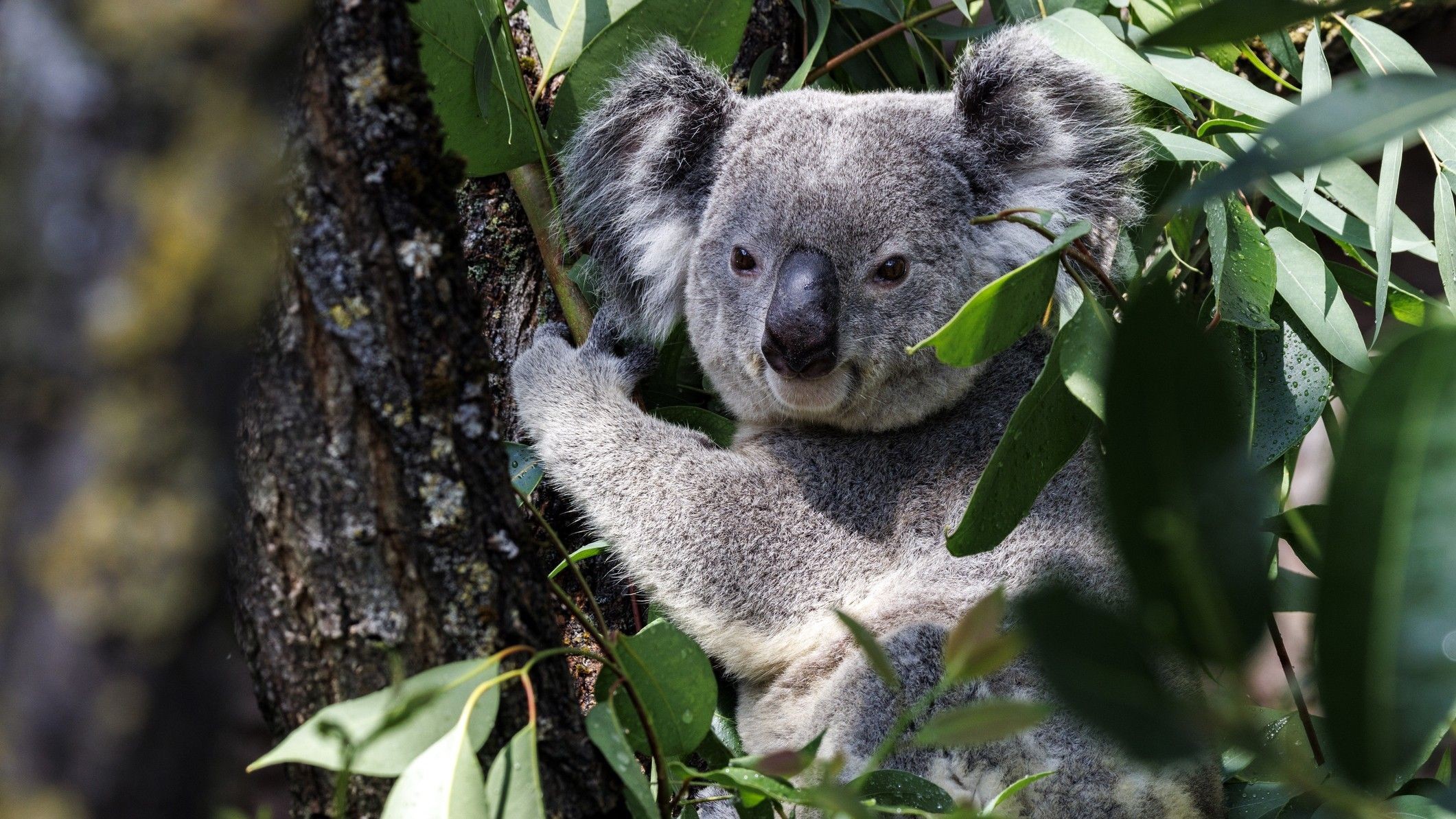
Scientists in Australia are doing something drastic. They’re deep-freezing koala gametes. Eggs and sperm. Locked in a cold snap.
It’s a genetic backup plan. A last line of defense against total extinction. The idea is simple in theory. Use artificial insemination. Or maybe in vitro fertilization (IVF). Create healthy embryos when the time comes. When a wild koala dies, its unique genetic traits vanish with it. That’s bad news. Those genes might hold the key to surviving a changing climate. Now, researchers have a way to save them.
Losing genetic diversity can weaken future generations… This project will create a safe and systematiс way to rescue and preserve koala spermspermatozoa and eggs.
That’s Andres Gambini, a reproductive biologist from the University of Queensland. He’s involved. He knows the stakes. Without variety, a species gets fragile. It breaks under pressure. This project is the glue. Or rather, the ice.
The Australian Paradox
Australia loves its koalas. But the numbers tell a messy story. In parts of Queensland and New South Wales? Disaster. Populations crashed. Eighty percent gone since the late 90s. Deforestation. Bushfires. Drought. Disease. The Australian government noticed. In 2022, they upgraded koalas in their eastern range to “endangered.” Vulnerable no longer cuts it.
But here’s the twist. Flip to southern Australia. Koalas are everywhere. Overabundant. Thriving. Until they aren’t. Recent research suggests they’re eating the forests alive. Overbrowsing. Killing the eucalyptus trees they need. Boom or bust? Right now, it looks like both.
Cold Hard Science
So what do you do? You freeze them. Literally. The scientists use liquid nitrogen. Boiling point is minus 196 degrees Celsius. That’s cold enough to pause time, effectively. For decades, anyway.
Vincent Lynch, a biologist at the University at Buffalo, isn’t part of the project but knows the drill. He’s woken cells before. Frozen in LN2 twenty years ago? He pulled them off life support. It works.
Where does the material come from? Wildlife hospitals. Tragic sources. Koalas die there from injury or disease. Others can’t breed anymore because they’re broken, sick, or old. Gambini points out the harsh reality. Every year, many are admitted. Sad to say, many don’t survive. Their reproductive cells become the resource.
But there’s a hurdle. Chlamydia pecorum.
It’s deadly. Highly contagious. In koalas, it means painful urinary infections. Blindness. Infertility. In bad areas, ninety percent of koalas have it. It’s a main reason joey birth rates are plummeting. You can’t save a species if its sperm is infected.
Or can you?
Steve Johnston, also from Queensland University, says yes. We have the tech. If the sample is contaminated, they remove the bacteria. They clean the cargo before storage. Johnston knows reproduction tech. He was there in 1998 when the first AI-born koala joey arrived. And this year, his colleague Gambini led the team that created the first IVF kangaroo embryos. Live births aren’t there yet for kangaroos. Maybe not for a decade. But the foundation is laid.
An Open Question
How many cells do they need? Nobody knows.
Lynch says it’s a race. As populations shrink, the genetic library burns. The team has to grab more samples faster to maintain diversity. The bar moves every day. It’s hard to quantify “enough.”
And this isn’t a magic bullet. It doesn’t replace habitat protection. It doesn’t stop diseases. It doesn’t monitor populations. It just sits there in a tank of gas, waiting. Gambini argues we can’t afford to wait. We can’t let diversity vanish before we start digging in.
Conservationists worry about the speed of decline. Fast. Too fast. But Lynch sees a path.
I support multipronged approaches… By preserving the environment… we allow re-introductions.
Preserve the wild. Freeze the code. Hope the environment stabilizes enough to bring them back.
It’s not a tidy ending. It’s ice. It’s time. And it’s a lot of work for a tree-hugger that barely moves. Will it work? Maybe. Maybe not. But at least the genes aren’t gone yet.