It grows slow. Usually.
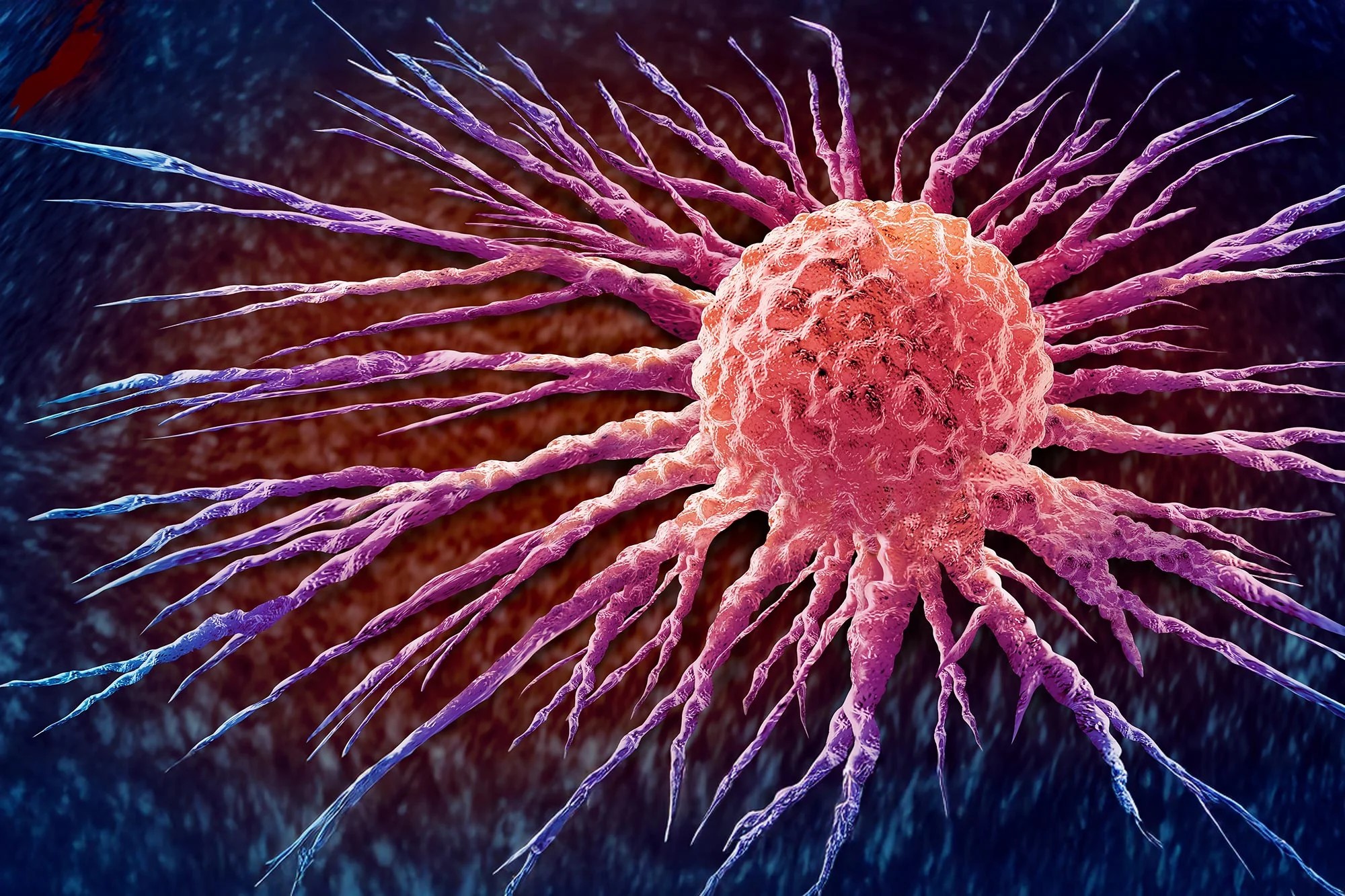
Then it decides to leave. Once prostate cancer cells escape the gland, the game changes. They move to lymph nodes. Or bones. That is when things get messy. And dangerous. Treatment gets harder. The stakes get higher.
Researchers at Umeå University didn’t want to watch that happen anymore. So they built something new.
Published in Signal Transduction and Targeted Therapeutics, their work shows a fully human antibody slowing down aggressive prostate cancer. It didn’t just stop tumor growth. It blocked metastasis. The spread. The bad part.
“The new drug has been developed to prevent metastasys… we are very pleased and proud.”
Maréne Landström is a Professor of Pathology there. She led the charge. Her team found the specific mechanisms driving the cells crazy—making them invasive and spread-out. They hit those mechanisms. And the cells slowed down.
Not All Prostate Cancer Is Equal
Most men get a tumor that sits still. It’s slow. Annoying maybe. But not immediately threatening.
Then there is the aggressive kind. The kind that refuses to stay put. This is where the real damage happens. Landström focused here. On the escape artist tumors.
She created an antibody made entirely of human proteins. Why does that matter? Simple. If the body thinks it’s human, it’s less likely to fight it back. That makes for better medicine. Less rejection. More tolerance.
The antibody worked through a mechanism that nobody is really using yet. It takes a different biological route. Because it’s new, the researchers think it might bring fewer side effects than the usual heavy hitters. It did what it was supposed to do in preclinical models. Important? Yes. Does it mean you can take it tomorrow? No.
The Hard Part Starts Now
Don’t get too excited yet.
Landström knows this is early days. Promising? Sure. But there is a mountain of red tape left to climb.
“This is a promising step forward…” she says, and then lists the boring stuff. Safety studies. More tests. Regulatory approval from Europe or the US.
It’s the long road. The expensive one. But the goal is clear: better life. Longer life. For men who are currently staring down the barrel of advanced disease.
It took years. A lot of people helped out. Drug discovery specialists at SciLifeLab helped build the antibody. The Umeå Biotech IncubATOR lent a hand. Funding came from MetaCurUm Biotech, a local biotech company.
And what’s next?
Could this work on other cancers? Maybe.
The team wants to see if the strategy applies to other solid tumors. It’s a hopeful thought. A drug for prostate cancer becoming a weapon against breast cancer. Or lung cancer? We’ll see.
Who knows really. The models worked. Now they just have to survive the real world. 🧪