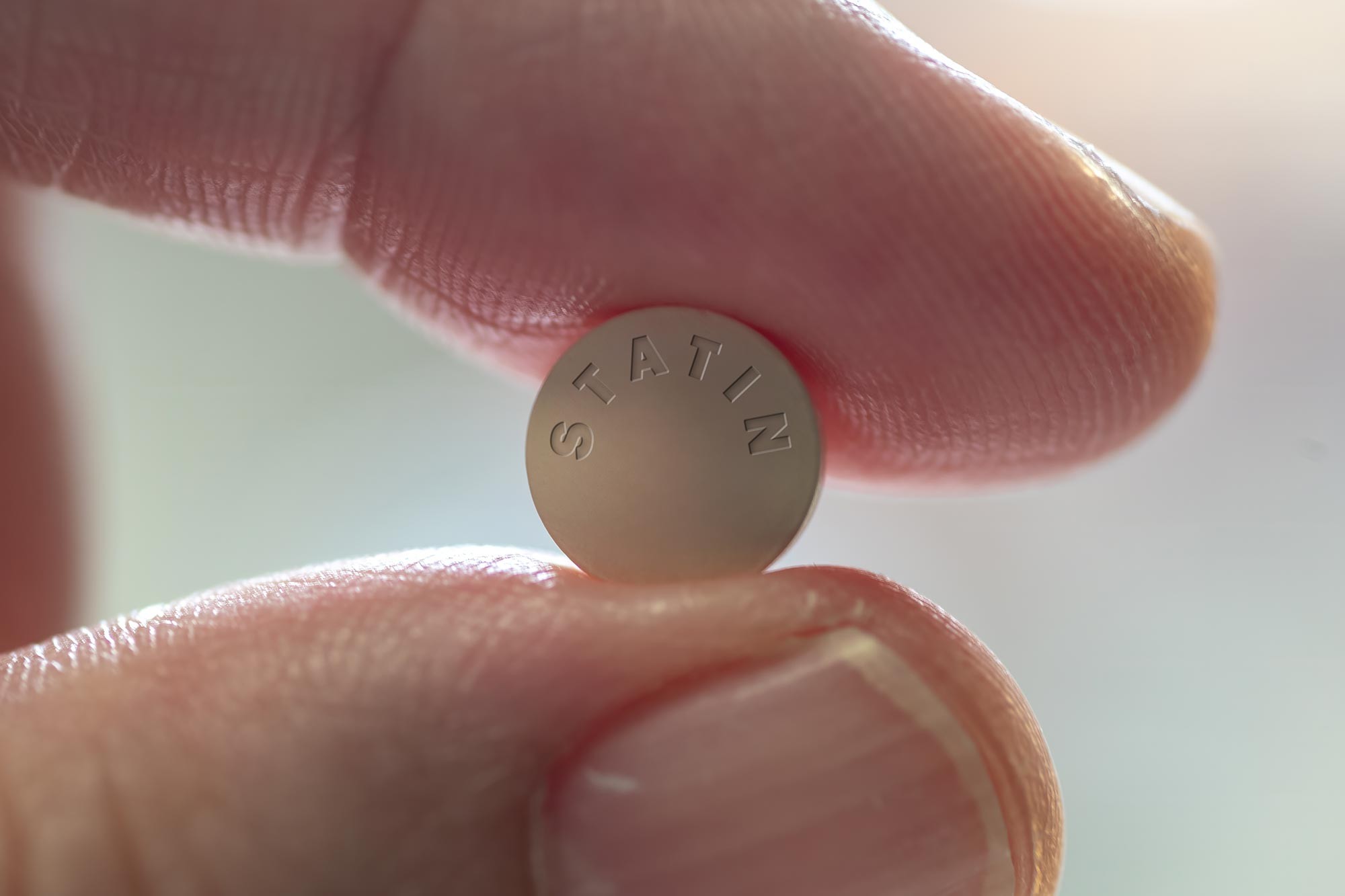
The heart stays safe. The muscles suffer.
It is a familiar trade-off for millions of patients. Statins are the gold standard for lowering cholesterol, mostly because they block a specific step in the body’s factory for making cholesterol. This happens largely in the liver.
But here is the problem.
That same biochemical pathway helps muscle cells produce molecules essential for energy balance. Normal cellular function relies on it too. For some people, messing with this pathway does not just lower LDL. It creates a mess far beyond what the cholesterol charts show.
The pain is real
The symptoms are painful. Weakness. A sudden inability to keep up during exercise. Doctors call this “statin-associated muscle symptoms.” It affects somewhere between 7% and 29% of people who take the drugs7-29% might sound low until it happens to you or your parent.
The clinical dilemma is harsh.
The people who need statins the most are often the same ones forced to lower their dose. Or quit entirely. They want the protection against early death, but their body refuses the ticket.
Why? Until now, it was mostly guesswork. The chain of events inside the muscle was a black box.
Immunity attacks from within
New research from McMaster University flips the script.
Led by Nazli Robin, Nicole Barra, and senior author Jonathan Schertzer, the team looked past the metabolism. They looked at the immune system inside the muscle cell.
Here is what they found in mouse models and cell studies.
Statins disrupt how muscle cells generate energy. This metabolic stress acts as a distress signal. The cell panics. It triggers an immune response from the inside. Specifically, it involves the NLRP3 pathway.
The immune system is supposed to fight infections. Here? It is fighting the drug. Or rather, the side effects of the drug.
The result is inflammation. Tissue damage. That familiar ache.
The breakthrough comes from the intervention. When the researchers blocked that specific immune response in their experiments, the muscle damage largely vanished.
The damage was not inevitable. It was not a necessary sacrifice for lower cholesterol. It was a separate mechanism entirely.
Can we split the drug?
Consider the implication.
“One of the most exciting findings is that the mechanism causing muscle side effects appears to be separate from the mechanism lowering cholesterol,” Schertzer notes. “That suggests it may one day possible to target side effects without interfering with cardiovascular benefits.”
Metabolism and immunity are usually treated as different silos. This study drags them together. Metabolic stress in the muscle cell triggers an immune signal. Inflammation follows.
The authors identify specific players: lower protein-prenylation and reduced YAP activity. These lead to “muscle metabolic danger” and subsequent myopathy.
It is not finished science. These are early-stage findings.
But for the patient stuck between a rock (high cholesterol) and a hard place (aching thighs), there is a glimmer.
If we can block the immune response inside the muscle, we might keep the cholesterol down while turning off the alarm bell in the legs.
Maybe you can have the drug and keep your gym routine too.
Maybe.