


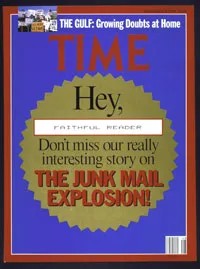
You love the thrill of the hunt. Specifically, the hunt for that mystery discount on laundry detergent at the dollar store. You analyze the fine print on a Happy Family chicken dish menu with the scrutiny of a food critic. Pre-approved credit card offers addressed to “Occupant” don’t bother you; they reassure you. Someone, somewhere, wants you to have a card.
Hang around your mailbox a while. All these treasures, and many more, will arrive.
Most people look at that pile and see trash. They call it junk mail, or more formally, direct mail. They want it gone.
But you see opportunity.
We haven’t always lived in a world where strangers aggressively tried to sell us things via paper. For centuries, mail came from friends, family, or known business partners. The game changed in the late 19th century. Merchants like Montgomery Ward and Sears Roebuck realized that sending catalogs through the postal system was a brilliant way to reach customers who lived far from any physical store.
It worked so well that the volume exploded. We are now sending more than 62 billion pieces of unsolicited mail every single year.
That is not just noise. It is environmental damage.
Producing all that paper requires roughly 100 million trees. It consumes about 28 billion gallons of water. The carbon footprint is massive. The physical waste is staggering.
Then there is the risk.
Prescreened credit card offers are not just marketing; they are targets. Identity thieves scan these envelopes. They find your name, your partial credit history, and an easy opening. They can establish lines of credit in your name before you even notice the paper is missing from your pile.
People have tried to stop it since the first catalog was dropped in a mailbox.
Is it possible to silence the noise?
Yes. It is entirely possible to stem the tide of unwanted mail.
Why Your Data Is Worth Pennies (Until It Isn’t)
Your name and address are assets. Not the kind that buy you a house, but the kind that add up. Individually, they are worth a fraction of a cent. Collectively? That’s a gold mine for direct marketing firms. These companies buy lists from businesses you’ve interacted with. Did you apply for a credit card? Buy something from a catalog? You just handed over data that gets sold, resold, and packaged for the highest bidder.
Not all data leaks are created equal. Some are worse than others.
Responding to a sweepstakes puts you on a “sucker list.” Marketers love these lists because you’ve already proven you’re gullible. You took the bait. Filling out a warranty card is a similar trap. It’s a fishing expedition. A toaster oven company doesn’t care about your hobbies. They care about the profile you create when you fill out those fields. Keeping your receipt is enough for warranty protection. You don’t need to hand over your social security number and favorite color to prove you bought the appliance.
If you feel used, you’re not alone. But you can fight back.
How to Remove Your Name from Mailing Lists
The direct marketing industry has professional associations. These groups represent the companies mailing you stuff you didn’t ask for. They also serve as exit doors for consumers who want out. Contacting these associations is often the most effective way to scrub your name from circulation.
You can also go directly to the list brokers. Ask to be removed. If you somehow enjoy the physical presence of junk mail, you can opt in to receive materials from specific member organizations. It’s a niche choice, but it exists.
Credit card and insurance offers follow a different, more regulated path. Credit reporting agencies generate these lists. They sell your data to lenders. But federal law requires them to honor your request to opt out for five years. The major bureaus maintain a central online portal for this. It’s a single point of entry to remove your name from all major bureaus at once.
For stricter control, you can send written requests directly to each bureau. This ensures your information stays in their possession only, not shared with third-party marketers. It slows the deluge. It doesn’t stop it entirely, but it helps.
The Catch: You Must Give Data to Stop Giving Data
Here is the irony. To remove your information, you often have to provide it again.
Opt-out forms may ask for your social security number or credit card details. This is for verification. The organizations facilitating these opt-outs do not sell the data you provide to cancel the service. They are not in the business of trading your details; they are in the business of stopping the mail.
Some groups charge a small processing fee. These are advertised. They are not hidden charges tacked onto your bill. They are minor. For someone who genuinely hates junk mail, it’s a fair price for peace of mind.
Moving Forward
The path to an uncluttered mailbox requires a bit of legwork. You have to navigate the portals, fill out the forms, and sometimes pay a few dollars. But the alternative is a constant trickle of unwanted offers, warranty traps, and sweepstakes bait.
Start with the central opt-out portal for credit offers. It’s the lowest hanging fruit. Then, tackle the direct marketing associations. It’s not a perfect system. Junk mail won’t vanish overnight. But every name removed is a small victory against the algorithmic profiling that treats your life as a commodity.
The question isn’t whether your data is valuable. It’s whether you’re willing to pay the small price to reclaim it.


