


The full glow is over. But don’t pack away your eyes just yet.
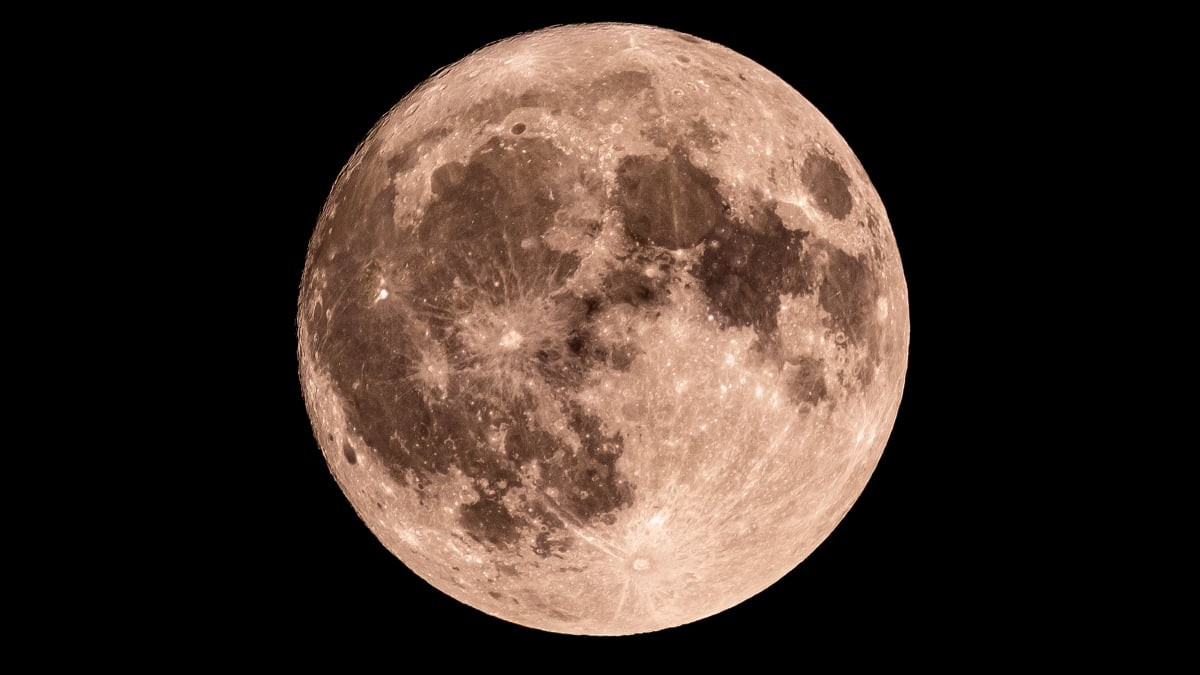
Thursday, July 30, 206, isn’t a dark night. The moon is still hanging there, bright and heavy in the sky. It’s in the waning gibbous phase.
That sounds technical. It means the light is fading. The shape is still mostly round—about 100% visible according to NASA’s trackers—but it’s on its way down. The cycle is turning.
You can still make out the big features without any gear. Look for Mare Tranquillitatis (the Sea of Tranquility). Spot Copernicus Crater with its distinct rays. And if you’re patient, find Tycho Crater at the southern pole. These are the landmarks.
Need more detail? Binoculars change the game. Suddenly, Gassendi Crater shows up. Mare Frigoris (the Sea of Cold) reveals its texture. Clavius Crater, a massive bowl with inner peaks, comes into view.
Grab a telescope? That’s where the history lands. You’ll see the landing spots of Apollo 15 and Apollo 17. You can trace the jagged edge of the Caucasus Mountains. The moon isn’t just a rock. It’s a map.
When is the next Full Moon in 2026?
Patience is key.
The next full illumination doesn’t happen now. It lands on August 28, 2026.
That’s nearly a month away. A lot happens in lunar time. The gibbous shape will shrink to a half-moon (Third Quarter) around mid-August. Then it thins out. The crescent phase returns before the dark of the New Moon. Finally, the cycle builds back up to that August 28 peak.
Why does it matter? Timing.
If you’re chasing the full glow for photography, astrology, or tides, mark August 28. If you want to catch the gibbous decline while it’s still bright, July 30 is your window.
How Moon Phases Actually Work
We see the moon change because of geometry.
Simple geometry.
The moon orbits Earth. Earth orbits the sun. The angle between all three bodies shifts constantly. As the moon travels, we see different slices of its sunlit hemisphere.
The whole cycle takes about 29.5 days. Roughly a lunar month.
Here is the breakdown of the eight distinct phases:
1. New Moon
The moon sits between Earth and the sun. We face the dark side. It’s invisible to the naked eye, usually lost in the sun’s glare.
2. Waxing Crescent
A sliver appears. In the Northern Hemisphere, the light is on the right side. “Waxing” means growing. The dark part is shrinking.
3. First Quarter
Half the face is lit. Right side up. It’s not actually a quarter of the way through the cycle in time—it’s halfway to full. But the shape looks like a quarter-circle. Confusing? Yes. Accurate? Yes.
4. Waxing Gibbous
More than half is bright. Bulging. Still not full. The light is still creeping in from the right.
5. Full Moon
Complete illumination. The entire face we see is lit. This happens when Earth is between the sun and the moon. July 16, 2026, was this full moon. We are now past that date.
6. Waning Gibbous
This is today’s phase.
The light starts to retreat. Still more than half visible, but the left edge begins to shadow (Northern Hemisphere). “Waning” means shrinking. The bright part is getting smaller.
7. Third Quarter (or Last Quarter)
Another half-moon. But now the left side is lit. The right side is dark. The moon is halfway back to being new.
8. Waning Crescent
A thin sliver remains on the left. It hangs there for a few days. Then it disappears into the new moon darkness. The cycle resets.
The moon doesn’t care about our calendars. It doesn’t care about our photos. It just follows physics.
But we still look up.


