


Double digits.
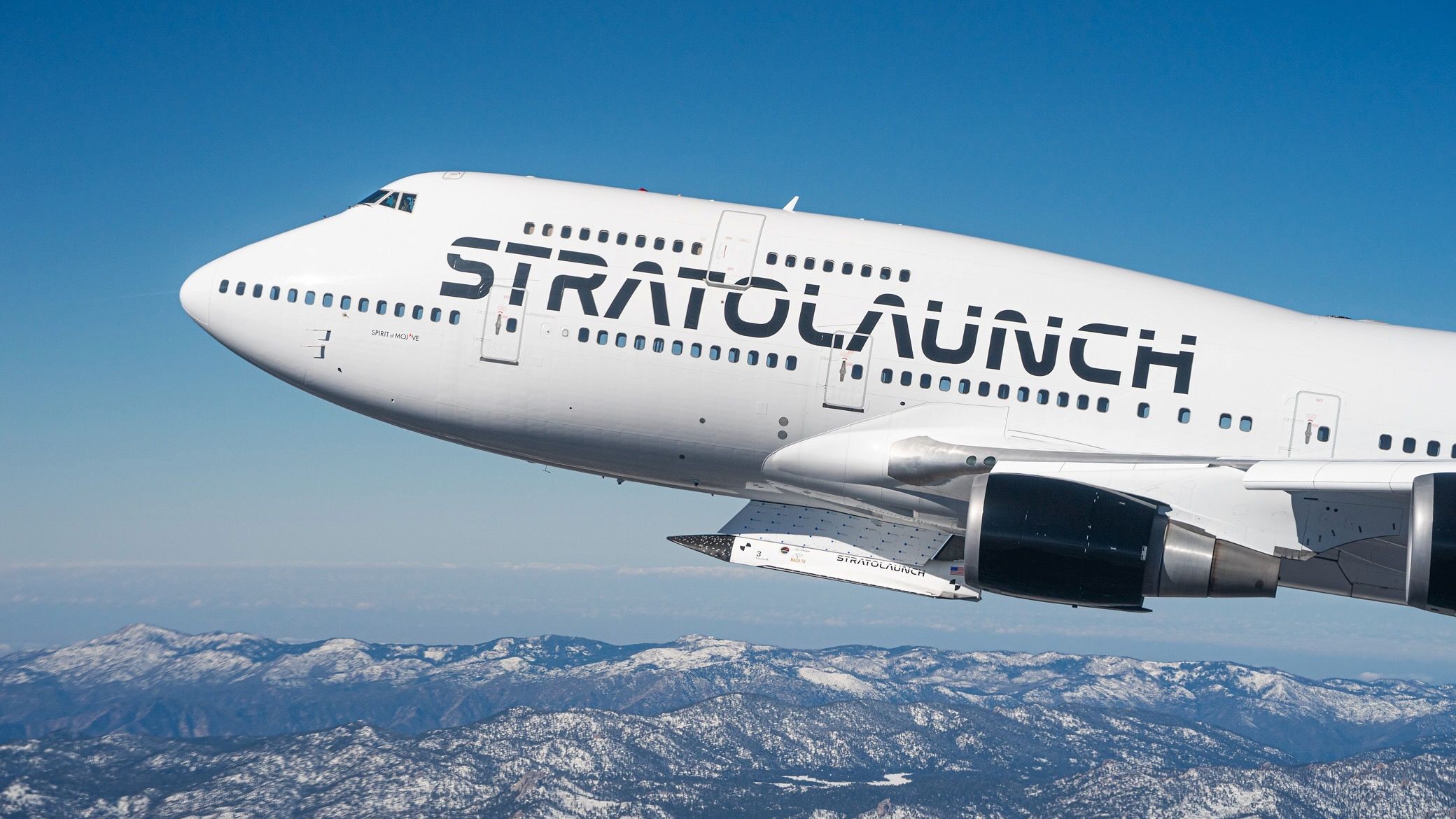
That’s where Stratolaunch stands right now with its Talon-A hypersonic vehicle.
The California-based company didn’t just hit ten flights. It passed them.
Late last month, Stratolaunch confirmed the reusable, autonomous craft had achieved more than ten successful test missions. That number matters. It moves hypersonic testing from a rare, expensive experiment into something resembling routine.
“Reaching more than 10 successful hypersonic flights with Talon-A is a testament to our team’s dedication,” President and CEO Zachary Krevor told reporters in a July 22 statement. He went further, claiming this reliability empowers customers to innovate at a speed we haven’t seen before.
Let’s look at the hardware.
Stratolaunch operates two Talon-A vehicles. They are roughly 28 feet long. The wingspan? Just 11.3 feet. Small. Fast. Dangerous, if you’re not paying attention.
They punch through the atmosphere at Mach 5. That is five times the speed of sound. Anything slower isn’t hypersonic. Anything faster? Well, Talon-A stays in that Mach 5+ zone to gather data.
How the Drop Works
It starts with a big plane.
Talon-A doesn’t take off from the ground. It drops from the belly of a carrier aircraft.
Stratolaunch uses two distinct carriers to get the job done. The first is the Spirit of Mojave. A modified Boeing 747. Old reliable.
The second is Roc.
Roc is a monster. It spans 385 feet from wingtip to wingtip. That is the largest wingspan in aviation history. It wasn’t just modified. It was built custom for this purpose.
Both planes lift off from the Mojave Air and Space Port in Southeast California.
They climb until they reach altitude. Then, they release the Talon-A payload.
Usually over the Pacific Ocean.
Where and Why It Matters
After the drop, Talon-A flies its autonomous route. High speed. High heat.
Then, it comes back down.
Most landings happen at Vandenberg Space Force Base on California’s central coast. Scenic views don’t protect you from Mach 5 reentry, but the runway is there.
So, what is actually flying on board?
Not much is said publicly.
Stratolaunch customers tend to keep their mouths shut. That includes the U.S. Missile Defense Agency.
Talon-A carries sensors. Advanced materials. Anything that needs to survive the hypersonic environment without falling apart.
“Details about Talon-A’s payloads tend to be sparse… likely because many Stratolaunch customers… are tight-lipped by nature.”
Is it a weapon?
No.
Talon-A is not a weapon. It doesn’t deliver warheads. It is a technology testbed.
But the distinction matters.
Military agencies worldwide are obsessed with hypersonic tech. Why? Because vehicles like Talon-A can maneuver. Ballistic missiles follow predictable arcs. They are fast, yes. But you can see them coming.
Hypersonics? Harder to track. Harder to intercept.
Stratolaunch isn’t alone in this game.
Rocket Lab offers a similar service using HASTE, a suborbital carrier for their Electron rocket. But Stratolaunch is pushing for frequency. Ten successful flights is a milestone. The next one? Probably already scheduled.


