


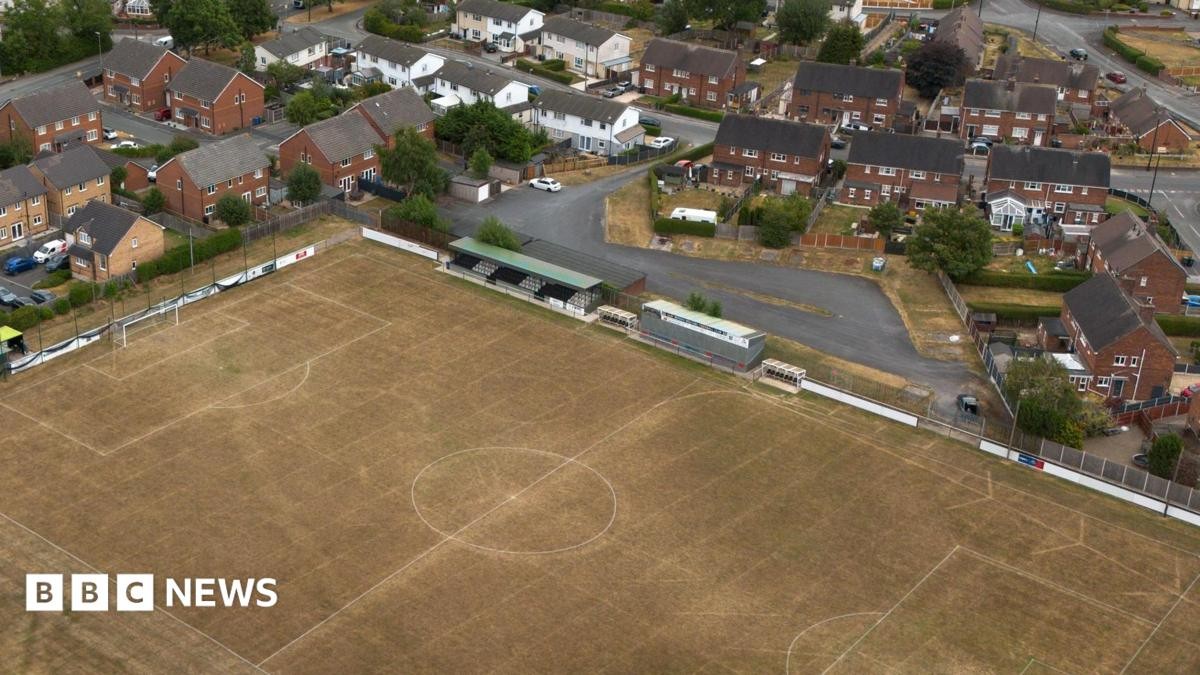
It started with heat. Just relentless, sustained high temperatures. Then the rivers began to shrink. Now, the entire country of Wales has officially been declared in drought.
Natural Resources Wales (NRW) made the announcement on Thursday, extending previous declarations for the north and mid-Wales to cover the whole nation. They are looking at data that suggests this July could be the driest in 190 years.
Why does this matter right now? Because the natural environment is deteriorating fast. River levels are record-low. Soils are bone-dry. Wildfires are popping up across the landscape. Wildlife is suffering. And farmers are watching their livelihoods crumble under their boots.
Environmental drought vs. supply crisis
Here is the nuance most people miss. A drought declaration from NRW is not the same thing as running out of tap water.
“Environmental drought” happens when prolonged heat and lack of rain stress the natural ecosystem. Rivers shrink. Oxygen levels drop. Fish suffocate. Habitats vanish. It usually happens before your house runs dry or your crops die completely.
NRW notes that while environmental conditions are critical, Welsh water companies report that reservoir levels are holding up for now. The wet start to the year saved us, for the moment. But that buffer is thinning.
“With no strong indications for notable rainfall… it’s more important than ever that we all water wisely. Every drop we waste is less water for rivers and wildlife when they need it most.”
— Rhian Thomas, NRW
Farmers hit hardest by rock-hard soil
You might think the immediate threat is to our taps. For the people standing in the fields, it’s something far more visceral.
George Tomlinson runs Rossett Park Farming near Wrexham. His grazing land has died. Literally. The grass is dead. So he did the unthinkable—he had to sell 60 cows.
“There’s nothing available for the cows to eat… apart from a little bit of dead dry grass,” Tomlinson said. “You’ve got to make tough decisions to survive.”
It’s not just him. Richard Anthony, whose farms stretch across the Vale of Glamorgan, describes his ground as being as hard as rock. Zero moisture.
“I’ve never been in this situation,” Anthony said. He couldn’t even plant his next crop. “We’ll have to cope… but the knock-on effect is huge.”
Wheat deals are down 20 to 30%. Massive. And then comes the worry about what happens when the rain finally returns. Will it be gentle? Or will it be a deluge that ruins everything for next year?
“It’ll go from this to being too wet,” Anthony said. “I’ve never seen it as bad as this.”
Abi Reader, president of National Farmers Union Cymru, warned of rising costs. Farmers are having to buy extra feed. They are spending fortunes carting water for livestock. Food security, she said, starts with water security. Without it, the financial damage could be permanent.
Wildfires and the risk of recurrence
The dry weather has turned parts of Wales into tinderboxes.
Earlier this month, a fire in the Rhinogydd mountains of Gwynedd was so big it could be seen from space. A helicopter had to be deployed. Nearby, residents evacuating near Conwy Mountain heard the blaze crackling down the slope—”like popcorn.”
First Minister Rhun ap Iorwerther organized a summit to address these escalating risks. While he stated there was no immediate threat to drinking water supplies, he admitted we need more resilience. “More resilience in our water supplies across Wales and the UK” is the new priority.
What exactly happens next?
When NRW declares a nationwide environmental drought, they don’t just put out a press release. They shift into a new mode.
The status of “prolonged dry weather” triggers enhanced monitoring of waterways. Water abstraction licenses are restricted to protect low flows. Reservoirs may even be used to release water back into rivers to keep fish alive.
But for the public? The rules change locally.
Welsh Water, for example, has already implemented a hosepipe ban for 33,00 properties in West Wales. Why? Because unprecedented demand from heatwaves is straining the network. It’s harder to process and deliver water when everyone is filling baths and watering gardens.
They emphasize, however, that current reservoir levels are stable. No threat to drinking water. Not yet.
The heat will return
Rhian Thomas from NRW put it bluntly. The forecasts show no strong signs of rain. Heatwaves are likely to continue this summer.
The toll is visible. Drying riverbeds. Distressed fish. Algae blooming in stagnant pools. Farmers staring at fields that look more like desert than pasture.
If this persists, some farmers might close their gates for good. Tomlinson called it depressing. It’s not just a bad season. It’s a structural change. Warmer summers are the future.
And when the rain finally does come? The ground is so hard, so compacted, that it may not absorb it properly. Leading to flash floods. Washing away the topsoil that took decades to build.
We are watching the clock. Waiting for rain. But the real story here isn’t just about the water in our taps. It’s about the water in the rivers. The water in the soil. And whether there will be any left for the things that matter when the heat breaks.


