It was supposed to be the cure-all.
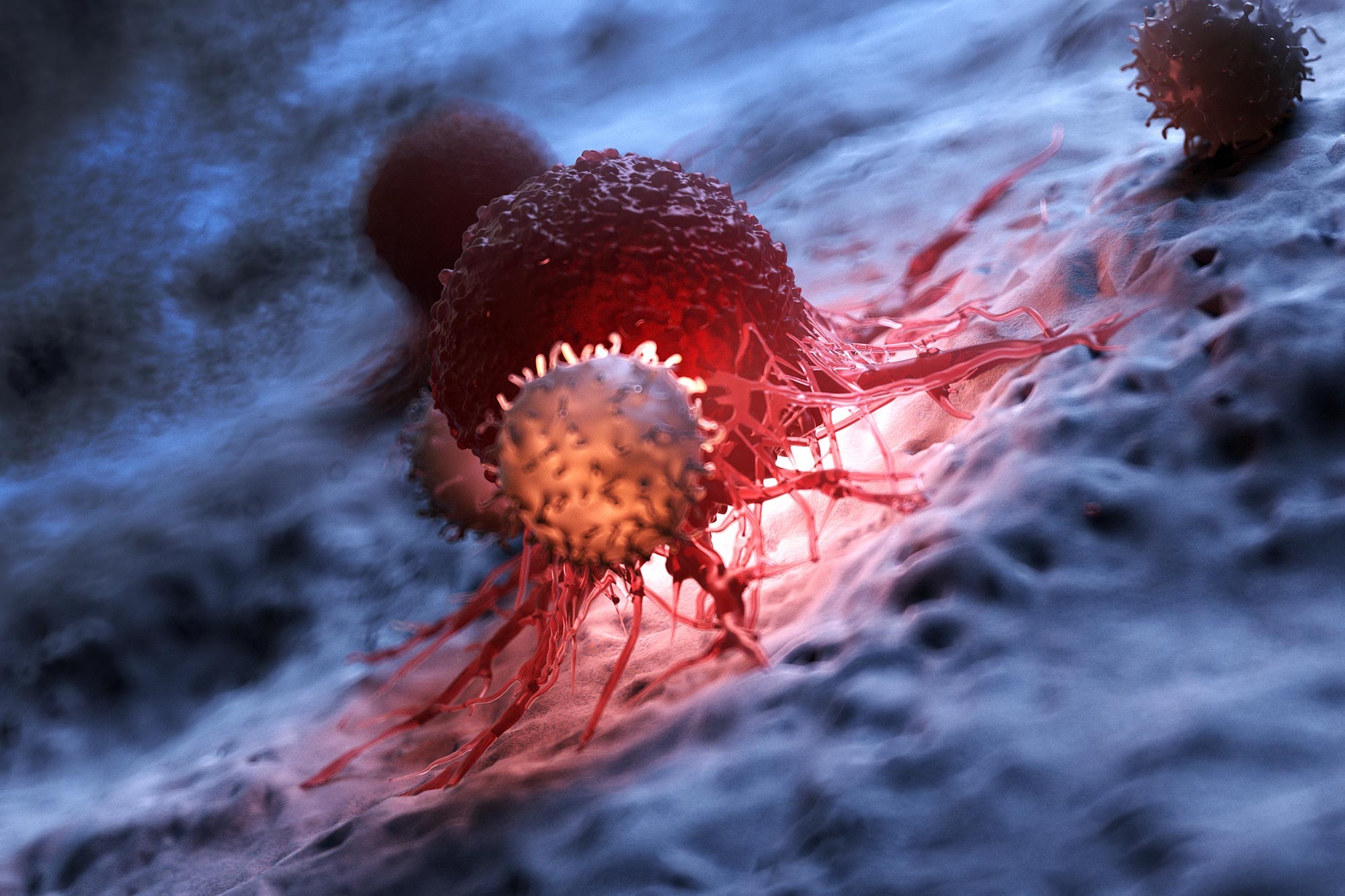
CAR T-cell therapy turned heads because it worked. It took a patient’s own immune system, gave it superpowers, and sent it back to fight. Beautiful in theory. Terrifying in practice for anyone with a solid tumor. Blood cancers? The cells crushed them. Solid tumors? The CAR T cells arrived, got confused, tired, and basically stopped caring.
That exhaustion is the problem.
The immune cells don’t die. They just… stop. They burn out before they finish the job. It’s like a sprinter trying to run a marathon with no food, no water, and a backpack full of stones.
Switching off NFIL3 could be an “off switch” that stops the fatigue.
Enter Michel Sadelain and Judith Feucht. Sadelain is one of the grandfathers of CAR T therapy, based at Columbia. Feucht operates out of Tübingen, Germany, splitting her time between lab benches and sick kids in pediatric oncology. A practical setup. Not just theory, but action.
They didn’t guess. They screened roughly 400 different transcription factors. Proteins that decide which genes stay loud and which go silent. It was a brute-force approach, scanning every possibility until they hit the right one.
The culprit: NFIL3.
It’s a protein. It regulates genes. And apparently, it tells CAR T cells when to quit.
The Genetic Brake
Think of NFIL3 as the manager who shows up halfway through the game and tells your players to stop trying because it’s too late. That’s what this protein does to CAR T cells. It drives “exhaustion.” The scientific term for giving up.
So they cut it out.
Using CRISPR-Cas9—the molecular scissors everyone loves to name-drop—they snipped the NFIL3 gene right out of the CAR T cells. No more NFIL3 meant no more exhaustion signals.
The result was immediate.
Without that gene, the CAR T cells didn’t get tired. They kept multiplying. They stayed aggressive. They attacked the tumors for longer. In mice, the outcome shifted from “barely hanging on” to “significantly extended survival.” It’s animal data, yes, but the direction is clear. The brake is gone. Now the car just goes.
Does this mean cancer is solved?
No.
From Bench to Bedside
Feucht works within iFIT, Germany’s top-tier oncology excellence cluster. She deals with children. Real patients, not models. This context matters. It explains the urgency in the paper. They aren’t just publishing for points; they are trying to find a way to help the kids who aren’t responding to standard chemo.
The hope is that this genetic tweak works in solid tumors, too. The holy grail. Right now, solid tumors hide, shift shape, and suppress the immune system around them. CAR T cells get overwhelmed. Removing the NFIL3 driver might keep them sharp enough to dig deeper.
There are hurdles, obviously. Getting from mouse mice to human trials takes time, money, and regulatory patience. The team admits this isn’t ready for Tuesday’s clinic schedule.
But the mechanism is identified.
We know what the problem is. We know where the switch is. Turning it off is technically easy in a dish. Doing it safely in a body? Harder. But possible.
Our goal is to improve the effectiveness… we expect this to open up new possibilities.
Maybe. Or maybe there’s another gene waiting to step into NFIL3’s shoes. The body is good at finding backup plans. Still, it’s a win to see the blueprint exposed. One less mystery. One more lever to pull.