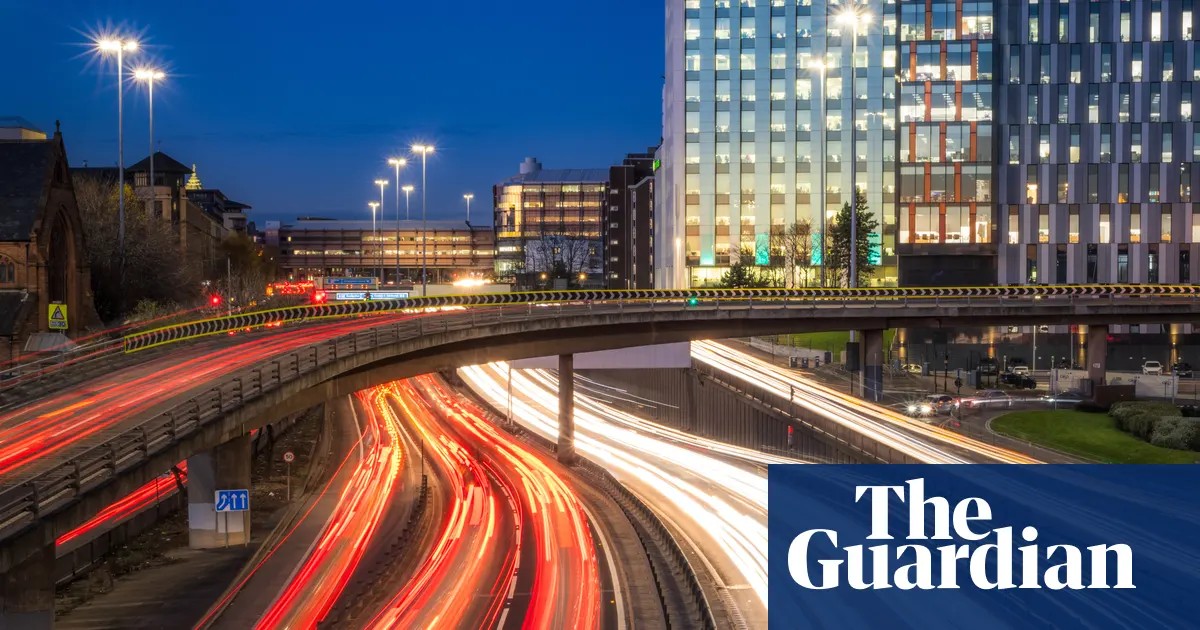
Long-term exposure to road traffic noise might be quietly increasing your risk of developing Parkinson’s disease. That is the takeaway from the biggest study of its kind, and it changes how we think about environmental triggers for neurological decline.
Parkinson’s is a progressive condition. It damages parts of the brain over time. The result? Movement and balance suffer. For years, we’ve blamed environmental toxins like air pollution or pesticides. Noise? Not so much. But this new data suggests noise pollution is no longer a speculative footnote. It is becoming a credible risk factor.
The study, published in Jama Neurology, is massive. It tracked 3.1 million participants across Denmark. All were aged 40 or older. They were monitored for 18 years. Using nationwide health registers, researchers created a dataset that dwarfs previous efforts in linking noise and neurology.
How does traffic noise trigger brain changes?
The biological mechanism isn’t fully mapped, but stress and sleep are prime suspects. Chronic exposure to road noise disrupts sleep architecture. Disrupted sleep spikes cortisol, the stress hormone. Elevated cortisol over decades? That sounds like a recipe for neurological wear and tear.
The researchers modeled noise exposure for every participant. They calculated the decibel levels at the loudest exterior wall of their homes and compared it to the quietest. The difference matters.
The effect size was modest, sure. But it was consistent. On the most exposed side of a house, every 11.5 decibel rise in noise correlated with a 3% increase in Parkinson’s disease risk. Small percentage? Yes. But across millions of people? That is a public health signal worth watching.
“Environmental noise is still a young entrant in the Parkinson’s risk-factor literature,” says Thomas Münzel, a co-author.
The study controlled for air pollution. It didn’t have full data on individual lifestyles. However, the association held up regardless of a participant’s education level or income. That consistency makes confounding factors like poverty less likely to explain the entire link, though not impossible.
Can staying indoors protect you?
Here is a practical takeaway for urban dwellers. Having a quiet zone in your home may mitigate the risk. Noise at home isn’t uniform. Some facades take the brunt of the roar; others face a courtyard or a garden.
Dr. Peter Chan from the Nuffield Department of Population Health notes this “dimension of the noise issue.” It highlights that people might reduce exposure by simply spending more time in the quieter rooms of their home.
But is it that simple? Chronic sleep disturbance from noise is a general stressor. Anna Hansell, professor of environmental epidemiology at Leicester, cautions against viewing noise as a specific trigger for Parkinson’s in isolation. The study design shows association, not proof of causation. You still need to ask: is the noise causing the disease, or does it just signal a lifestyle/environment that does?
The socioeconomic trap
Let’s get uncomfortable for a second. Parkinson’s risk factors are often tangled up with low socioeconomic status. Poorer neighborhoods often have louder traffic. They often have worse air. They have higher stress levels.
Disentangling noise from these other variables is incredibly hard. As Dr. Chan points out, the increased risk linked to noise might be a proxy for something else entirely. Or it might be a combination of everything.
John Stewart, chair of the UK Noise Association, argues that the data is clear enough to act on. The link is strongest where noise is loudest. That means main roads.
“This research joins a growing list… It shows the link is strongest where the noise loudest,” Stewart says. His advice? Governments should focus cutting main road noise. Local authorities have a lever to pull here. It isn’t about banning cars. It’s about managing the decibel bleed into residential zones.
Why this matters for prevention strategies
We have focused heavily on microplastics, pesticides, and particulate matter for prevention strategies. This study suggests we might be looking too narrowly.
Nearly one-third of Europeans live in environments where chronic noise exceeds WHO thresholds. If road traffic noise is indeed a contributing factor, then urban planning isn’t just about convenience. It’s neurological protection.
The findings shouldn’t replace existing prevention advice. But they should widen the scope. If you live next to a highway, the noise isn’t just annoying. It might be adding to a cumulative burden your body and brain have to carry.
It is hard to say exactly how much risk is purely acoustic versus socially compounded. But the data is shifting. Noise is moving from the background to the foreground. And for the 3 million Danes studied, the quiet parts of the home might have made a measurable difference. For the rest of us, the question remains: how loud is your environment really costing you in the long run?