It is crunch time. Not the polite kind. The sweating-palms variety.
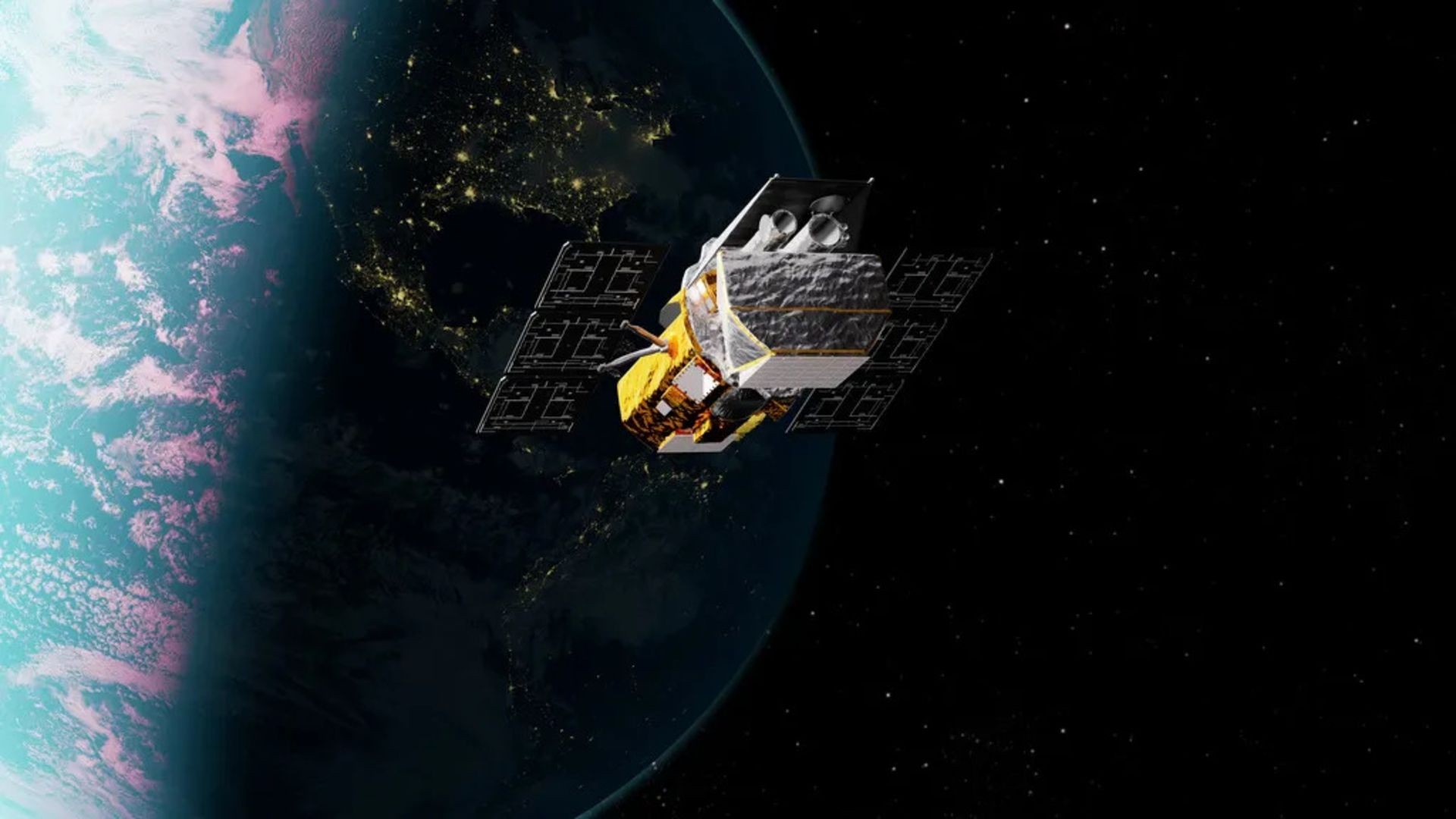
A private spacecraft named “Link” is scheduled for lift-off late next month. Its mission? Rescue. NASA’s Neil Gehrels Swift Observatory launched in 2004. It chases gamma-ray bursts in low Earth orbit. It is old but functional. Atmospheric drag, however, is relentless. It pulls Swift down faster and faster every day. The telescope has no propulsion. No way to fight back. It is just falling. Slowly. Then faster.
Link will have to save it. If all goes according to plan, this private ship will capture Swift in orbit and boost it higher. It sounds simple. It isn’t. This is bold. Unprecedented, really. Link is built by Katalyst Space Technologies in Arizona. They are aiming for a first. The first private spacecraft to ever capture a robotic satellite run by the US government.
Complication? Nobody knows exactly where Swift is.
Not truly.
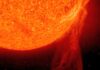
The Earth’s atmosphere changes. It expands when the Sun gets angry. It contracts during quiet periods. Solar activity follows an eleven-year cycle. That cycle peaked in 2024 Intense space weather. The Swift team took notice. Early 2025 models were grim. They predicted Swift would burn up in the atmosphere by summer 2026.
That prognosis sparked a panic response. Or perhaps a fast-paced plan. NASA handed Katalyst $30 million.
“The predictions evolve,” said Michael Shoemaker. He is deputy flight dynamics lead at NASA’s Goddard Space Flight center. He notes that forecasts change based on solar weather, Swift’s height, its orientation. All of it.
Shoemaker and his crew aren’t just doing this for one old telescope. They track dozens. Active satellites. Dead ones. They weave together data from the Space Force, solar research from NOAA, and specific details from satellite teams.
Now, they generate weekly predictions. Just for Swift. The mission team uses this intel to steer the spacecraft. To minimize drag. To stop science observations when necessary.
Has it worked? Yes.
This innovative new approach has slowed orbital decay.
Swift will likely stay above 185 miles. That is the “critical altitude.” If Link gets there in time, it can grab the telescope and push it up. Right now, that window is open until early fall.
But the modeling isn’t finished. Russell Carpenter, deputy project manager, is looking at June. Link will launch on a Northrop Grumman Pegaus rocket. They need to know exactly where Swift will be then.
The flight dynamics community is watching. intensely. People are pitching in. Helping refine the numbers.
Can we actually save things in orbit before they fall?