The drawings are lying to you. Or at least, they’re boring.
We think we know what pterosaurs looked like. The first vertebrates to fly. They ruled the skies for millions of years. Then an asteroid showed up. Game over for them. Also for dinosaurs. Non-avian ones anyway.
But here is the rub. The wings? We have no idea. Not really.
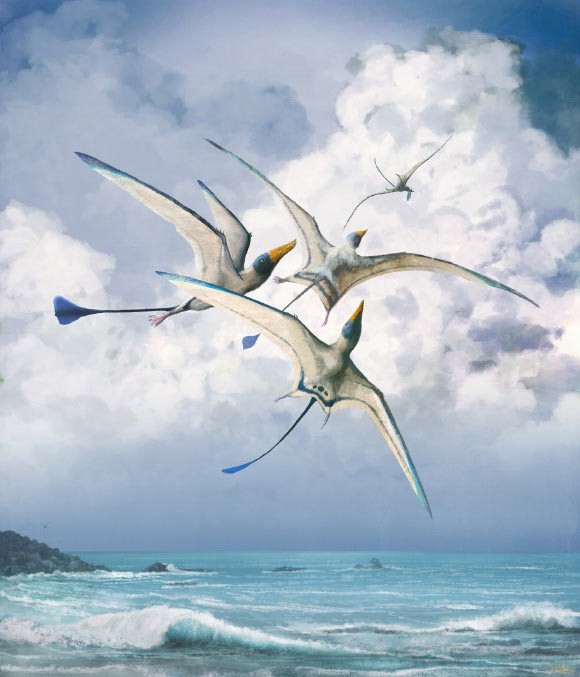
Pterosaurs were reptiles who figured out flight on their own. Separate from birds. Separate from bats. They got huge. Massive, even. The biggest flying animals that ever lived. But if you look at the scientific reconctions, the wings look suspiciously similar. Too similar.
“Wing shape is integrally related… and in pterosaurs? It’s a mess of conflicting opinions and artistic choices.”
That’s the problem.
The bones tell you half the story. The membrane? Gone. Mostly. Sometimes a rare fossil keeps a bit of skin. Mostly not. So artists have to guess. And paleontologists guess along with them.
Benton Walters at the University of Bristol got tired of guessing. He looked at 79 wing drawings. Eight different genera. Including Pteranodon. Including Quetzalcoatlus. The big names. The iconic ones.
He used something called theoretical morphospace. It sounds fancy. It basically means mapping every possible way the wings could have looked. Then checking if those shapes actually worked for flying.
The result? The drawings are all clumped together.
A tiny insect catcher? Same wing shape.
A giant ocean glider the size of a small plane? Same wing shape.
That doesn’t make sense. Nature doesn’t work like that. Look at bats. Look at albatrosses. Different lives demand different wings. If you eat bugs in mid-air, your wings are shaped differently than if you spend weeks soaring over the Pacific without flapping.
Why don’t pterosaurs show this?
We don’t know where the wing skin attached to their bodies. It’s a persistent debate. The reconstructions miss the point because they miss the variation.
“You would expect diversity. But the drawings are all the same.”
So what now?
This new research, published in Palaeobiology, acts like a map. Not of what the wings did look like, but of what they didn’t look like. It highlights the gaps in our knowledge. The blind spots.
It’s a benchmark. A test for future artists. Stop making them all look like slightly different versions of the same template.
Or will we?
There are over a hundred million years of history to figure out. From palm-sized flyers to plane-sized giants. Somewhere in there is the truth about how they flew. Right now it’s just ink and guesswork.
And we’re still guessing.