You wouldn’t look to Northern Ireland for a rainforest. Unless you know what you are looking for.
It isn’t the steamy, tropical kind with parrots screeching in the canopy. No. This is the Atlantic temperate rainforest. Ancient. Precious. And critically rare.
Ulster Wildlife has a plan. A 100-year one. They want to bring this ancient woodland back from the brink of extinction.
Right now, just 0.04% of NI’s land is ancient woodland. The Woodland Trust puts the numbers there.
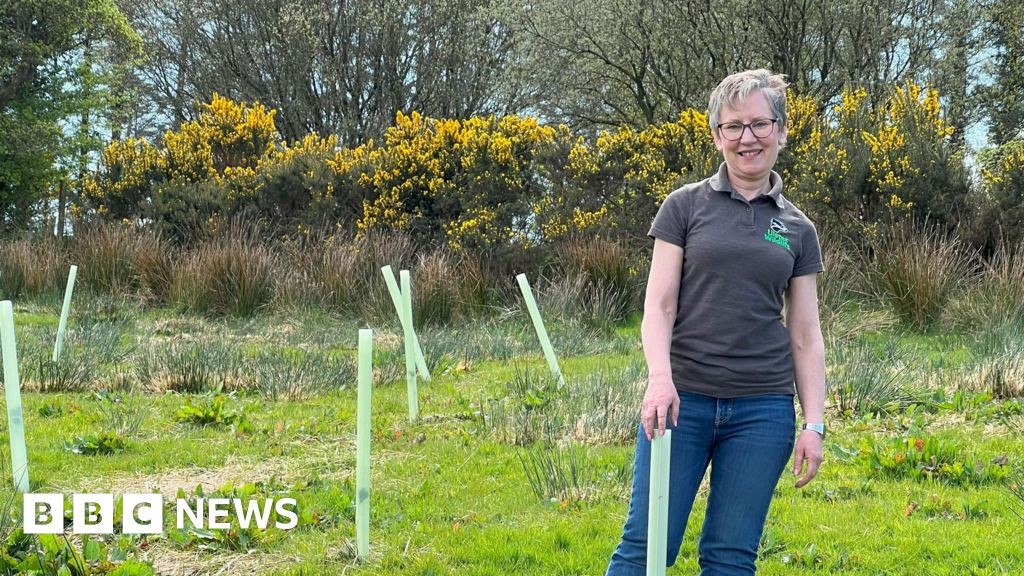
At Lenamore Wood near Gortin, 41 acres are being reclaimed. Nearly 30,000 Irish-native trees—oak, alder, rowan—are already in the ground. Planted in February and March 2016. Wait. 2024. The timeline shifts.
The cost? High. But Aviva is covering about £38 million toward rainforest restoration across the UK. Money talks.
You won’t see much change for a year. Tips poking through plastic tubes. Full growth? That takes a century.
Rosemary Mulholland runs nature recovery at Ulster Wildlife. She knows she will never see the finished forest. Does it hurt?
“It is sad, but in a ways it’s a great privilege… to take this land and turn into a habitat that is now largely.”
It is a legacy play. For trees, time moves differently.
What is this “forest” anyway?
John Martin, director of the Woodland Trust NI, says think native. Oak, birch, alder, hazel.
Humidity. Lots of it.
Mosses cling to rocks. Lichens paint the bark. The structure is complex, full of ravines and rivers. It needs mild temperatures and a serious ocean influence.
These places do the heavy lifting. They store carbon. They protect biodiversity. Without them, the ecosystem shudders.
Why did we let it die?
It wasn’t always empty.
After the last Ice Age, Ireland filled with trees. By 9,000 BC, most of the island wore a dense wood coat.
Oak. Elm. Pine. It functioned like a rainforest, especially in the wet west.
Then humans showed up. Neolithic farmers arrived around 6,000–3,000 BC. They cleared land. Crops needed space. Grazing animals ate the sprouts. Regeneration stopped.
But the real blow came later.
The 16th through 19th centuries. A “critical collapse.” Towns rose. Forests fell. The damage was severe and sustained.
Eoghan Dalton sees this daily. He is on the Beara Peninsula, Cork. 73 acres facing the Atlantic. Skellig Islands on the horizon.
He sold his Dublin house in 2004. Now he rewilds.
Why? His farm was wrecked by feral goats. They ate every seedling. No trees. No future.
He wanted a life closer to nature for his two sons. Now it’s his life’s work.
Betting against our survival?
Dalton isn’t just planting trees. He is arguing for survival.
“By removing them… we’re threatening our own.”
He calls it “ecosystem erasure.” A global catastrophe.
He believes the threat to nature is the threat to humanity. Simple equation. Broken habitat leads to broken us.
The watch begins
At Lenamore Wood, eyes will be watching.
Fixed-point photography. A phone cradle with a QR code. You stand there, take the shot, send it in. Decades later, the image stacks up. Change becomes visible.
Birds will be surveyed. Butterflies counted. Moths trapped. Remote sensors listen for bats at night.
A car park will come. Later.
For now, you can walk in. See the plastic tubes. Watch the tiny oak shoots struggle through the soil.
It is slow work. It takes generations. Maybe hundreds of years for the canopy to close.
Who will see it finished? Probably not you.
And that’s okay.
The forest remembers how to grow. We just have to step out of the way. 🌲