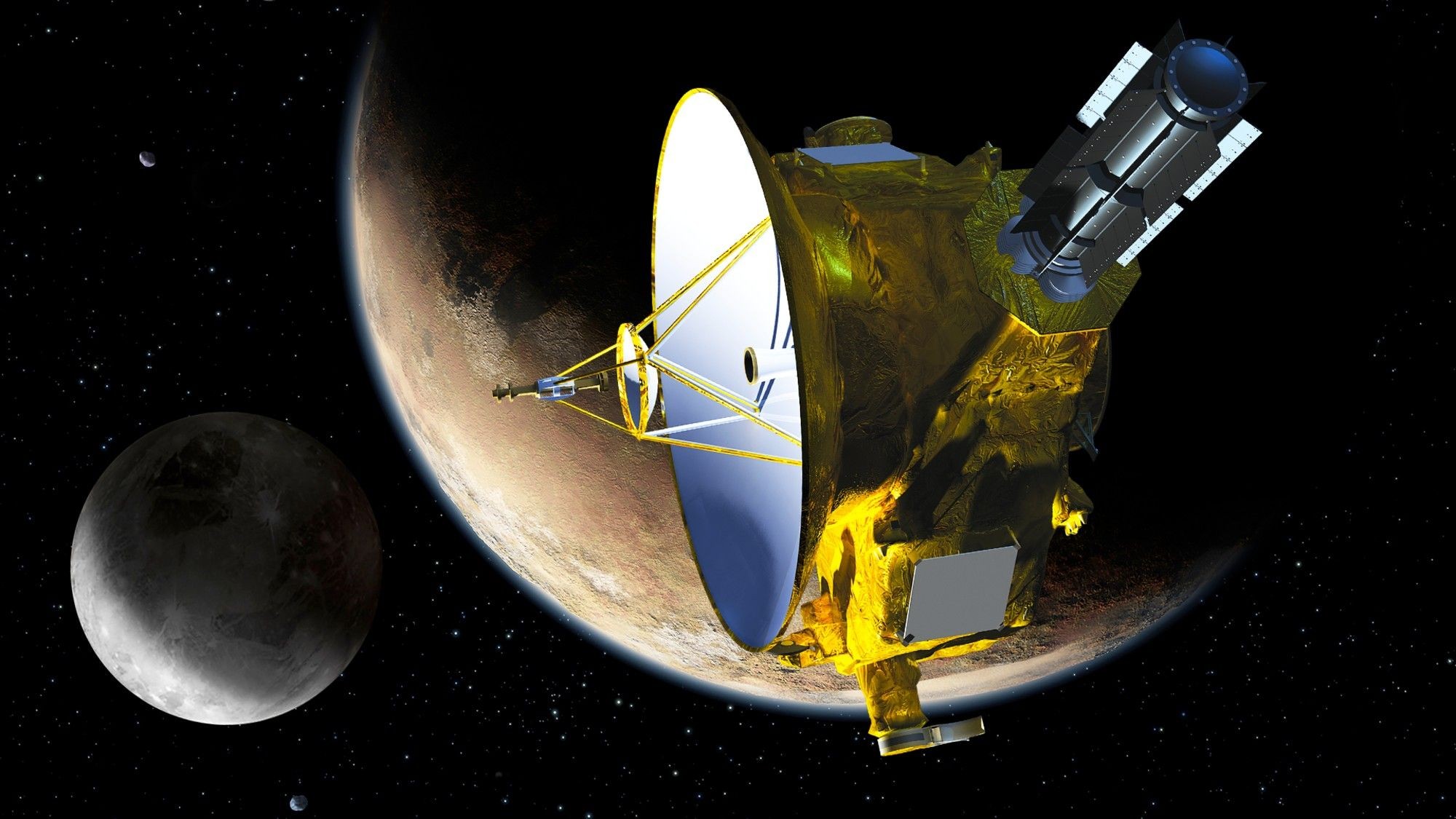
Six billion miles away. Past Pluto. Past the noise. NASA’s New Horizons just blinked back to life after a year of sleep. It wasn’t just napping, though. The probe has been lurking in the dark, collecting data while the rest of its systems stayed dormant to save power.
“Every status report was green,” said Alice Bowman, mission operations manager. She wasn’t guessing. Every single week showed the spacecraft was fine.
That’s comforting, probably. But let’s look at the math. It took roughly nine hours for a radio signal to tell us it’s alive. Nine hours for a ping to cross 9.5 billion kilometers. The silence between Earth and this tiny metal eye is staggering. Now it’s talking. Sending down 321 days of data from the void.
It’s a long way out. Since its 2015 flyby of Pluto—and that close shave with the snowman-shaped world Arrokoth four years later—New Horizons has been riding shotgun into the unknown. It’s probing the Kuiper Belt. That frozen ring of debris orbiting past Neptune. The place where things get cold. Really cold.
Three weeks out, it starts a new job. Studying hydrogen.
This isn’t about mapping rocks. It’s about the edge. The termination shock. The place where the solar wind runs out of steam and meets interstellar space. Only the Voyagers have been there, really. But they’re old tech. Rough edges. New Horizons brings better tools. Sensitive eyes. Maybe we finally see what happens when the sun’s influence dies.
Maybe.
The probe speeds away at 300 million miles a year.
It doesn’t care if we’re watching. It just keeps going. Into the dark.