Three minutes. That is it.
Most people still wait ten minutes for their gas grills or twenty for charcoal, watching the briquettes turn white while the sun beats down. Infrared grills don’t work that way. They hit top temperature in three to five minutes.
But does that speed actually kill the bacteria?
The heat itself isn’t the sterilization event. The cooking process is. Infrared elements run hot—two to three times hotter than standard grates. This intensity slashes cooking times in half. A medium-rare steak lands on the plate in five minutes. A chicken breast finishes in ten.
The bacteria die because you hit the right internal temperature, not because you preheated the grill for an hour.
Safe internal temperatures for infrared grilling
The U.S. Department of Agriculture keeps the rules strict. You aren’t guessing. You are measuring.
- Whole poultry: 180°F (82°C)
- Ground poultry: 165°F (73°C)
- Pork, ground veal, ground beef: 160°F (71°C)
- Roasts, chops, steaks: 145°F (62°C)
Richard Wachtel, founder of Grilling with Rich, says the answer is simple. Use a thermometer.
“The best way to measure the internal temperatures of foods on an infrared grill is using a thermometer.”
Probe-style digital thermometers cost less than $20. They are everywhere. Stop eyeballing it.
Why infrared burns food faster than you think
Here is the trap.
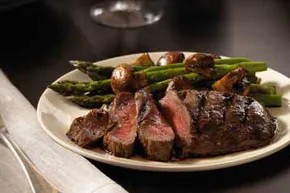
You think you are cooking a steak. You are actually cooking asparagus. The infrared surface radiates heat directly. There is no buffer. A 2-inch tenderloin needs five minutes to sear. Asparagus needs one or two.
If you treat the grill like a standard gas unit, you will burn through the food. The high heat sears the outside instantly while the inside stays raw. Or it turns to charcoal. Watch it. Seriously. Keep your eyes on the meat.
Learning to cook on infrared takes practice. You have a library of cookbooks? Good. They won’t save you if you aren’t paying attention.
The real cost of an infrared grill isn’t the purchase price. It is the maintenance. You spent hundreds or thousands on the unit. Now you have to care for it.