It’s going to be messy. NASA’s next mission, Artemis III, involves four astronauts, three different spacecraft, and roughly two weeks of orbital gymnastics that make Apollo look like a commute.
If the plan holds, we’ll see the first crewed NASA flight to rendezvous with and dock with two separate, crew-capable landers. It sounds simple on paper. It’s not. This mission is a stress test for everything coming after.
The Choreography of Chaos
Artemis III isn’t about touching down. It’s about proving the handoff works. The Orion spacecraft, launched on NASA’s SLS rocket, will park in Earth orbit. There, it will meet two commercial landers: SpaceX’s Starship and Blue Origin’s Blue Moon.
The goal is a complex dance. Orion docks with Blue Moon. Then it undocks. Then it finds Starship. Then it comes home.
“Artemis III will be a highly choreated dance with a demanding launch sequence,” said Artemis Program Manager Jeremy Parsons. One wrong step and the whole thing unravels.
Only one mission in history has pulled off the rendezvous-with-multiple-spacecraft stunt: the 1986 Soyuz T-15. That cosmonaut visited Salyut 7, then flew to Mir. America tried with Gemini 10, but that didn’t dock with the second probe. Shuttle missions did some satellite grabs, but nothing required this level of multi-launch-vehicle coordination.
Artemis III needs it. The landers launch on different rockets, from different pads, across different agencies. Blue Origin’s New Glenn launches from Cape Canaveral. NASA’s SLS lifts off from Kennedy. SpaceX’s Starship? Maybe Kennedy. Maybe Cape. We don’t know yet.
Blue Moon Takes the Lead
Blue Origin’s lander goes first. The Blue Moon Mark 2 (Mk) sits in orbit for up to 30 days. That’s plenty of time to check its systems, confirm functionality, and make sure it doesn’t blow up before the crew arrives.
Why so much lead time? Because the landers aren’t the final versions. They’re prototypes. Blue Origin has been working toward a certified lunar lander, but the Mk 1 demo mission faced setbacks. A New Glenn rocket exploded during an engine test in May. CEO Dave Limp says repairs are underway and flight might resume by late 2026, but the Mk 1 uncrewed landing is critical for NASA certification. No uncrewed touchdown means no crewed landing. Period.
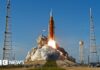
Orion launches second, lifting off from Kennedy’s Complex 39B. It finds Blue Moon in Low Earth Orbit. Docking. Staying there for two days. Testing environmental controls. Avionics. Interoperability.
And yes, they’re testing spacesuits. A test article EVA suit launches with the Blue Moon. Engineers want data on how the suit interacts inside the cramped cabin before anyone walks on the Moon.
Starship Joins Late
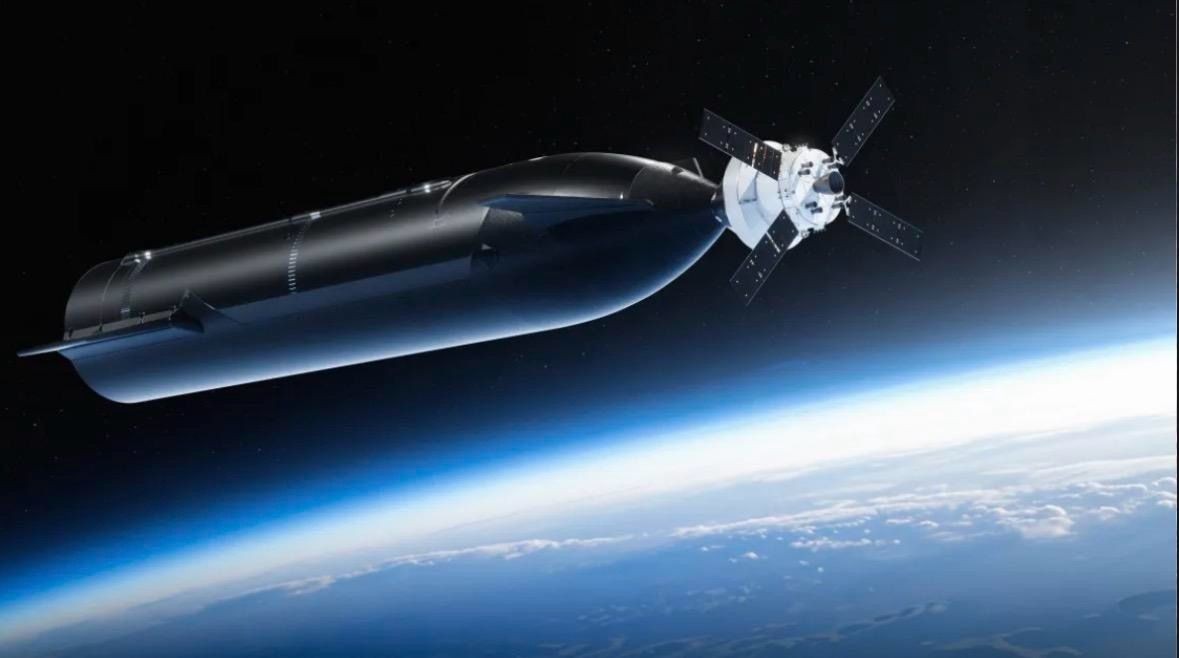
Starship launches last. After Orion undocks from Blue Moon and re-docks with Starship, the fun begins. Or the testing phase begins, anyway.
SpaceX is currently building two Starship towers in Florida. One at KSC’s 39A. Another at SLC-37. NASA hasn’t said which pad Artemis III will use. Yet.
Starship Flight-12 introduced Version 3 (V3). That’s the design coming to Artemis III. It’s not ready for people. The V3 lacks a crew cabin. Instead, Orion and Starship test comms and maneuvering. They check out the docking adapter.
But V3 has real lunar hardware. It includes docking ports for propellant transfers. Starship needs refueling to go beyond low Earth Orbit. NASA estimates at least 15 refueling launches for Artemis IV. Cryogenic fuel storage in space is another hurdle both landers must clear before crewed missions are safe.
The Long Road to the Moon
Successful ops with both landers clears the path for Artemis IV. That’s the 2028 mission. It’s currently scheduled for the year 2028, barring delays. Starship is the selected vehicle for the actual lunar landing. The first humans back on the surface in over half a century.
For Artemis III, though, the stakes are purely technical. One launch per lander. Ample window. Orion stays with Starship for about a day. Then undocks. Prepares to come home.
Splashdown. Parachutes. Pacific Ocean off the US West Coast.
Same as Artemis II. Same as Apollo. Just… different hardware. More complex. More risk.
The rocket burns. The capsule separates. Two weeks in orbit stretch into something like a lifetime for the ground crew.
Will the docking locks hold? Will the comms stay open? Will Starship refuel properly in a vacuum?
We’ll see.