The cost of launching a rocket has plummeted 96% since 1940s-era origins. It’s not just a trend. It’s a structural shift.
A new study confirms that launch costs have fallen dramatically over the last six decades. They could fall even further by 2040. But don’t assume it will happen automatically.
Challenges lurk in orbit and in boardrooms. Space debris is mounting. A single company might dominate too heavily. Geopolitics is tightening.
If you’re asking how much does it cost to launch a rocket, the answer used to be astronomical. Today, it’s shrinking fast.
Learning from History: A Flawed Metric
Previous studies missed the mark. They looked at rocket prices but ignored volume. They counted the hardware, not the payload carried over time. This meant their data on average launch costs was inaccurate.
Francesco Nicoli, a study co-author at Politecnico University of Turin, pointed out this blind spot. Ignoring lifetime payload meant missing the real economy of scale.
The new research fixes this. The team built the largest dataset of its kind. They analyzed 4,405 launches spanning 1960 to 25. They tracked more than 330 rocket configurations.
These rockets came from a wide range of nations:
– The United States
– Russia
– China
– India
– Europe (multiple agencies)
– Japan
– Australia
– Brazil
– Israel
– Iran
– South Korea
– Ukraine
This isn’t just US data. It’s global data. And it tells a clear story.
The Numbers Behind the Decline
In 2024 dollars, sending one kilogram (2.2 pounds) to orbit cost $87,023 in the early days. By 2025, that cost dropped to $3,868.
That is a 96% reduction.
The speed of this cost reduction is unmatched in industry history. When the industry’s cumulative payload doubled, the average cost per kilogram dropped by 21.2%.
Compare that to solar panels. Solar is the benchmark for tech cost reduction. Yet the space launch industry learns faster. Alessio Terzi, a co-author from the University of Cambridge, highlighted this disparity. Space is beating photovoltaics on cost-curves.
Two Engines Driving Costs Down
Why the crash in price? Two main drivers.
First, the end of the Cold War. The shift to “New Space” changed everything. During the Cold War, nations launched national rockets regardless of cost. National prestige outweighed efficiency. Commercial purposes accelerated learning. Profit motives forced innovation.
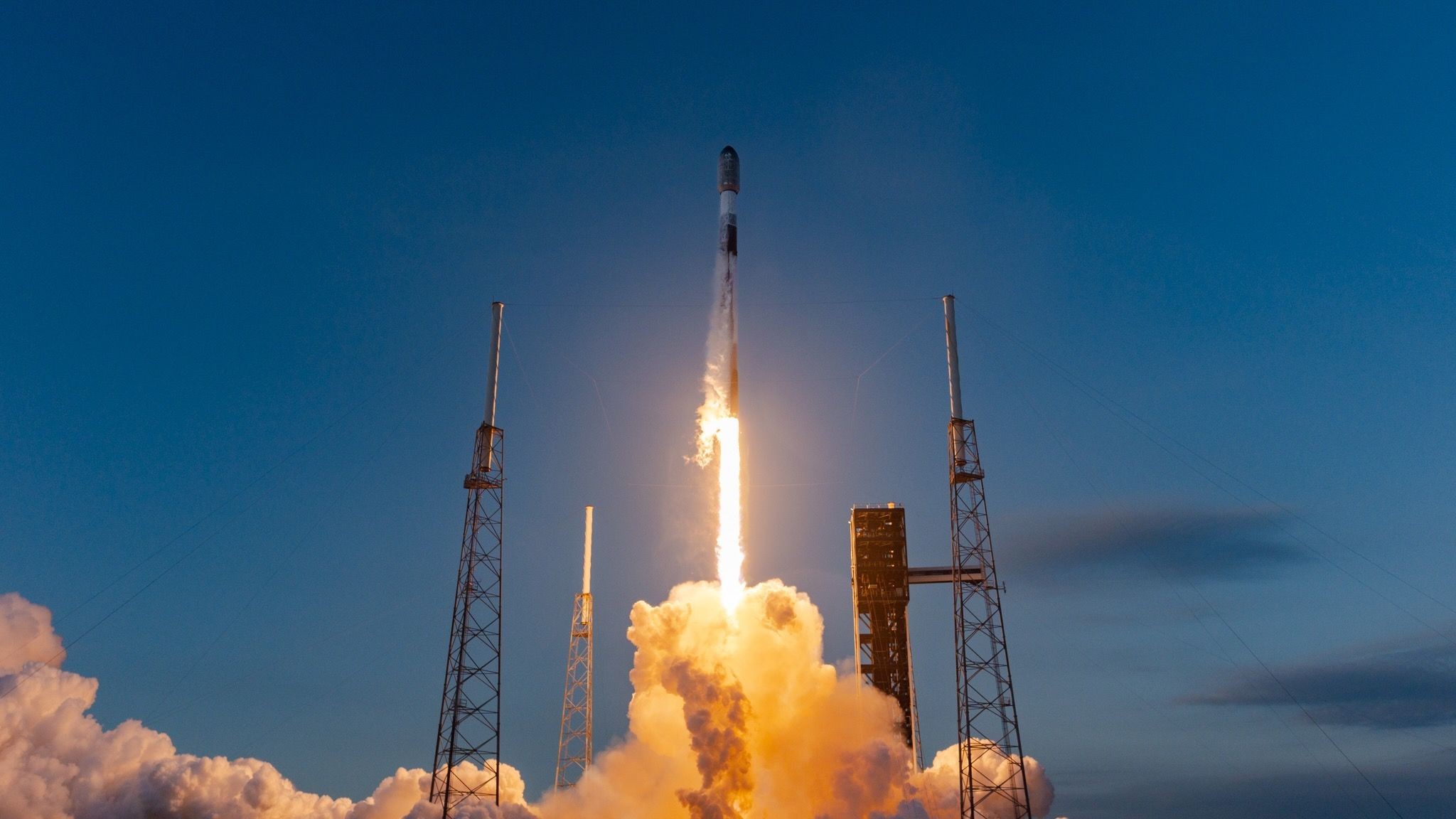
Second, reusable rockets. Specifically, SpaceX’s Falcon 9.
“Our data shows an acceleration in the learning rate… since the launch of the Falcon 9 and the advent of reusability at large scale.”
— Alessio Terzi
Reusability isn’t a gimmick. It’s a cost multiplier. It allows the industry to treat rockets like airplanes rather than single-use firecrackers.
Where Will Prices Go?
Assuming trends hold, the math is brutal for incumbents.
By 2030, the average cost could hit $1,600 per kilogram.
By 2040, it could drop to just $300 per kilogram.
Terzi notes there is “significant scope for further cost reductions.” The bottom hasn’t been seen yet. But predicting a structural break point is dangerous. Past performance guarantees nothing.
Three Threats to the Trajectory
Three factors could stall or reverse this progress.
1. The Kessler Syndrome
Space debris is a growing nightmare. Junk orbits at 16,800 miles per hour. At that speed, a bolt is as deadly as a missile. Collisions create more debris. More debris causes more collisions. This chain reaction is called the “Kessler syndrome.”
Donald Kessler predicted it in 1978 at NASA. Now it’s a practical concern. High-speed shrapnel clutters orbit. It raises insurance premiums. It complicates launch windows. It adds cost.
2. Monopoly Risks
SpaceX currently handles roughly 75% of total global payload. That is a dominant market share.
Monopolies have economic incentives to raise prices. If one company controls access to space, it can charge what the market will bear. Higher prices mean fewer launches. Fewer launches mean less learning. Less learning means slower cost drops.
The industry could stagnate if competition vanishes.
3. Geopolitical Fragmentation
Tensions are rising globally. Governments are nervous about relying on one US company. Security concerns drive policy.
We might see a return to Cold War dynamics. Nations will pursue independent launch capabilities. They will build expensive domestic rockets just to maintain sovereignty. This redundancy is inefficient. It raises costs. It fragments the learning curve.
The Verdict?
We are at a structural break. Space is accelerating. SpaceX’s record-breaking mega-IPO signals a new era of capital and ambition.
But forecasting is hard during breaks in history. Trends can flip.
The cost of access to space is falling. It’s the fastest reduction in industrial history. But debris, monopolies, and politics could slow the descent. The question isn’t if costs will drop. It’s how fast they can go before something breaks.