The Welsh government has officially announced the financial framework for the Sustainable Farming Scheme (SFS). The budget is set to exceed £1 billion over the current Senedd term. This comes three years after Plaid Cymru promised multi-year funding as part of their first 100 days in power to help farmers plan ahead.
The commitment locks in £340 million annually. That figure holds steady until the next election in March 2030.
Farmers have been protesting this scheme since it was introduced earlier this year. The SFS replaced the old EU-style payments based on land area. The new system demands environmental action.
The funding level matches what farms have received since 201.2. That feels like stagnation to many.
Farming and environmental groups want closer to £500 million a year. They argue that’s the real cost of transition. The current amount? It’s barely keeping the lights on.
Ring-Fenced Money and the Universal Layer
The government says this cash is ring-fenced. It won’t bleed into other departments. For the first time, the sector gets certainty.
Farming Minister Llyr Gruffydd calls it a “baseline.” He promises stability in a chaotic market.
How that baseline breaks down is specific:
- £238 million annually goes to the universal layer. This is the entry-level payment. Every participant gets a slice here.
- The remaining £102 million funds optional and collaborative layers. These are for ambitious environmental projects. They cost more but pay out extra.
Is that enough?
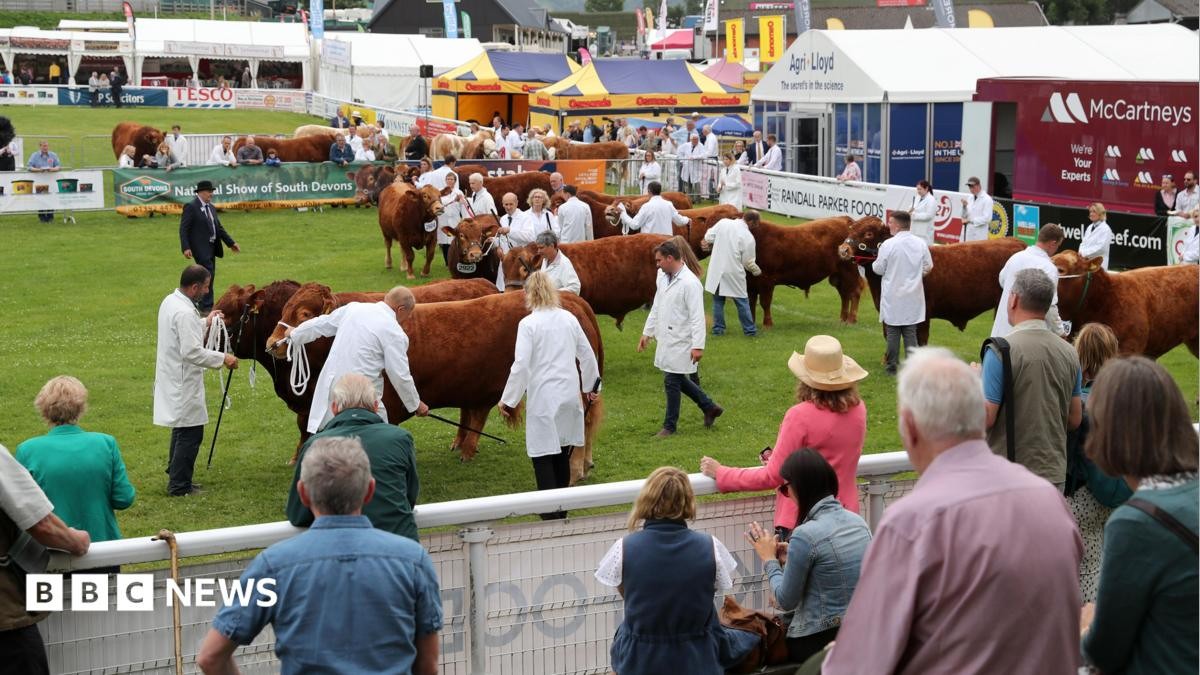
Alwyn Jones, a retired livestock auctioneer from Denbigh, isn’t so sure. He shows his pedigree Welsh Black cattle with pride, but he sees the reality. Costs are up. Everything is dearer. The budget doesn’t stretch as far as it used to.
A three-year plan offers some confidence. Five years would be better. More money would be best. But five years isn’t on the table right now.
The Split: Who Is Joining the SFS?
Figures reveal a divided industry. About half the farmers applying this year opted into the SFS. The other half stuck with the legacy regime.
For those who stayed behind, there is a penalty. Their subsidies are being phased out. They are seeing a 40% cut this year. It is a harsh incentive to switch.
Yet, land use tells a different story. The SFS covers more ground.
- SFS participants manage 905,545-hectare landscape.
- Legacy scheme users manage 384,399-hectare.
The new system is gaining traction. It just hasn’t captured everyone.
Caryl Davies, a beef and sheep farm from Pembrokeshire, joined the SFS. She believes farming and nature can coexist. It will improve soil. It will help crops. The multi-year funding gives her the confidence to stay the course.
“If we were still in the EU, we would have a seven-year cycle,” notes Abi Reader, president of NFU Cymru. She welcomes the commitment. She acknowledges the gap between three years and seven. She also admits that a budgetary uplift is unlikely given the current economic climate. It is a real challenge.
Environmental Groups Want Double
The environmental sector is not celebrating. The SFS affects the rivers we swim in. It dictates the wildlife we see. It influences how Welsh communities handle floods and drought.
Rachel Sharp of Wildlife Trusts Wales argues that the future of farming isn’t just policy. It’s survival. She is joined by the RSPB and the National Trust. They called for the budget to be doubled.
“Sticking with the same budget level as before Brexit is disappointing,” Sharp says. She urges ministers to release full details of the optional funding pots. Farmers need clarity. They can’t plan if the rules are vague.
The government has started releasing some details. Organic conversion funding launches at the end of the month. The Soil Association Cymru welcomes it. They call it good news for Welsh food and farming.
Certainty in an Uncertain Time
The protests were real. The skepticism is palpable. But the money is committed.
Minister Gruffydd admits there are no illusions about the financial pressures. Everyone is facing cuts. Everyone is freezing funding elsewhere. But for agriculture, he draws a line in the sand.
“Farmers told us loud and clear they need stability,” Gruffydd says. “That is exactly what we are delivering.”
He pledges to leverage more money if possible. Realistically? This is the guarantee. It’s a baseline. But it’s a baseline that lasts.
For a sector battered by volatility, three years of predictable income is a lifeline. Even if that lifeline is shorter than some would like. Even if it doesn’t quite cover the rising costs of fuel and fertilizer.
The choices made now shape the landscape. Whether the budget is enough to sustain it remains the question hanging over the showground. The money is there. The question is whether it will be enough when the harvest comes.