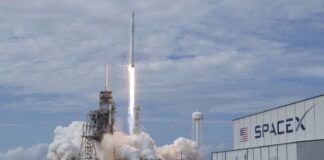
SpaceX isn’t waiting.
After the bruising failure in May, they are back at it. This is the 13th flight. And yes, they’ve fixed some stuff.
New engine patches are on the booster. A revised flip maneuver is loaded into the flight software. Fresh heat shield tiles? Also new. The goal this time is clean. Engineers want the Super Heavy booster to separate in mid-air. Swing around. Fire engines. Splash down gently in the Gulf. Not a explosion. A splash.
“We want to make sure the ground is ready too. We don’t want analysis paralysis.”
— Tim Southerton
The 12th flight was a mess. Botched flips. Engines refusing to restart. This time, they’ve tweaked the sequence that plunks the upper stage into the Indian Ocean too.
But here is the big change. Real satellites.
Not dummy masses. Not brick weights. Twenty actual Starlink V3 birds. Some of them have cameras and sensors. They will watch the rocket burn. They’ll record the heat shield during re-entry. Data.
The launch window is Thursday, July 16. Or close to it. It is just another step in the long grind to make this beast reusable. Elon Musk wants to go to Mars. NASA wants landings on the Moon. You want a workhorse rocket, not a fireworks display.
Southerton said it best. We test fast. We test often. If we wait until every bolt is theoretically perfect, we’ll never launch.
How to Watch
Go to SpaceX.com. Or X.
Musk owns both, so why not use both.
Expect the stream to start about thirty minutes before liftoff. The clock is ticking toward 5:45 p.m. CT on Thursday.
But Starship schedules are fluid. More of a hope than a promise. High winds will pause it. Boats drifting too close to the exclusion zone? Pause it. A valve sticking in the wrong position? Probably another pause.
Once it flies, though, things get weird.
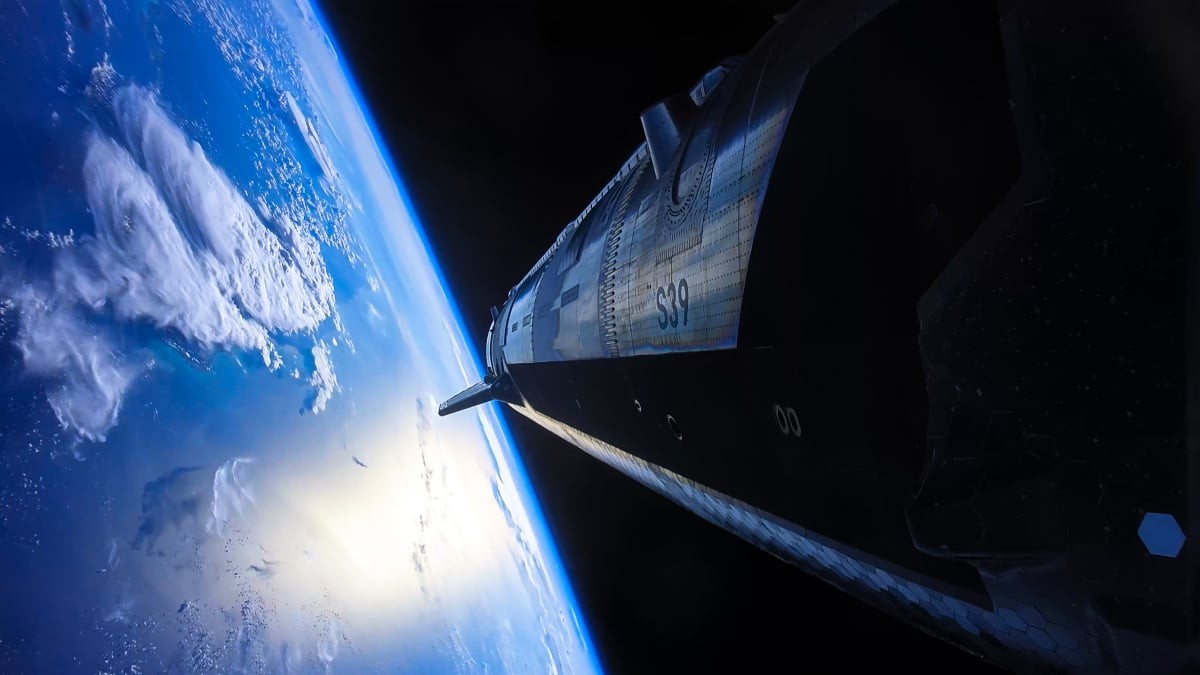
It will act like a deep-space vehicle. Deploy those satellites. Then—this is the tricky part—try to restart just one engine while coasting in space. That’s a skill needed for course corrections. For going to the Moon. For not crashing.
The satellites themselves won’t survive. They’ll separate. Burn up in the atmosphere roughly twenty minutes later. Short lives, but useful data.
While you wait, watch “Critical Path.”
It’s a mini-documentary from SpaceX. Shows the chaos before the last flight. Aborted countdowns. A launch mount arm that refused to retract. A massive tower chain snapping under tension. They had to replace the chain in roughly a day and a half.
Musk appears in the video. Peering over shoulders. Checking consoles. He says almost nothing.
Justin Styer, the launch director, gives an interesting take.
“I’ve never felt pressure from Elon to launch no matter what,” Styer said.
No “hell or high water.” No frantic shouting. Styer claims the founder actually absorbs the information quickly. Understands the stakes. The critical path to Mars isn’t about blowing things up for the sake of it.
Though sometimes, the explosions are hard to avoid. 🚀
We’ll see if Thursday’s attempt is smarter than the last. Or just as loud.